
EVERLASTING and eternal are from the same in the original. “Everlasting punishment,” and not everlasting annihilation, nor everlasting extinction of being, nor everlasting non-existence, is what the Lord threatens. Matt. xxv. 46. At the same time the righteous enter into “life eternal,” the wicked “go away into everlasting punishment.” The original word aionion here is translated, in the common version, “eternal” in one place, and “everlasting” in the other. There is no reason for not translating this word the same way in both places. It means precisely the same in both places. At the same time we repeat, that the righteous enter into “life eternal,” the wicked “go away into eternal punishment.” The same word used by the Lord, in the same sentence to express the duration of the life of the saints, is used to express the duration of the punishment of the wicked. It is as likely that the life of the saints shall terminate, as that the punishment of the wicked shall cease. There is no word in any language that more certainly expresses unlimited duration than this word aionion. It is used to express the duration of the life of the saints, the praises of God, and even the existence of God. A word may be used with less than its full import, but never with more.
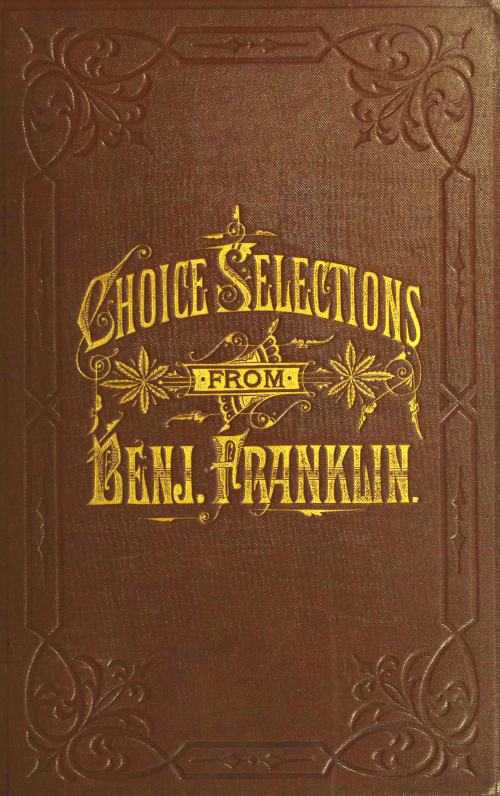
A Book of Gems, or, Choice selections from the writings of Benjamin Franklin
Explore more books like this:
About This Book
A curated anthology of sermons, debates, tracts, and miscellaneous religious writings arranged by subject and indexed for quick reference. Selections treat biblical authority, church order and practices (such as baptism and communion), pastoral responsibilities and preaching, moral exhortation, repentance and salvation, missionary effort, and reflections on life’s brevity. Short homiletic pieces blend doctrinal argument with practical counsel and urgent appeals for immediate personal and communal reform, offering guidance for Christian conduct and for those engaged in ministry or church renewal.