
HOW remarkable the difference between the apostles’ method of producing faith, and that pursued by some modern preachers. The latter class frequently theorize on faith, and the method through which it comes, but the former, understanding his mission more perfectly, first, set forth the things to be believed, and secondly, the witnesses by which God intended to prove them to the world. An august phalanx they are too! consisting of all the prophets and apostles. “They all bear witness of him.” Suppose we could see them standing in a long rank, and among the most distinguished we could see Enoch, Elijah and the venerable Abraham. We could place our eyes upon the great commander of the hosts of the Israel of God, and the mighty law-giver, who feared and trembled, in the midst of thunderings and smoke at Mount Sinai, viz. Moses.—We look again and behold Samuel, Isaiah, Daniel and Ezekiel. Passing the lesser prophets, we behold the commanding face and hear the voice of John the Baptist. Still gazing we behold Peter, James and Paul and last of all the eye rests upon the venerable John. We then pause, and reflect upon the tears, the poverty, nakedness, hunger, thirst, stripes, imprisonments and deaths through which these men passed and inquire what was all this suffering for? The fact re-echoes back upon us in the awful and sublime sentence: “For the word of God and the testimony of Jesus Christ.” Did they thus suffer on this account? They did. Could they have been anything else but faithful men? Surely not. They must have been the most sincere and solemn men the world ever produced: Well could they have been mistaken. Impossible. The things concerning which they bore witness they SAW and HEARD. “We were with him in Jerusalem, in the land of the Jews, and saw him after he rose from the dead.” We say then emphatically that they could not have been insincere nor mistaken, and what they said must have been infallibly true.
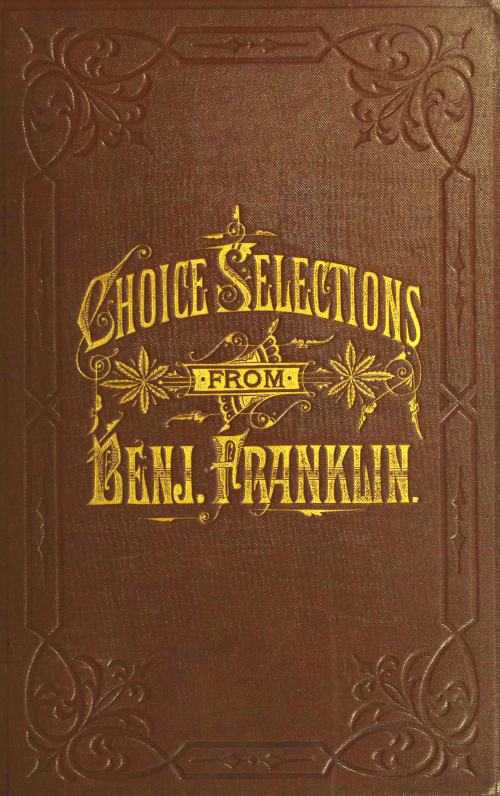
A Book of Gems, or, Choice selections from the writings of Benjamin Franklin
Explore more books like this:
About This Book
A curated anthology of sermons, debates, tracts, and miscellaneous religious writings arranged by subject and indexed for quick reference. Selections treat biblical authority, church order and practices (such as baptism and communion), pastoral responsibilities and preaching, moral exhortation, repentance and salvation, missionary effort, and reflections on life’s brevity. Short homiletic pieces blend doctrinal argument with practical counsel and urgent appeals for immediate personal and communal reform, offering guidance for Christian conduct and for those engaged in ministry or church renewal.