

A Discourse Upon the Origin and the Foundation of the Inequality Among Mankind
Explore more books like this:
About This Book
The author distinguishes natural or physical inequality from moral or political inequality and reconstructs a hypothetical state of nature to trace how social inequality emerges. He critiques earlier writers for importing social assumptions into that original condition and treats his account as conditional reasoning rather than history. The essay follows a sequence in which private property, reciprocal dependence, and the creation of laws and institutions transform basic needs into vested privileges, enabling some to command and others to obey. It contends that many political inequalities are founded on human convention and collective agreements rather than on an immutable law of nature, and that advancing civilization reshapes morals and relations.
About the Author
More Books by This Author
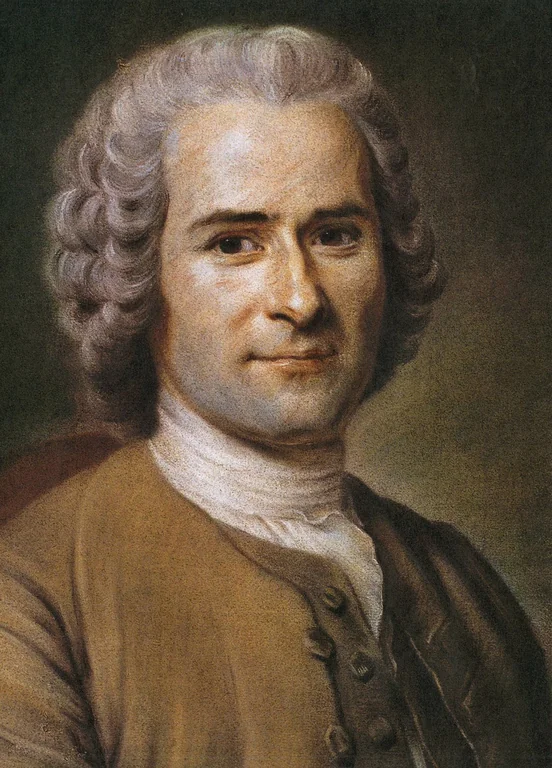
 Egy magános sétáló álmodozásai
by Jean-Jacques Rousseau
Egy magános sétáló álmodozásai
by Jean-Jacques Rousseau
 Eloisa
by Jean-Jacques Rousseau
Eloisa
by Jean-Jacques Rousseau
 Emil, vagy a nevelésről
by Jean-Jacques Rousseau
Emil, vagy a nevelésről
by Jean-Jacques Rousseau
 Emile
by Jean-Jacques Rousseau
Emile
by Jean-Jacques Rousseau
 Les Rêveries du Promeneur Solitaire / Ouvrage faisant suite aux Confessions
by Jean-Jacques Rousseau
Les Rêveries du Promeneur Solitaire / Ouvrage faisant suite aux Confessions
by Jean-Jacques Rousseau
 Quotes and Images From The Confessions of Jean Jacques Rousseau
by Jean-Jacques Rousseau
Quotes and Images From The Confessions of Jean Jacques Rousseau
by Jean-Jacques Rousseau
You May Also Like
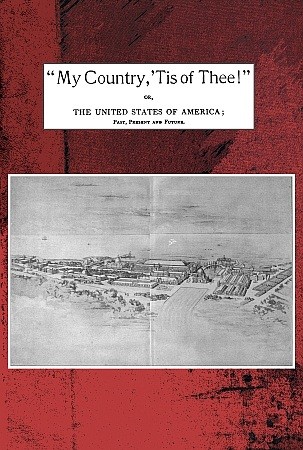 "My country, 'tis of thee!" / Or, the United States of America; past, present and future. A philosophic view of American history and of our present status, to be seen in the Columbian exhibition.
by Willis Fletcher Johnson
"My country, 'tis of thee!" / Or, the United States of America; past, present and future. A philosophic view of American history and of our present status, to be seen in the Columbian exhibition.
by Willis Fletcher Johnson
 "Their Majesties' Servants." Annals of the English Stage (Volume 3 of 3)
by Dr. Doran
"Their Majesties' Servants." Annals of the English Stage (Volume 3 of 3)
by Dr. Doran
 1811 Dictionary of the Vulgar Tongue
by Francis Grose
1811 Dictionary of the Vulgar Tongue
by Francis Grose
 A Beginner's History of Philosophy, Vol. 2: Modern Philosophy
by Herbert Ernest Cushman
A Beginner's History of Philosophy, Vol. 2: Modern Philosophy
by Herbert Ernest Cushman
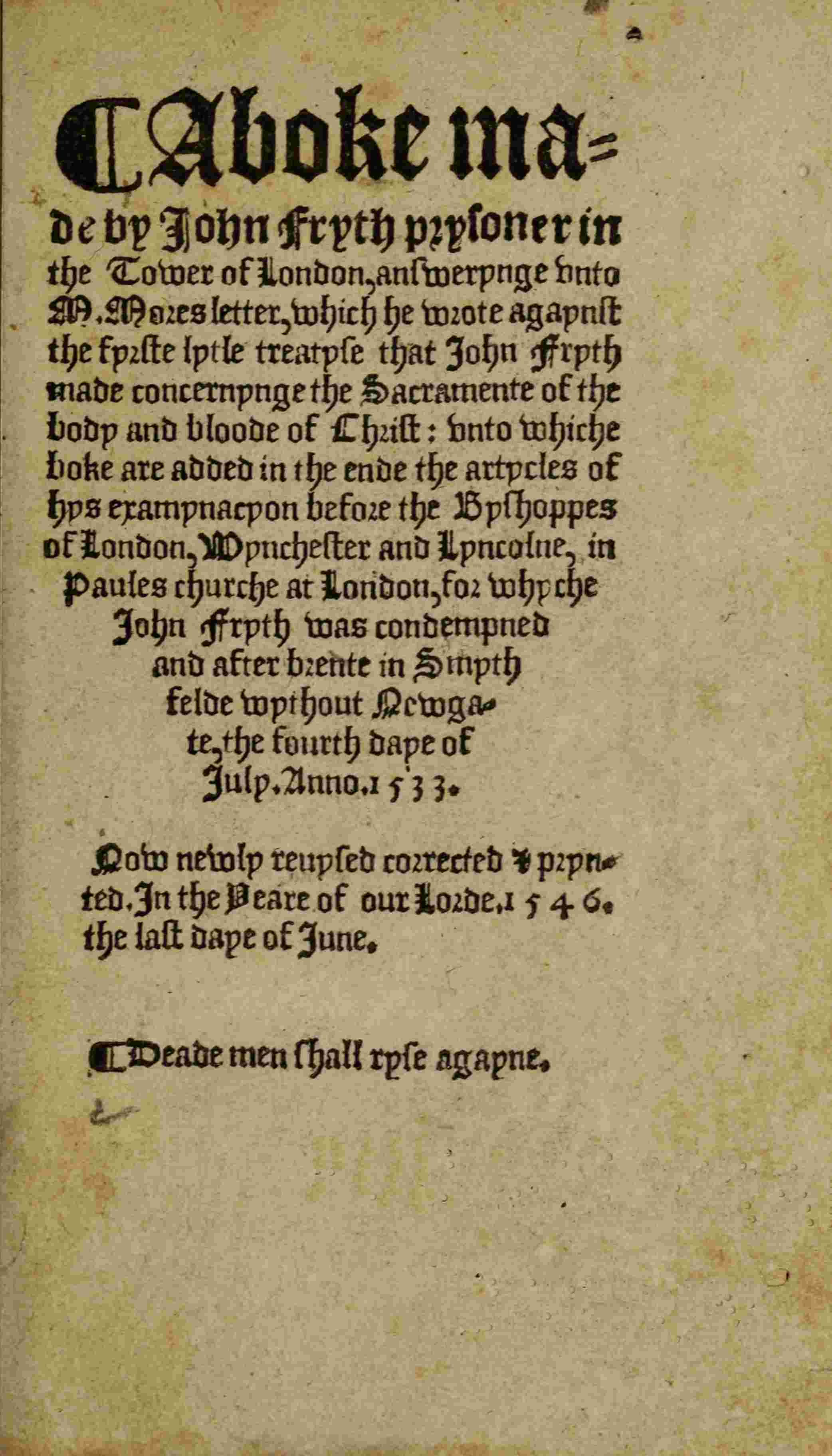 A boke made by John Fryth, prysoner in the Tower of London / answerynge unto M. Mores letter, which he wrote agaynst the fyrste lytle treatyse that John Fryth made, concernynge the sacramente of the body and bloude of Christ
by John Frith
A boke made by John Fryth, prysoner in the Tower of London / answerynge unto M. Mores letter, which he wrote agaynst the fyrste lytle treatyse that John Fryth made, concernynge the sacramente of the body and bloude of Christ
by John Frith
 A Brief Account of the Destruction of the Indies / Or, a faithful NARRATIVE OF THE Horrid and Unexampled Massacres, Butcheries, and all manner of Cruelties, that Hell and Malice could invent, committed by the Popish Spanish Party on the inhabitants of West-India, TOGETHER With the Devastations of several Kingdoms in America by Fire and Sword, for the space of Forty and Two Years, from the time of its first Discovery by them.
by Bartolomé de las Casas
A Brief Account of the Destruction of the Indies / Or, a faithful NARRATIVE OF THE Horrid and Unexampled Massacres, Butcheries, and all manner of Cruelties, that Hell and Malice could invent, committed by the Popish Spanish Party on the inhabitants of West-India, TOGETHER With the Devastations of several Kingdoms in America by Fire and Sword, for the space of Forty and Two Years, from the time of its first Discovery by them.
by Bartolomé de las Casas