Illustrations.
| PAGE | ||
| “‘You’d do well to come out here, Aunt Martha’” | Frontispiece | 1 |
| “‘It is plain to see why you like to come to market’” | 30 | |
| “‘Come on,’ she yelled” | 123 | |
| “‘What yuh doin’ hyar dis time o’ night?’” | 185 | |
| “‘How he has grown!’” | 248 |
 WeRead
Powered by ReaderPub
WeRead
Powered by ReaderPub
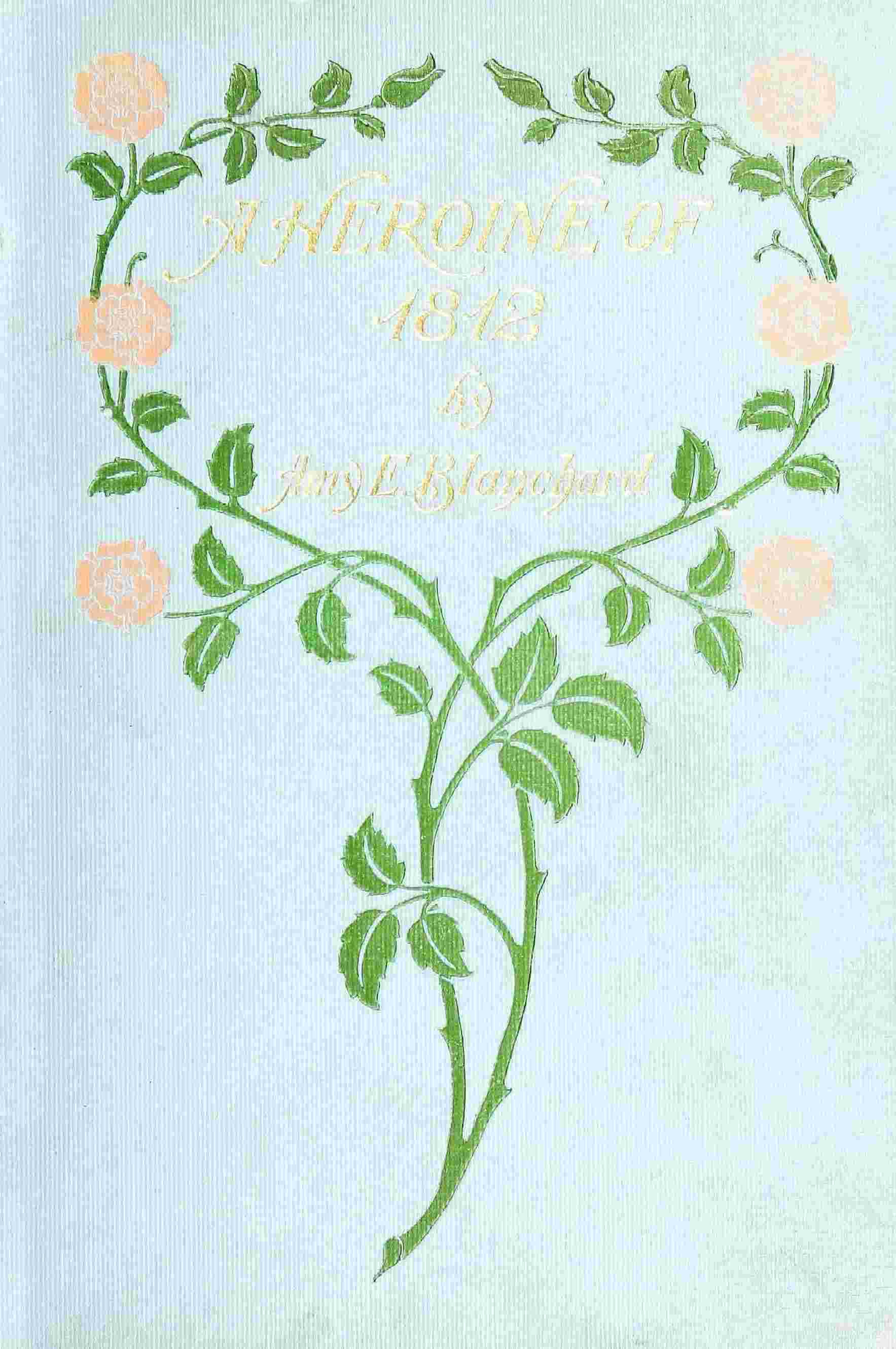
The narrative follows a young woman living in a busy coastal town during an early nineteenth-century war, as military pressures and maritime impressment unsettle her community. Local incidents — a mob, market scenes, social gatherings such as barn frolics and balls — mingle with personal concerns of captured seamen, interrupted duels, and daring escapes. Romantic feelings develop amid political debate and suspicions, testing loyalties between neighbors and suitors. A prolonged night of bombardment and its aftermath crystallize themes of courage, communal resilience, and the uneasy intersection of private life and public conflict, concluding with a domestic gesture that affirms hope.
| PAGE | ||
| “‘You’d do well to come out here, Aunt Martha’” | Frontispiece | 1 |
| “‘It is plain to see why you like to come to market’” | 30 | |
| “‘Come on,’ she yelled” | 123 | |
| “‘What yuh doin’ hyar dis time o’ night?’” | 185 | |
| “‘How he has grown!’” | 248 |