
INDEX
- Abbey, Edwin, 289
- Academy, Royal
- Foundation of, 258, 261
- Schools, 289, 290, 294
- Medals, 261, 289, 291, 294, 302
- Exhibits at, 297, 299, 301
- Accademia delle Belle Arti, 204
- Achæan League, 108
- Acropolis at Athens, 12, 27, 77, 260
- At Pergamus, 91
- Ægospotami, 47, 194
- Æschylus, 8, 194
- Ætolian League, 109
- “Africa,” by Theed, 285
- Agasias, 69
- Agatharchus, painter, 56
- Ageladas, 23
- “Age of Brass,” by Rodin, 273, 275
- Agesander, 94
- “Agias” of Lysippus, 73
- Agostino di Duccio, 186
- “Agriculture,” by Thornycroft (the elder), 285
- Alaric, 139
- Albert Memorial, 284, 285
- Alcamenes, 36, 50
- “Pentathlon Winner” of, 23
- Alcibiades, 56
- Alexander the Great, 66
- Portrait by Lysippus, 78
- Alexander of Pheræ, 66
- Alexandria, sculpture of, 97, 98
- “The Nile,” 97, 98
- Conquest by Rome, 116
- Alexandrian Empire, 84, 85
- Allée d’Eau at Versailles, 239
- Altar of Zeus. See Zeus
- Aluminium, 296
- Aldenham School
- Alfred Gilbert at, 294
- Amboise, Cardinal of, 228
- American sculpture. See Preface
- Amphion, 97
- Anet, Castle of, 230
- Angelico, Fra, 165, 184
- Angelo. See Michael Angelo
- Angers, David d’, 265
- Anne of Brittany, 226
- Antigonus, 86
- Antinopolis, 137
- Antinous, 137, 138
- Antioch, on the Orontes, 86, 87
- Antiochus IV., 88
- Antipater, 86
- Apamea, City of, 87
- Aphrodite
- Hellenistic conception of, 111
- “Aphrodite of Cnidus,” 61-64, 96, 228
- Comparison with “Venus of Medici,” 112
- Compared with Canova’s “Venus,” 249, 250
- Apollo
- Type fixed by Praxiteles, 57
- “Apollo Belvedere,” 105, 108, 228
- Count Stroganoff’s statuette, 106-107
- Comparison with Pergamene style, 107
- Popularity in eighteenth century, 248
- “Apollo and Daphne” by Bernini, 218
- “Apollo and the Nymphs,” by Girardon, 237-239
- “Apoxyomenus” of Lysippus, 68-70, 74, 75
- Ara Pacis, of Augustus, 130
- Aratus, 108
- Archaistic art, 12, 122
- Architecture, 12, 29, 145, 146, 149, 152, 198, 222
- “Ares Ludovisi,” 71
- Argos, 108
- Second to Athens as an artistic centre, 22, 31
- “Ariadne” in Vatican, 228
- Aristogiton, 13
- Aristonidas of Rhodes, 103
- Armourers, Guild of, Florence, 172
- Armstead, H. H., 284, 285
- Artemesia, 48, 49
- “Artemis of Versailles,” 106
- Asceticism
- In Gothic art, 152
- In Italian Renaissance, 165, 173, 177
- In French sculpture, 231
- “Asclepius,” British Museum, 42
- “Asia,” by Foley, 285
- Aspasia, 60
- Assisi, Francis of, 156-157, 161
- Assisi, Upper Church at, 157
- “Athamas,” Statue by Aristonidas, 103
- Athena, 27
- Polias, 30
- Parthenos, 8, 28-32, 35, 119
- “Lemnian Athena,” of Phidias, 77
- “Triumph of Athena,” at Pergamus, 92, 112
- Athenodorus, 94
- Athens, 8, 22, 44, 77, 84
- Influence of Ionia, 11, 12
- Painted dedicatory statues from Acropolis, 12-13
- Superiority over Dorian School, 22-24
- Effects of Persian invasion, 25, 28
- Parthenon, 27-33
- Decline of Empire, 44-49
- “Athens, the school of Hellas,” 47, 48
- Ceramicus at, 54-55
- Growth of individualism in, 53-56
- Women in, 58-60, 110-112
- Historical circumstances (362-338 b.c.), 66-68
- Influence upon Alexandrian Empire, 84, 85
- In Hellenistic times, 101-102, 114
- Plundered by Sulla, 119
- Visited by Roman Republicans, 118
- Rebuilt, by Hadrian, 137, 138
- Athens Museum, 12, 13, 103
- “Athlete struggling with Python,” by Leighton, 281, 287, 288, 293
- Athletic statuary
- Influence upon Hellenic art, 14-24, 169
- In fourth century, 67-69
- Attalus I., 91
- Augustus Cæsar, 124, 131
- Augustan Rome last Hellenistic centre, 127
- “Organiser of Roman Imperialism,” 124, 125, 129, 130
- Statue of, in Vatican, 125, 127, 128
- Ara Pacis of, 130
- Aurelius, Marcus
- Equestrian statue of, 139
- German invasion under, 139
- Austrian ascendency in Italy, 200, 218
- Autobiography of Cellini, 203, 204, 205-209, 228-229
- Avila, Convent of St. Joseph, 217
- Babou de la Bourdaisière, 225
- Babylonia, 7, 11, 35, 266
- Baily, E. H., 284
- Banks, Thomas, 284
- Baptistery at Florence, 162, 199, 275
- Barbara, St., 297
- Barberini Maffeo, 214
- Bargello, 173, 210
- Baroco style. Also see Bernini, 216
- Barye, 265, 267, 301
- “Centaur and Lapith,” 266
- Bates, Harry, 288, 290, 302
- “Pandora,” 300
- Baudelaire, 275
- Bayeaux, 148
- Bedford, Duke of, 259
- Belgian school, 237, 292, 293
- Bellini, Giovanni, 184
- “Belvedere Apollo.” See Apollo
- Bentivoglio, 181
- Berlin Museum, 92
- Bernini and the Catholic reaction, 198, 200, 212-218
- Rebuilds St. Peter’s, 214
- “St. Teresa,” by, 216-217
- “Apollo and Daphne,” by, 218
- Fountains by, 218
- Visit to France, 235
- Influence upon Puget, 237
- “Birth of Venus,” by Botticelli, 196
- Boehm, Sir Edgar, 294
- Boethus of Chalcedon, 115
- Bologna, 181
- Bologna, Giovanni, 198, 200, 203, 218
- “Mercury,” by, 210
- “Rape of Sabine Women,” by, 211
- Influence upon French School, 211
- Characteristics of his art, 210-212
- Bontemps, 227
- Borghese, Pauline, 249-250
- Borgia, Cæsar, 200
- Borgia, Francis, 215
- Boscoreale, 115
- Botticelli, 184, 187, 196, 222, 232
- Boucher, 243
- Bourges, 148, 150
- “Boy strangling Goose,” 115
- Brennus, 106
- British Museum, 77, 230, 258
- British school, 256-262, 280-302
- Northern art, characteristics of, 221-224
- Italian influence in sixteenth century, 256-257
- Historical circumstances during seventeenth and eighteenth centuries,257, 258
- Society of Dilettanti, 258-260
- Pseudo-Greek canon, effects of, 260-262, 281, 293
- Mid-Victorian, 283-285
- Comparison with French, 257, 280, 281, 293
- Naturalistic revival, 285-293
- Growth of individualism, 293-302
- Brock, Thomas, 290, 293
- “Eve,” 290
- Victoria Memorial, 290
- Bronze, 24, 103, 105, 120, 121
- Compared with marble, 68
- Original Greek, 102, 115, 121
- Casting of Cellini’s “Perseus,” 205-209
- Brotherhood of San Michele, 171
- Brunelleschi, Filippo, 163, 173
- Bruni d’Arezzo, Leonardo, 166
- “Bruno, St.” by Houdon, 244
- Buonarroti, Ludovico, 185
- Burlington House, 282
- Byron, 89, 266
- Byzantine art, 140, 141, 155
- Cæsar, Julius, 119
- Founder of Roman Imperialism, 124, 129
- Portrait bust, 125, 126, 130
- Calydonian boar, 72
- Canova, 244-256, 262
- His Hellenism compared with Donatello’s, 174
- A borrowed Hellenism, 247, 254, 262, 281
- “Cupid and Psyche,” 249
- “Pauline Borghese,” 249, 250
- Napoleon, statue of, 250
- Flaxman compared with, 261, 262
- French School, influence on, 263, 271
- British School, influence on, 281-284
- “Cantoria,” by Luca della Robbia, 178, 179
- By Donatella, 178
- Caracalla, Baths of, 97
- Carpeaux, 265, 267, 268, 271, 285
- Art training, 267
- “Flora,” by, 267, 274
- “Dance,” by, 268
- Caraffa, 213
- Carrara marble mines, 154, 191
- Carrier-Belleuse, 273
- Catholic Church
- Attitude of early Church towards sculpture, 140, 141
- Gothic Art, influence on, 146-152, 165
- Italian Platonists, 174
- Patrons of sculptors in fifteenth and sixteenth centuries,
- 190, 191, 199
- Catholic reaction, 198, 200, 212-218
- Historical circumstances, 212-214
- Effect on sculpture, 214-218
- Ideals of, 215-216
- Effect on sculpture, 216-217
- and Puget, 237
- Cella of Parthenon, 29
- Cellini, Benvenuto, 198, 200, 203-210, 218
- Early life, 204
- French visit, 205, 228, 257
- “Perseus,” 205-210
- “Jove,” silver statue of, 229
- Michael Angelo compared with, 210
- “Centaur and Lapith,” by Barye, 266
- Ceramicus, 54, 55
- Cerigotto bronze, 102
- Chæronea, 66, 67
- Chambord, Châteaux of, 227
- “Chant du Départ,” by Rude, 255, 267
- Chantrey, Sir F., 284
- Chantrey Bequest, 288
- Chapu, Henri, 293
- “Charioteer of Delphi,” 14
- Mausoleum, comparison with Delphi Charioteer, 50
- Chares of Lindus, 104
- Charles the Great, 145, 146, 234
- Charles V., 202, 213
- Charles VIII., 225, 228
- Chartres, 148, 150
- Chatsworth, 252
- Chiarmonti, “Daughter of Niobe,” 51
- Child with Lantern, Terme Museum, 115
- Chios, 12
- Christianity
- Attitude towards sculpture, 117, 140, 141, 224
- See also Catholic Church
- Chryselephantine statues, 36, 56
- Athena Parthenos, 28
- Zeus at Olympia, 36
- Hera at Argos, 36
- Asclepius at Epidaurus, 42
- Cimon, 26, 27, 181
- Cipriani, 260
- Cithæron, 97
- City-state system
- Civic pride in fifth-century Greece, 15, 16, 26, 27, 33,
- 41, 108, 153
- Necessity for physical fitness in Greece, 16, 17, 18, 67, 68, 69
- Decline of civic pride, 46, 48, 49, 67
- Political circumstances in fourth century, 46, 47, 67
- Effects on sculpture, 69, 79, 80
- Hellenistic age, 108, 109, 110
- In France, 147, 148
- In Northern Italy, 153, 154, 160, 166, 169, 181, 199, 200, 214
- Clarence, Duke of, 297
- Clarence Memorial, Windsor, 297-299
- Clement VII., 191, 192
- Clement XIII., 244
- Clermont, 147
- Clodion (Claude, François Michel), 243
- Cluet, Jean, 225
- Cluny Museum, 243
- Cnidus. See Praxiteles’ Aphrodite
- Cockerell, C. R., 50
- Colbert, 235, 236
- Colleoni Monument, by Verocchio and Leopardi, 139, 180
- Collignon, Maxime, 129
- Colombe, Michel
- Tomb of Francis II. of Brittany, 225
- Founder of School of Tours, 225
- Colossus at Rhodes, 104
- Colour in statuary
- Athenian dedicatory, 13
- Parthenon, 29
- Mausoleum, 50
- Aphrodite of Cnidus, 62
- Sidon Sarcophagi, 76
- “Augustus” in Vatican, 127, 128
- Collignon’s “Polychromie dans la Sculpture Grecque,” 129
- Evidence from wall paintings at Pompeii and Herculaneum, 129
- “Tinted Venus,” by Gibson, 282
- Commune, 272
- Company of Jesus. See Jesuits
- Condé, Hotel de, 235
- Condivi, 188-189
- Congreve, 114
- Constable de Bourbon, 204
- Constantine, 140
- Constantinople, 76, 140
- Convent of St. Paul, Parma, 195
- Copenhagen, 251
- Corinth, 119
- Correggio, 184, 195, 222, 277
- Corupedion, Battle of, 86
- Cos, 61
- Cosimo de Medici, 181-182, 192, 201
- Cosimo, Piero di, 187
- Cosmopolitanism, influence of modern, 110, 246, 302
- Council of Trent, 202, 213
- Cour des Comptes, Paris, 275
- Cousin, 227
- “Creation Panel” in Ghiberti’s Baptistery gates, 165
- Cresilas, 77
- Criticism, modern sculptural, 70-76
- Critius, 14
- Crusades, 147, 154
- “Cupid and Psyche,” by Canova, 249
- “Cupid and Psyche,” by Thorvaldsen, 251
- “Cupid, The Winged,” Mr. Pierpont Morgan’s, 115
- Dalou, Jules
- Pierre Puget and, 237
- École des Beaux Arts, 271, 272, 289, 290
- “Triumph of Silenus,” 272
- Rodin, connection with, 271
- Visit to England, 272, 287, 288
- “Maternity” by, 299
- “Danaid, Fallen,” by Rodin, 274
- “Dance,” by Carpeaux, 268
- Dante, influence on Rodin, 275
- Dashwood, Sir Francis, 259
- “David,” by Donatello, 173, 174, 188
- By Michael Angelo, 185-188, 296
- David d’Angers, 265
- David (painter), 253
- “Dawn,” by Michael Angelo, 193, 194, 196, 278
- “Death of Socrates,” 54
- Dedicatory offerings, Greek, 13, 18
- Delacroix, 264, 266
- Delafosse, 239
- Delphi, 73, 106, 119
- Demetrius, of Alopece, 79
- Demosthenes, 66, 67
- Devonshire, Duke of, 252
- “Dexileus Relief,” 54
- “Diadumenus” of Polyclitus, 22
- “Diana,” archaistic, Naples, 12
- “Diana,” by Houdon, 244
- Diana of Poitiers, 230-231, 232
- Statue of, in Louvre, 230
- Diappus, his “Perixyomenus,” 74, 75
- Dijon, 255
- Diocletian, 140
- Dionysus, Theatre of, 67
- Diploma Gallery, London, 282, 284
- Dirce, 97
- “Discobolus” of Myron, 15, 21, 23
- “Standing Discobolus,” 23
- Donatello, 168-174
- Assists Ghiberti, 164, 168
- Burgher patrons, 169, 170, 199
- Or San Michele, 172
- “St. Mark,” its Gothic character, 172, 173
- “St. George,” 172, 173
- “David,” 173, 188
- Platonism, influence of, 173-176
- Pisani, comparison with, 177, 178
- Cantoria, 178
- Luca della Robbia and, 178
- Rodin, compared with, 278, 279
- Dorchester House, 286
- Dorian invasion, 9
- Dorian sculptors, 22
- See also Polyclitus
- “Doryphorus” of Polyclitus, 22
- Drama, Greek, 8
- Drapery, 31, 152
- Dresden Gallery, 194
- Dubois, Paul, 270, 293
- Duomo at Florence, 187, 195
- Durer, 224
- “Dying Gaul,” 88-93
- Inspired by Gaulish invasion, 89, 90
- Compared with later Pergamene art, 92, 93
- “Dying Jocasta,” 103, 104
- Eastern Empire. See Byzantium
- École des Beaux Arts
- Rude’s opinion, 254
- Influence on French sculpture, 269-272
- Rodin and, 274
- Compared with Royal Academy, 289
- Alfred Gilbert and, 294, 295
- Egypt
- Ancient, 7, 9, 11, 35
- Ptolemaic age, 97, 98
- Hadrian, time of, 137
- “Egyptian Singer,” by Onslow Ford, 300
- Elgin marbles, 30, 31, 260
- Elgin, Thomas, Earl of, 260
- Elusis, Sacred Way to, 54
- Epheboi, 67
- Epidaurus
- Chryselephantine statue of Asclepius at, 42
- “Eros” of Praxiteles, 60
- Of Thespiae, by Praxiteles, 61
- Of Centocelle, 61
- ’Estampe, Madame D., 229
- Este family, 181
- Eumenes II., 91
- Euphranor, 36
- Eutychides of Sicyon, 87
- “Eve,” by Brock, 290, 293
- Exhibitions of 1851 and 1862, 283, 284
- Falconet, Etienne Maurice, 242
- “L’amour Menaçant,” 242, 243
- Falguière, 270
- Falieri, Senator, 249
- “Falling Titan,” by Banks, 284
- “Farnese Bull,” 97
- “Farnese Hercules,” 101, 102
- “Fates, The Three,” from Parthenon pediment, 31, 112
- Feltre, Vittorino of, 174-175
- Ferrara, 160, 181
- Ferruccio, Francesco, 187
- Fireplace, by Alfred Stevens, at Dorchester House, 286
- Flaxman
- Connection with Neo-classical revival, 246, 247, 254, 261, 262
- Early life, 261
- Wedgwood, association with, 261
- “Michael and Satan,” 261
- Homeric illustrations, 262
- Elgin marbles, opinion upon, 260
- Successors of, 281, 284
- “Flora,” by Carpeaux, 267, 274
- Florence
- Struggles between Empire and Papacy, 153
- Rise of city-state system, 153
- Contention between city and city, 160, 169
- Centre of intellectual activity in Italy, 160
- Influence of Pisani upon sculpture, 157, 158, 164
- Increase in trade and wealth, 169
- Burghers’ pride in city, 169
- Florentine guilds, their political influence, 169
- Commissions for Baptistery gates, 162-164, 166, 169
- Or San Michele, Oratory of, 171
- Commissions for statuary on, Or San Michele, 172, 199
- Cathedral, building of, 171
- Luca della Robbia’s “Cantoria,” 178, 179
- Influence of Medici family, 181, 191, 192, 196, 199, 203
- Lorenzo the Magnificent, 182
- State commissions Michael Angelo’s “David,” 185-187
- Siege of, 196
- Extinction of republic, 199
- Loss of liberty, 200, 201
- Decline of burgher class, 201
- Cellini at, 205, 209
- Sends craftsmen to France, 228
- National Museum, 163
- Foley, 284
- “Asia” in Albert Memorial, 285
- “Sir James Outram,” 285
- “Folly,” by Onslow Ford, 300
- Fontenoy, 241
- Ford, Onslow, 290
- “Rowland Hill” competition, 299
- “Henry Irving as Hamlet,” 299
- Statuettes “Folly” and “Egyptian Singer,” 300
- Fontainebleau
- School of, 205
- Palace of, 227-229
- Fountain of the Dragon at Versailles, 238, 239
- Fountain of Innocents, by Goujon, 230
- Fountain of Trevi, by Bernini, 218
- Fouquet, 225
- Frémiet, 301
- Fragonard, 240, 242
- Frampton, George, 290
- Art training, 288, 302
- “Mysteriarch,” 301, 302
- London County Council, connection with, 302
- France
- Northern mysticism, 221-224
- Communal life, rise of, 147
- Cathedrals built by lay guilds, 148
- Catholic Church, influence of, 148
- Cathedrals compared with Greek temples, 148-151
- Italian circumstances more favourable to sculpture, 152, 153
- Refuses anti-Humanistic creed of Reformation, 213, 224
- Italian Renaissance, influence of, 211, 213, 225, 228
- Tours, school of, 225, 226
- Political circumstances after 1515 a.d., 226, 227
- Francis I., “Creator of French Sculpture,” 227-229
- Cellini at Court of Francis I., 205, 228, 229
- Fontainebleau, school of, 205, 229
- Goujon, First French sculptor, 230
- Influence of women upon art, 230-233, 241, 243
- Louis Quatorze, political circumstances under, 234
- Versailles, 234-236, 237-239
- Puget and Louis Quatorze, 236
- Influence of Bernini and Catholic reaction, 237
- Louis Quinze and Louis Seize, 239-245
- Popularity of single figures and statuettes, 240, 242, 243
- Pigalle and Saxe Memorial, 241, 242
- Eighteenth-century sculpture, characteristics of, 243
- Revolution, 253-256
- Pseudo-Hellenic school, 263-264
- Renascence of individualism, 263, 265-268
- Academic sculptors of to-day, 268-272
- Dalou and Rodin, 271-279
- Modern French sculpture compared with British, 280, 281
- Francis I.
- In Italy, 213
- Cellini at court of, 205, 228, 229
- “Creator of French sculpture,” 227, 234
- His buildings, 227-229
- Francis of Assisi
- Love of Nature, 156, 157
- Influence upon Naturalism, 157
- Andrea Pisano, and, 156, 158, 161
- Franciscans compared with Jesuits, 214, 215
- Friedland, 255
- Frieze of Parthenon
- Use of colour, 29
- Panathenaic procession, 30, 31
- Frith, W. S., 288, 302
- Frost, K. T., criticism upon “Apoxyomenus,” 69, 75
- Fürtwangler, Professor
- Upon Stroganoff Bronze, 107
- Upon bust of “Julius Cæsar,” footnote, 125
- Gaillon, Châteaux of, 228
- Gainsborough, 256, 262
- Galérie des Glaces, Versailles, 240
- Gardner, Mr. E. A., 50
- Gardner, Mr. Percy, 73
- “Gate of Hell,” by Rodin, 274-277
- Gaulish invasion
- Of Asia Minor, 90-92, 106
- Of Greece, 106
- Of Rome, 139, 146
- Pergamene art, effects on, 88-93
- Hellenistic art, effects on, 105-108
- “Dying Gaul,” 89
- “Gaul killing his wife,” 89
- Genoa, 153, 154
- “George, St.” by Gilbert, 297, 298
- Gericault, 266
- Germany
- Mysticism in, 221-223
- Protestantism in, 213
- Sculpture after Reformation, 223, 224, 298
- Modern sculpture, preface, 298
- Ghiberti, Lorenzo, 162-173, 184
- Early life and art education, 162
- Baptistery Gates competition, 162-164
- “Gates of Paradise,” 164-168, 275
- Pictorial quality in his art, 165, 167, 172
- Revolt against asceticism, 165, 177, 178
- Donatello compared with, 168, 172
- Or San Michele commissions, 170-173
- “John the Baptist,” 171
- “Saint Matthew,” 172
- Gibbons, Grinling, 257
- Gibson, John
- Visit to Rome, 247, 282
- “Tinted Venus,” 282, 284
- “Hylas and the Nymphs,” 282, 283
- Gibson Gallery, Burlington House, 282, 283
- Gilbert, Alfred, 293-299
- Early life, 294
- Lambeth School of Art, 288, 289
- Royal Academy Schools, 291, 294
- France, visit to, 294, 295
- Florence, visit to, 295
- Shaftesbury Memorial, 295, 296
- Clarence Memorial, 297-299
- “Saint George,” 297, 298
- The Carpeaux and Rodin of British sculpture, 290, 293, 299
- Ginevra, Maria, 207
- Giorgione’s “Venus,” 194
- Giotto
- Andrea Pisano, influence upon, 157, 161
- Ghiberti compared with, 165
- Bernini compared with, 214, 215
- Giovanni de Medici, 181
- Giuliano, Duke of Nemours, tomb of, 192-197
- Girardon, Francis
- Giovanni Bologna, influence upon, 211
- Inspector of Sculpture at Versailles, 237
- Versailles Gardens, 238, 239
- “Apollo and Nymphs,” 237, 238
- “Rape of Proserpine,” 211
- “Fountaine en Pyramide,” 239
- Glycon, 101
- Goethe, 248
- Goldsmithery, influence upon sculpture, 162, 205
- Gonzaga, Family of, 175, 181
- Goscombe John, see John
- Gothic art, 145-154
- Mysticism in Northern Europe, 152, 153, 221-223
- Dates from about 1000 a.d., 145, 146
- Historical circumstances, 146, 147
- Cathedrals, 147, 148
- Compared with Hellenic, 148-153
- Compared with Italian, 152, 153, 177, 178
- Sculpture, 149-151
- Drapery in, 152
- Rodin and, 279
- Goujon, Jean
- Employed by Francis I., 227, 257
- Fountain of the Innocents, 230
- “Diana” from Anet, 230
- Diana of Poitiers, and, 230-233
- Gozzoli, 164
- Græco-Roman style, 116, 118, 120-131, 155, 156
- Grand Prix de Rome, 244, 254, 269
- Greek colonies, 11
- Greek sculpture, see Hellenic and Hellenistic
- Gregory VII., 147
- Gregory XIII., 198
- Guido Reni, worship of Byzantine “Madonna della Guardia,” 10
- Guildhall, 299
- Guilds, Florentine
- Giovanni de Medici, leader of lesser, 181
- Commission Baptistery gates, 162 164, 166, 171
- Commission Or San Michele statuary, 172
- Guinigi, Paolo, 178
- Guise, Hotel de, 235
- Hadrian
- Trajan’s policy, reaction against, 137
- Effect on sculpture, 138
- His buildings, 137
- Athens, visit to, 138
- Antinous and, 137, 138
- Hamdi Bey, 76
- Hamilton, Lady, 232
- Hannibal, 123
- Harmodius, 13
- Statue, by Cretius and Nesiotes, 14
- “Head of Peasant,” by Lanteri, 288
- Heine, 221, 266
- Hellenic age of Greece, 6-80
- Early beginnings, 6-11
- Growth of Naturalism, 11-14
- Effect of athleticism, 14-24, 69
- Effect of religious beliefs, 16, 33-43, 217
- Effect of civic ideals, 15, 16, 32, 33, 109
- Comparison of philosophy with mysticism of North, 221-223
- Persian invasion, 26-28, 91, 106
- The fifth century “The golden age,” 41, 45, 46, 183
- Athens, “The School of Hellas,” 47, 48
- Transition to fourth century, 44-46
- Historical circumstances in fourth century, 46-49, 66-68
- Growth of individualism, 44-49, 53-56, 110
- More passionate note, 49-53
- Home life, 55, 56
- Womanhood, 58-64
- Reaction against fourth-century individualism, 65-69
- Portraiture, 77-80
- Transition to Hellenistic, 80, 83, 84
- Winckelmann upon Hellenism, 248
- Sculpture compared with Bernini’s, 217
- Sculptures compared with Rodin’s, 279
- Hellenistic age of Greece, 97-116
- Definition and comparison with Hellenic, 84, 99-101
- Historical circumstances during, 84-87, 106, 108, 109
- Decline of patriotism, 110
- Growth of individualism, 109, 110
- Comparison with twentieth-century ideals, 110
- Womanhood and home life, 110-113
- Sphere of Greek influence widened, 84, 85
- Absence of artists of first order, 99, 100
- Lesser intensity of motion, 113-116
- Tendency towards theatricalism, 96, 97
- Decline of fine critical faculty, 104
- Growth of allegory, 115
- Followers of Lysippus, 100-104
- Followers of Praxiteles, 105-108
- Conquest by Rome, 116
- Influence upon Roman art, 118, 119
- Henry II. of France, 230
- Tomb by Germain Pilon, 225
- Henry IV. of Germany, 153
- Henry IV. of France, 233, 234
- Henry VII., tomb in Westminster Abbey, 256
- Henry VIII. of England, 256
- Hephaestus, 29, 31
- Hera, 35
- Chryselephantine statue of, by Polyclitus, 36, 38
- “Of Samos, Louvre,” 11
- “Ludovisi,” 41
- “Barberine,” 42
- Heræa of Elis, 17
- Herculaneum, 129
- Hercules
- Type fixed by Lysippus, 101
- Statue at Lansdowne House, 74
- “Farnese,” 101, 102
- “Commodus,” 228
- “Hermaphroditus,” of Praxiteles, 194
- Hermes
- Type fixed by Praxiteles, 57
- “Bearded Hermes,” of fifth century, 57
- “Hermes,” of Praxiteles, 46, 57, 58, 195
- Compared with “Belvedere Apollo,” 107
- Hermitage, 244
- Hetaerae, 59, 60
- Hieron of Syracuse, 14
- Hobbs, 147
- Holbein, 224
- Holland, 222, 281
- Holy Roman Empire, 153
- Home life in Greece
- Sacrificed in fifth century, 55
- In fourth century, 56
- In Hellenistic time, 110
- Homer, 8, 34, 114
- Influence on sculpture, 35, 36, 42
- Flaxman’s Homeric illustrations, 262
- Hope, Thomas, 251
- Houdon, Jean-Antoine
- An eighteenth-century artist, 243, 244
- Visit to Italy, 244
- “Saint Bruno,” 244
- “Diana,” 244
- “Voltaire,” 244, 245
- “Hounds in Leash,” by Harry Bates, 300
- Hugo, Victor, 264, 266
- Humann, Carl, 92
- “Hylas and Nymphs,” by Gibson, 282, 283
- Ictinus, 28, 32
- Idealistic school of Praxiteles contrasted with realistic
- school of Lysippus, 70
- Idrac, Antoine, 270, 293
- “Mercury inventing the Caduceus,” 270
- Ignatius of Loyola, 215, 216
- Ilaria del Carretto, Tomb by Quercia, 178
- “Immaculate Conception,” by Puget, 236-237
- Imperialism
- Failure of, in Athens, 44-49
- Roman, 117-141
- Founded by Julius Cæsar, 129
- Effect on sculpture, 130
- Climax under Trajan, 132-136
- Effect on sculpture, 131, 135, 136
- Reaction under Hadrian, 136
- Effect on sculpture, 138
- Downfall of, 139, 140
- Effect on portraiture, 140
- British, 133-136, 257, 258
- Impressionist sculpture compared with Impressionist painting, 278
- India, 84, 133
- Individualism
- In fifth-century Hellas, 15-17, 109, 110
- Growth of, in fourth century, 44, 49, 55, 56
- Effects on sculpture, 49-53, 54, 55, 69, 75
- In Hellenistic age, 101, 109, 110
- Effects on sculpture, 110-113
- Absent in Roman Empire, 130-132, 136
- In Italian city-states, 176, 177
- Modern individualism, 109, 110, 262, 264
- Effects on French sculpture, 265, 266
- Of Rodin, 273, 279
- Effects on English sculpture, 293, 302
- Innsbruck, 223
- Ionia, 11
- Ipsus, Battle of, 86
- “Irving, Henry, as Hamlet,” by Onslow Ford, 299
- Isis, Temple of, 98
- Italy
- Philosophy compared with Northern mysticism, 152, 153, 221-223
- Circumstances after twelfth century, compared with French, 152-154
- Struggles between Emperor and Pope and city and city, 153, 160
- Pisa, 154-158
- Slow growth of sculpture compared with Greece, 159-160
- All centres of culture assist in moulding Italian Renaissance, 160
- Florence, 161-173, 181, 182
- Platonists, 173-178, 188
- Indebtedness to Greek sculpture, 174, 176
- Individualism in, 176, 177
- Educational ideals, 174, 175
- Status of sculptors compared with Gothic, 177, 187
- The Medici, 181, 182
- Michael Angelo, 183-197
- Catholic Church in fifteenth and sixteenth centuries, 190
- Political circumstances in early sixteenth century, 194-197
- Political circumstances between 1527 and 1580 a.d., 198-203
- Absence of political stability, 200
- Decline in morality, 201
- Cellini, 203-210
- Catholic Reaction, 212-218
- During Austrian ascendency, 200, 218
- Canova, 246-256
- Influence upon France, 228, 237
- Influence upon England, 256, 257
- Ivory, 36, 38
- Jacopo della Quercia. See Quercia
- Jahn, Otto, 128
- “Jason,” by Thorvaldsen, 251
- Jerusalem, capture of, 154
- Jesuits, 213, 215
- “John the Baptist,” by Ghiberti, 171
- John of Douay. See Giovanni da Bologna, 210
- John, Goscombe, 288
- “John, Saint,” by Dubois, 270
- By Rodin, 273, 277
- Joseph’s “Wilberforce,” 284
- Julius II., Tomb of, 189-191
- Juste, Jean, 225, 226
- King Arthur, by Peter Vischer, 223-224
- Kipling, Rudyard,
- Comparison with sculptor of Nerva, 134, 135
- Kneller (painter), 259
- “Kiss, The,” by Rodin, 275, 276
- Lambeaux, Jef. (Belgian sculptor), 237
- Lambeth School of Art, 288, 289
- “L’amour Menaçant,” by Falconet, 242
- Lansdowne House, statue of Heracles, 74
- Lanteri, Professor, 288
- Laocoon Group, 93-97, 228
- “Laocoon” of Lessing, 248
- Lastricali, Alessandro, 207
- Laurion silver mines, 67
- Le Brun, Charles, 237, 240
- Legros, A., 287
- Leighton, Lord, 281, 287
- “Athlete struggling with Python,” 281, 287, 288, 293
- Lemoyne, 242
- Lennox, Charles, Duke of Richmond, 260
- Le Notre, André, 238
- Leopardi, The Colleoni Monument, 180
- Leo X., 97, 190, 192
- Lessing, 248, 255, 260, 282
- Library of Hadrian, 137
- Lichfield Cathedral, 148
- “Lion,” by Barye, in Louvre, 266
- Lippi, Filippino, 187
- Liverpool Walker Art Gallery, 291
- Livia, Villa of, 128
- Loggia dei Lanzi, 187, 202, 209
- Lombardy, 145
- London County Council, 296, 302
- Lorenzo de Medici
- Pericles of Italian Renaissance, 181, 182
- Sculptors at his court, 182, 185, 187, 188
- Medici tombs, 192
- Lorenzo of Urbino, 192
- Tomb in Medici Chapel, 192-197
- Statue by Michael Angelo, 195
- Louis XI., 225
- Louis XII., 227, 228
- Tomb of Jean Juste, 225-226
- Louis XIV.
- Political circumstances under, 233, 234
- Necessity for extreme centralisation, 233, 234
- Building of Versailles, 234, 236, 240
- Gardens of Versailles, 238, 239
- Pierre Puget and, 236, 237
- Marquise de Montespan and, 232, 233
- Louis XV.
- Popularity of single figures and statuettes, 240
- Pigalle and, 241, 242
- Louvre
- Works in, 106, 236, 242, 244, 254, 266, 267
- Preferred by Colbert to Versailles, 235, 236
- Dalou, curator of, 272
- Lovelace, 257
- Luca della Robbia
- Singing Gallery (Cantoria), 178, 179
- “Visitation” at Pistoja, 179
- Humanity of his religion, 179
- Comparison with Donatello, 179
- Relation to Michael Angelo, 184
- Lucca, 154
- Lucian, 36, 79
- Ludovisi Villa, 89-90
- Leubke, Dr., and “Ares Ludovisi,” 72
- Luther, 224
- Luxembourg, works in, 270, 272, 273
- Value to French sculpture, 280, 281
- Lycæan Gymnasium, Athens, 67
- Lycurgus (The Athenian), 66, 67
- Lysimachus, 86, 90
- Lysippus, 65-80
- Historical circumstances of his age, 66-68
- Effect on sculpture, 68, 69
- “Apoxyomenus,” 68-75
- Characteristics of his style, 68, 70-75
- Portraiture of, 77-80
- Portrait of Alexander, 78, 79
- “Ares Ludovisi,” 72
- “Agias,” 73, 74
- “Cerigotto Bronze,” 103
- Hercules, type fixed by, 101
- His preference for bronze, 68
- Followers of, 79, 84, 100, 104, 120
- Lysistratus of Sicyon, 79
- Macedonia. See Alexander
- MacDowell, Patrick, 281, 284
- “Madonna,” by Ugolino, 171
- “Madonna della Guardia,” 10
- Mæcenas, 125
- Malatesta, Signor, 163
- Magliabecchian Library, 162
- Maison Carré at Nîmes, 137
- Mantegna, 184
- Mantinea, Battle of, 66
- Mantua, 174, 175, 181
- Marathon, 26, 28
- Marble
- Copies of bronze originals, 24, 68, 90, 105, 120
- Pentelic, 29
- Praxiteles’ use of, 58
- Bronze preferred by Polyclitus and Lysippus, 68
- In “Dying Gaul,” 90
- Marcus Aurelius, 139
- “Mark, St.,” by Donatello, 172
- Maria della Vittoria, St., 216, 217
- Marius, 124
- “Marseillaise,” by Rude. See Chant du Départ
- Marshall, W. Calder, 284
- “Maternity,” by Dalou, 299
- Matilda, 153
- “Matthew St.,” by Ghiberti, 172
- Mausoleum
- Of Halicarnassus, 48, 49
- “Charioteer,” 50, 74
- Mausolus, statue of, 50
- Maximilian, tomb of, 223-224, 298
- Mazarin, 234
- Mazzini on Italian liberty and art, 200, 201, 218
- Medici Family
- Donatello and, 173
- Relation to Florentine art, 181, 182
- Medici Chapel, 189, 191-197
- Michael Angelo and, 187, 188, 191, 192
- The Papacy and, 191, 192
- In sixteenth century, 199
- Patron of Cellini, 205
- Catherine of Medici, 225
- “Meleager,” 71, 72
- Melos, 42, 112
- Menelaus, 122
- “Menelaus and Patroclus,” 53, 75
- Mengs, Raphael, 246
- “Mercury,” by Pigalle, 242
- “Mercury inventing the Caduceus,” by Idrac, 270
- Metal additions in statuary, 29, 76
- Metopes, Parthenon, 29, 30
- Meunier, 292, 293
- Michel, Claude François. See Clodion
- “Michael and Satan,” by Flaxman, 261
- Michael Angelo, 183-197
- Laocoon group, opinion upon, 94
- Donatello’s “St. Mark,” opinion of, 172
- Apotheosis of Italian sculpture compared with Shakespeare
- and Phidias, 161, 183
- Historical circumstances of, 181, 182, 194, 196, 197
- Why worked early sixteenth century, 161, 180-184
- Early life, 184
- Court of Lorenzo de Medici, 185
- “David,” 185-188
- “Pieta,” 188, 189
- Work for Papacy, 190, 218, 247, 250
- Tomb of Julius II., 189-191
- Medici Tombs, 191-197
- Artistic philosophy of, 192, 193
- Preference for male form, 193, 194
- Savonarola, influence of, 196
- Correggio, comparison with, 195
- Cellini and Bologna, comparisons with, 203, 210, 211, 212, 218
- Rodin’s impressionism compared with Angelo’s method, 278
- Alfred Stevens and, 286
- Milan, 153, 160, 181, 201, 228
- “Milo of Crotona,” by Puget, 236
- Milton, 256
- Mithridates, 119, 124
- Mona Fiore da Castel del Rio, 206
- Monciatto, Francesco, 187
- Moneychangers, Guild of, Florence, 171
- Montefeltro, 181
- Montespan, Marquise de, 232, 233
- Montesquieu, 232
- Moody, the decorator, 286
- Moricière, General de la, 270
- “Moses,” from Tomb of Julius II., 190, 191
- “Mower,” by Meunier, 292, 293
- “Mower,” by Thornycroft, 291, 292, 293
- Mullins, Roscoe, 288
- Murray, Dr., 122
- Museo di Santa Maria del Fiore, Florence, 179
- Musée des Arts Décoratifs, 275
- Music, 149, 217, 223
- Mycenæan age, preface, 7, 9
- Myron, 31, 36
- “Discobolus” 15, 20-22, 23-24
- “Mysteriarch,” by Frampton, 301
- Nantes, Cathedral of, 270
- Naples, 160
- National Museum, 12, 14, 97, 129, 173
- Napoleon, 250, 251, 254, 264
- Colossal statue by Canova, 250
- “Narcissus” at Naples Museum, 173
- National Assembly, 253
- National Gallery, London, 187, 281
- Nationalism, preface
- Definition of, 302, 303
- In Greece and N. Italy. See under City-state system
- In seventeenth-century France, 226, 227, 234
- Of to-day, compared with Hellenic, 245, 281
- Naturalism
- Growth in Greece, 11-14
- Absence in Byzantine Art, 140
- Growth in Italy, 155-158
- Influence of Francis of Assisi, 156, 157
- In modern French sculpture, 265-267
- In modern English sculpture, 285-288
- Naxos, 12
- “Neapolitan Fisher Boy,” by Rude, 254
- By Carpeaux, 267
- “Necropole Royale de Sidon,” 76
- Neo-classical Revival, 246-252
- Nerva, 131, 132
- Comparison with “Augustus” and “Antinous,” 131, 138
- Sculptor of, comparison with Kipling, 134, 135
- Nesiotes, 14
- Netherlands, 145
- Nicea, decree of Council at, 141
- Nicholas V., 190
- Nicias, painter of Praxiteles’ statuary, 62
- Nietzsche upon Greek art, 15
- “Night,” by Michael Angelo, 193-197, 278
- Nightingale Monument, by Roubilliac, 257
- “Nile,” statue of, 97, 98
- Nîmes, Maison Carré at, 137
- Niobe Group, 51-53
- Authorship doubtful, 51, 75
- Historical circumstances of, 46-49, 195
- Copies of Greek originals, 51
- Compared with Pergamene and Rhodian art, 52, 97
- Noailles, Hotel de, 235
- Nollekens, 284
- Normandy, 145
- Northern Europe, Mysticism of, 221-223
- Effect on sculpture, 222-223
- Nôtre Dame, 148
- Olympia, 57, 119
- Olympian Games. See Athletic Statues
- Opera del Duomo, Florence, 187
- Opera House, Paris, 268
- Orcagna, 170, 171
- “Orestes and Electra,” 122
- “Orpheus,” by Swan, 301
- Or San Michele, 168-173, 179, 180, 199
- “Outram, Sir James,” statue by Foley, 285
- Padua, 175
- “Paetus and Arria,” 89
- Painting, influence on Renaissance sculpture, 157, 161, 167
- Pajou, 257
- Palgrave, F. T., 283, 284
- Palazzo Vecchio, 187
- Pan-Athenaic procession on Parthenon frieze, 30
- Panathenaic Stadion, Athens, 67
- Pan-Hellenic League, 27
- Pantheon, Paris, 276
- “Pandora,” by Bates, 300
- Paola and Francesca, 275
- Papacy. See Catholic Church
- Paris, 254, 289
- Park (sculptor), 284
- Paros, 12
- Parthenon, 28-33
- Gothic Cathedral compared, 147-149
- Statuary on, 29-31, 150-151
- Parthian War, 133, 137
- Parma, 195
- Pasiteles, school of, 121-123
- Pater, Walter, 80, 96, 126
- Pauline Borghese, Statue by Canova, 249-250
- Pausanias, 120
- “Zeus,” by Phidias, 37, 38
- “Hermes” of Praxiteles, 57
- Scopas and Temple of Athena at Tegea, 72
- Library of Hadrian, 137
- Paul III., 213
- Pavilion de Flora, Paris, 267
- Peloponnesian War, 114
- Pentathlon, 20, 24
- “Pentathlon Winner” of Alcamenes, 23
- Pentelicus, Marble Quarries, 29
- Pergamus, Kingdom of, 88-93
- Gaulish invasion, 90, 91, 107
- Effect on sculpture, 88-92
- “Dying Gaul,” 88-92
- Altar of Zeus, 91-93
- Loss of emotional balance, 92, 93
- Absence of great masters, 100
- Comparison with Hellenistic Greece, 100
- Willed by Attalus III. to Rome, 116
- Pericles, 26
- Characterised, 77
- Statue by Cresilas, 77-79, 126, 127
- Creator of Parthenon, 32
- His political purpose, 32, 33, 46
- Compared with Lorenzo de Medici, 181, 182
- “Perixyomenus” of Diappus, 74
- “Perseus and Andromeda,” by Puget, 236
- “Perseus,” by Cellini, 205-210
- Persia, 26-28, 84, 91, 106
- Perugino, 179
- Pharsalia, 124
- Phidias, 84, 161
- Argive School, connection with, 23
- Early life, 28
- Parthenon, 28-32
- Athena, statue of, 28, 29
- Pedimental groups, 29, 30, 31
- Frieze, 29, 30, 31
- Metopes, 29, 30
- Zeus, chryselephantine statue of, 36-38, 41
- Death at Elis, 31
- Praxiteles, compared with, 64, 114, 195
- Gothic sculptors, compared with, 151
- Giotto, compared with, 157
- Rodin and, 279
- Philetairus, 90
- Philip of Macedon, 66
- Philippe, Louis, 255
- Philosophy, Hellenic, 39, 40, 221-223
- Phocion, 67
- Statue of, 77, 78
- “Augustus,” compared with, 127
- “St. Mark,” by Donatello, compared with, 173
- Phryne, 59-61
- “Eros” of Praxiteles and, 60, 61
- “Aphrodite of Cnidus” and, 61-63
- French courtesans compared with, 232, 233
- Pauline Borghese compared with, 249, 250
- Piero di Cosimo, 187
- “Pieta” of Michael Angelo, 188-189
- Pigalle, Jean Baptiste, 241
- Tomb of Marshal de Saxe, 241-242
- “Mercury,” in Louvre, 242
- Pilon, Germain, 225, 226, 227
- Pisa, 153, 154-158
- Second crusade, 154
- Growth of prosperity, 154
- Really an aristocracy, 154, 169
- Sculpture, eclectic character of, 155, 156, 174
- Captured by Florence, 169
- Fifteenth-century Italian sculpture compared with, 177, 178
- Pisano, Niccola
- Architect, 155
- Græco-Roman influences, 155, 156
- Gothic sculpture compared, 155
- Quercia compared with, 178
- Giovanni, compared with Niccola, 156, 157
- Gothic influences, 156
- Andrea, compared with Niccola, 157, 158
- Giotto, influence of, 157
- Pictorial character of work, 158
- Florentine Baptistery, 158, 162, 164
- Pisistratus, 12, 13, 154
- Pius IV., 213
- Platonists, Italian influence of, 173-179
- Plessis, Hotel du, 235
- Pliny, 73, 120
- Lysippus and followers, 70, 74, 79
- Hellenistic realists, 103
- Rhodian Colossus, 104
- Pasiteles, 121, 122
- Plutarch, 78
- Poetry, 217, 223
- Pollaiuolo, 184
- Polyclitus
- Head of Dorian school, 22, 23
- Compared with Phidias, 31
- Compared with Praxiteles, 64
- Compared with Lysippus, 68, 69
- “Hera,” chryselephantine statue of, 36, 38, 41, 42, 157
- “Diadumenus,” 22
- “Doryphorus,” 22, 23
- Preference for bronze, 22, 68
- Polydorus, 94
- Polygnotus, 114
- Polyzalus, 14
- Pomeroy, F. W., 288
- Pompadour, Madame de, 243
- Pompeii, evidence of wall paintings as to colouring statuary, 129
- “Narcissus,” found at, 173
- Pope’s “Rape of the Lock,” 114
- Porte de l’Enfer. See “Gate of Hell,” by Rodin
- Portraiture
- Greek, 77-79
- Fifth century compared with fourth and Hellenistic, 77-79
- Hellenic compared with Roman, 125, 127, 131, 132
- Roman, 125-136
- “Julius Cæsar” and “Augustus” compared with “Pericles”
- and “Phocion,” 125-127
- Imperialism and Roman, 131-136, 140
- Comparison with style of Kipling, 134, 135
- “Nerva,” statue of, 131, 132, 135
- “Voltaire,” by Houdon, 244, 245
- Poseidon and Athena on Parthenon pediment, 29, 31
- Poussin, Nicolas, 240
- Pradier, 265
- Praxiteles
- Historical circumstances, 44-49
- Social circumstances, 55, 56, 58, 59
- Characteristics of his art, 57, 61, 63, 64, 211
- Lyrical note in art of, 54
- Influence of Greek womanhood, 58-60, 110, 111
- Phryne and, 60-63, 232, 249
- Female form, preference for, 193, 194
- Marble, preference for, 58
- “Hermes,” 57, 107, 120
- “Hermaphroditus,” 194
- “Aphrodite of Cnidus,” 61-63, 111, 195
- “Barberine Hera,” 42
- Ceramicus, statue in, 55
- Lysippus, compared with, 65, 66
- Michael Angelo, compared with, 193-195
- Followers of, 84, 105-115
- Primaticcio, 228, 229, 257
- “Prince,” Terme Museum, 121
- Prince Consort, 284
- Prix de Rome, Grand, 244, 254, 267, 269
- Propylæa, 77
- Ptolemy, 86
- Puget, Pierre
- His early life, 237, 251
- Visit to Italy, 237
- Connection with Louis XIV., 236
- Influenced by Catholic reaction, 237
- “Milo of Crotona,” 236
- “Perseus and Andromeda,” 236
- “Immaculate Conception,” 237
- Introducer of “morbidezza,” 237
- Pythis, 50
- Quercia, Jacopo della
- Competes for Baptistery gates commission, 163, 169
- Compared with the Pisani, 177
- Tomb of Ilaria del Carretto by, 178, 226
- Quincey, De, 115
- Rambouillet, Madame de, 232
- “Rape of Proserpine,” by Girardon, 211
- Raphael 184, 228, 250, 261
- Rasbourg, Van, 273
- Ravenna, basilicas of, 145
- Realism
- In art of Lysippus, 65-80
- In Hellenistic art, 101-104
- In Roman portraiture, 131, 135
- Modern French realists, 272
- Reformation, 213, 224
- Religion
- Greek, 16, 34, 35, 36, 39, 222, 223
- Early images, 8-11, 18, 19
- Religious statuary in Fifth Century, 28, 29, 33-43
- Compared with Gothic, 148, 152
- Sense of, dulled in Fourth Century, 63
- Effect on sculpture, 41, 42, 57, 63
- Christianity, influence of, 43, 140, 141
- Gothic, 145-154, 222, 223
- Effect on sculpture, 149-152
- Italian, 153, 157, 179, 196, 202
- Reformation, effects of, 213, 224
- Catholic reaction, effects of, 212-218, 237
- Rembrandt, 222, 261
- Revolution, French, 253, 264
- Reynolds, Sir J., 256, 262
- Rheims, 148
- Robbia, The della. See Luca della Robbia
- Rhodes, 93-97, 100
- Compared with Hellenistic Greece, 100
- Influence upon Rome, 120
- “Laocoon group,” 93-97
- “Farnese Bull,” 97
- “Colossus” at, 104
- Richelieu, Cardinal, 234
- Richmond, Charles Duke of, 260
- Robespierre, 256
- Rochester, 46, 257
- Rodin
- Early life, 272
- Fails to enter École des Beaux Arts, 271
- Pupil of Barye, 266, 272, 273
- “Age of Brass,” 273, 275
- “St. John the Baptist,” 273, 277
- “The Kiss,” 275-276
- “The Thinker,” 276
- “Danaid,” 274
- “Gate of Hell” (Porte de l’Enfer), 274-276
- Attitude towards human form, 277
- Impressionism compared with Rosso’s, 278, 279
- Philosophy based on Dante and Baudelaire, 275
- Sympathy with Gothic ideal, 279
- Compared with English sculptors, 290-291
- Influence upon Meunier, 292
- Roman Catholic Church. See Catholic Church
- Romantic movement, 264
- Effect on sculpture, 265, 266
- Rome
- Conquest of Greece, Syria, Egypt, 116
- Republican age, 117-125
- Culture borrowed from Greece, 118-121
- School of Pasiteles, 121-123
- Imperialism, rise of, 124-131
- Augustan age, 129, 130
- Climax under Trajan, 131-136
- Effect on sculpture, 131, 136
- Portraiture, 125-127, 131-136, 140
- Reaction under Hadrian, 136-138
- Reversion to Greek models, 137, 138
- Post-Hadrian sculpture, 138, 139
- Germanic invasion, 139, 140, 146
- Christianity, influence of, 140, 141
- Pisani, influence of Roman art upon, 155
- Michael Angelo in, 190, 191
- Sack of, 198, 199, 204
- Morality, decline of in sixteenth century, 196, 201, 202
- Effect on sculpture, 202, 203
- Catholic Reaction, 212, 218
- Historical circumstances, 212-214
- Ideals of, 215, 216
- Effect on sculpture, 214, 218
- Austrian ascendency, 200, 218
- Neo-classical revival, 247, 251, 252, 261
- Romney, 232
- Roselli, Cosimo, 187
- Rosso, Il (painter), 205, 228, 229
- Rosso (sculptor), 278, 279
- Roubilliac, 257
- Rouen, 230
- “Rowland Hill,” by Onslow Ford, 299
- Royal Exchange, 299
- Rude, François, 253-256
- Early life, 254
- École des Beaux Arts, and 254
- French sculpture, after, 265
- “Neapolitan Fisher Boy,” by, 254
- “Chant du Départ,” 255, 267
- Master of Carpeaux, 267
- Rue de l’Université, Paris, 275
- “Sabine Women,” by David, 253
- “Sacrifice of Isaac,” by Brunelleschi and by Ghiberti, 163
- Saida (Sidon), 76
- Salamis, 26, 28
- Salisbury Cathedral, 148
- Salon, 265, 273, 274
- Salon of Venus at Versailles, 239
- Salvestro, the jeweller, 187
- Samos, 77
- Sandwich, fourth Earl of, 259
- San Gallo, Giuliano di, 187
- Santa Sophia, 145
- “Sarcophagus of Alexander,” 76
- Sarcophagi, Roman Pisa, 155
- Sarto, Andrea del, 257
- “Satyr and Nymph,” by Clodion, 243
- “Satyr with Flute,” by Clodion, 243
- Savonarola, 195-196
- Saxe, Marshal de, tomb by Pigalle, 241
- Schubart, Baron de, 251
- Science, growth of, in fifth-century Greece, 39-41
- Scholasticism, 165
- Scopas, 42, 44
- Historical circumstances, 45-49
- Growth of individualism, 53-56
- Passionate note in his art, 53, 64, 75, 101
- Athenian by adoption, 48
- Temple of Athena at Tegea, 48, 72, 73
- Mausoleum, 49-51
- “Menelaus and Patroclus,” 53, 75
- “Niobe,” 51-53, 75, 195
- “Ares Ludovisi,” 71, 72, 74
- “Meleager,” 72-74
- “Venus of Milo,” 113
- Scotland, 213, 258
- Scott, Sir Gilbert, 284
- Scott, Sir W., 266
- Sculpture and Sculptors
- Prehistoric, 6
- Birth of the art, 7-11
- Limitations compared with painting and poetry, 167, 197, 222, 223
- Impressionism in, 278, 279
- Sculptors’ dependence upon human form, 16, 17, 18, 69, 152, 164,
- 165, 172, 193, 194, 215, 216, 277
- Sculptor’s relation to his age, 4, 302, 303
- Settignano quarries, 184
- Seleucia in Pieria, 87
- Seleucus, Empire of, 83, 86-88, 116
- Seleucus Nicator, 86
- “Seated Boxer,” Terme Museum, 121
- Sepulchral statuary
- Greek legislation against, 54, 55
- Ceramicus at Athens, 54, 55
- Mausoleum of Halicarnassus, 49-51
- “Sarcophagus of Alexander,” 76
- Roman sarcophagi at Pisa, 155
- Tomb of Ilaria del Carretto, 178
- Tomb of Julius II., 190, 191
- Medici tombs, 191-197
- Tomb of Maximilian, 223, 224
- Tombs at St. Denis, royal, 225, 226
- Tomb of Marshal de Saxe, 241
- Duke of Clarence Memorial, 297, 298
- Sforza, family of, 181
- Shelley, 264
- Shakespeare, 46, 114, 183, 256
- Shaftesbury Memorial, by A. Gilbert, 295, 296
- Sicyon, 79, 87, 108
- Signorelli, 179
- Siena, 160, 163, 171, 178
- Silk Merchants’ Guild of Florence, 171
- Simonetta, La Bella, 232
- Sistine Chapel, 191
- Skeuotheke of Philo, 66
- Society of Dilettanti, 8, 260
- Socrates, 210
- Sophocles, 114
- Statue of, 77, 78, 173
- Soranzo, Giacomo, 201
- Sosthenes, 106
- South Kensington School of Art, 272, 288
- Spain, 213
- Sparks (Lambeth School of Art), 288
- Sparta
- Insistence upon physical fitness, 17-19
- Patronise Olympian games, 20
- Argive school, relationship with, 22-24
- Spartan supremacy, age of, 46, 48
- Imitated in revolutionary France, 253
- “Spartan Girl,” 17, 122
- “Spring,” by Botticelli, 196
- St. Angelo, Castle of, 204, 205
- St. Denis, royal tombs at, 225, 226
- St. Maclou, 230
- St. Paul’s Cathedral, 285
- St. Peter’s, Rome, 190, 214
- Statuettes, modern, 299
- “Stephen, St.,” by Ghiberti, 172
- Stevens, Alfred
- Visit to Italy, 285
- Decorative designer, 286
- Fireplace at Dorchester House, 286
- Michael Angelo, indebtedness to, 286
- Wellington Memorial, 285, 286, 291, 295
- “Baptist of English Naturalism,” 286, 287
- Stone, Nicholas, 257
- Stroganoff, Count Sargei, bronze statuette of, 106
- Strozzi, epigram on Angelo’s “Night,” 197
- Sully, 234
- Swan, J. M., 290, 301
- Sykes, Godfrey, 286
- Symonds, J. A., 196, 277
- Syracuse, 14, 47, 119
- Syria. See also Seleucus, empire of, 84, 124
- Tate Gallery, 282, 284, 287, 288, 290, 300
- Taygetus, Mount, 18
- Tegea, Temple of Athena Alea at, 48, 72
- Temple Statuary. See under Religion
- Terme Museum, Rome, 115, 121
- Terra-cotta, 179
- Theban supremacy, 46, 48, 66
- Theed, “Africa,” in Albert Memorial, 285
- Theodora, Empress, decree regarding sculpture, 141
- Theresa, Saint, 216, 217
- Statue, by Bernini, 216, 217
- “Theseus,” from Parthenon, 31, 248
- Thespiae, “Eros” of, 61
- Thetis, Temple of, 238
- “Thetis and Achilles,” by Banks, 284
- “Thinker,” by Rodin, 276
- Thomson, James, 95, 105
- Thornycroft, the elder, 285, 291
- Thornycroft, W. Hamo, 290-293
- Defeats Gilbert for Academy Gold Medal, 291
- “Warrior bearing Wounded Son from Battle,” 291
- “Mower,” 291-293
- Thorvaldsen
- A borrowed Hellenism, 174, 247, 254, 262, 281
- Early life, 251
- Visit to Rome, 247, 251, 261
- Compared with Flaxman, 261, 262
- “Jason,” 251
- “Cupid and Psyche,” 251
- “Venus,” 252, 284
- Thrasymedes of Paros, 42
- “Three Fates” from Parthenon, 31, 261
- Throne Room at Versailles, 239
- “Tiber,” 98
- “Tinted Venus,” by Gibson, 282, 284
- Titian, 184
- Titus, Baths of, 94
- Tomb of Francis II. of Brittany, by Colombe, 225
- Torrigiano, 256, 257
- Toto, Antonio, 257
- Tours, school of, 225
- Trajan, 132, 133, 137
- Transtevere, Vicolo delle Palme in, 68
- Trent, Council of, 202
- “Triumph of Athena” from Pergamus, 92
- “Triumph of Silenus,” by Dalou, 272
- “Truth tearing out Tongue of Falsehood,” by Stevens, 286
- Tuileries, palace of, 267
- Turner (painter), 264, 266, 277
- Turquet, M., 273
- “Tyche of Antioch,” 87, 96
- Uccello, 164
- “Ugolino and his Sons,” by Carpeaux, 267
- Urban VIII., 214
- Urbino, 181
- Vasari, 173
- Vatican, works at, 24, 51, 62, 68, 71, 87, 89, 97, 105,
- 122, 125, 131, 138, 190, 191
- Venice, 160, 200, 251
- Venus. See also Aphrodite
- Of Capua, 113
- Of Medici, 112, 261
- Of Milo, 71, 112, 113
- By Thorvaldsen, 252
- In mid-Victorian times, 284
- Verocchio, Andrea del, 179-180, 184
- “Doubting Thomas,” by, 179-180
- Colleoni monument, by Leopardi and, 180
- Versailles, palace of, 234-240
- Historical necessity for, 234, 235
- Palaces of nobility at, 235
- Preferred by Louis to Louvre, 235, 236
- Sculpture at, 211, 237-239
- Victoria Memorial, 290, 294
- Villevieille, Marquis de, 244, 245
- Vinci, Leonardo da, 184, 187
- Virgil, 94, 95, 125, 129, 175
- Virgin, Michael Angelo upon the, 188-189
- Vischer, Peter, 223, 225, 297, 298
- Maximilian Tomb, 223, 224, 226
- Age of reformation, 224, 297
- Visconti, family of, 181
- Vittorino of Feltre, 174-175
- “Voltaire,” by Houdon, 244-245
- Waldstein, Dr. and “Ares Ludovisi,” 72
- Walker Art Gallery, 291
- Wallace Collection, 243
- Walpole, Sir Robert, 258
- Walpole, Horace, 259
- “Warrior bearing Wounded Son from Battle,” by Hamo Thornycroft, 291
- Watteau, 240, 242
- Watts, G. F., 165
- “Clytie,” 287
- Watson (sculptor), 284
- Watson, William, 149
- Wedgwood, 261
- Wellington Memorial, by Stevens, 285, 286
- Westmacott, 281, 284
- Westminster Abbey, 257, 284
- Westphalia, Peace of, 234
- Whistler, 291
- Wickhoff, on Roman portraiture, 131
- “Wilberforce,” by Joseph, 284
- Wilton, 260
- Winckelmann, 246, 248, 255, 260, 261, 281
- Windsor, Clarence Memorial at, 297-299
- Wolsey, Cardinal, 256
- Wolsey Chapel, Windsor, 297
- Women
- Physical training of Greek, 17
- Position in fifth century b.c., 58, 59
- Effect upon sculpture, 17, 42, 58, 111
- During fourth century, b.c., 60, 61
- Effect upon sculpture, 60, 64, 111, 233, 249, 250
- During Hellenistic age, 110-111
- Effect upon sculpture, 111-113
- During French monarchy, 230-232
- Influence upon sculptors, 233, 241-243
- Pauline Borghese and Canova, 249, 250
- Wood, Early Temple statues in Greece, 8, 9
- Wool Merchants Guild of Florence, 172
- Woolner, 284
- Wordsworth, 157
- Wren, Sir C., 256
- Wyatt, 281, 284
- Zethus, 97
- Zeus, 33-36
- On Parthenon pediment and frieze, 29-31
- Chryselephantine statue, by Phidias, 36-43
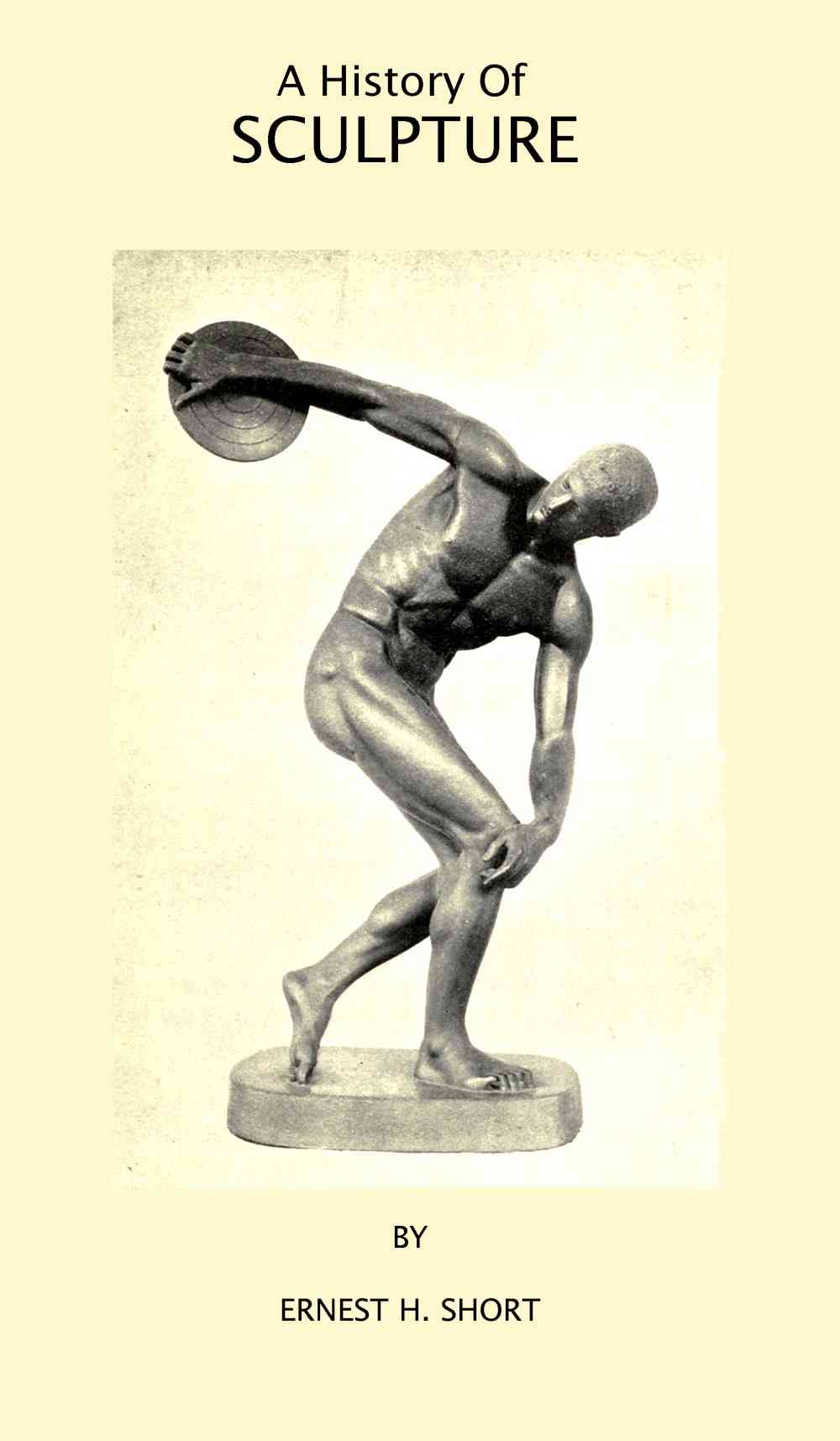
- Otricoli, 41, 42
- Altar of, at Pergamus, 91-93, 112, 130