
| PAGE | |
| ETCHINGS ON COPPER. | |
| Muramasa invoking the Blessing of the Gods on a newly forged Sword | Frontispiece |
| Muramasa and his Son at the Forge | 48 |
| O Tetsu | 74 |
| Sennoske showing his Sword to his Father | 92 |
| The Duke receiving Sennoske | 176 |
| RELIEF ENGRAVINGS. | |
| Japanese Title | Facing English title |
| The Old Jinrikisha Man and his Wife | 3 |
| Japanese Sword | 6 |
| Farm Laborer | 8 |
| Woman sowing Rice | 9 |
| Mythological Gods of Japan | 12 |
| The Duke’s Attack on the Ambassador | 15 |
| Street Board for Government Edicts | 18 |
| Emperor of Japan | 19 |
| Empress of Japan | 23 |
| Sword-daggers | 25 |
| Singing Girls | 26 |
| The Duke receiving Mutto | 29 |
| Sword Ornaments | 33 |
| Writing Table | 35 |
| Street Scene in Kuwana | 38 |
| Japanese Fishes (Two) | 42 |
| Japanese Landscape | 45 |
| An Eta | 47 |
| Sword-guard | 49 |
| Landing-place at Kuwana | 51 |
| A Ronin | 54 |
| Deserted Buildings | 57 |
| O Tetsu and the Two Beldames | 61 |
| Sword-guard | 64 |
| Inkio (Retirement from Worldly Affairs) | 66 |
| Male and Female Nakōdō (Marriage Negotiators) | 68 |
| Sennoske and his Father | 71 |
| Sosanoô Mikoto, the Patron God of Swords and Inventor of Poetry | 73 |
| Yoritomo liberating a Thousand Cranes in honor of his Victories | 77 |
| Man in Armor | 79 |
| Peasant | 85 |
| Sennoske receiving the Sword from the Smith | 87 |
| Resenting an Insult | 91 |
| Saddle, Stirrup, and Saddle-cloth | 96 |
| Sennoske in Battle | 99 |
| Seeing a Disguised Hōjō Spy in Nitta’s Camp | 102 |
| Nitta praying to the Gods before throwing his Sword into the Sea | 105 |
| Scene at the Storming of Kamakura | 107 |
| Sennoske on his Return | 109 |
| Pilgrims to Fujiyama | 111 |
| Roadside Tea-house | 112 |
| Fujiyama, with Angel hovering over it | 113 |
| Court Lady’s Head-dress and State Fan | 115 |
| Yamagawa discovering his Mistake | 119 |
| Roadside Hotel | 124 |
| Buddhist Temple (Monk and Acolyte) | 127 |
| Yamagawa committing Seppuku (Hara-Kiri) | 129 |
| Arrows and Military Head-dress | 132 |
| Sending a Present | 134 |
| A Karo (Chief Counsellor) | 135 |
| An Execution | 138 |
| A Lord entering his Nori-mono | 140 |
| Ōtō no Miya, the Mikado’s Son, in his Mountain Retreat when fleeing from the Hōjō | 143 |
| A Prison | 145 |
| Postal Couriers | 147 |
| State Sword and Head-dress | 151 |
| A Fencing Match | 156 |
| Sennoske facing his Enemies | 159 |
| A Funeral | 163 |
| Helmet | 167 |
| News of the Arrival of the Courier at the Court | 169 |
| Serving Refreshments | 171 |
| Japanese Room | 173 |
| Marriage Scene | 178 |
| Female Musicians | 180 |
| Tail-piece (Masks) | 181 |
| Ornament | 182 |
| Gathering Tea-leaves | 183 |
| Yamato-dake no Mikoto, Semi-divinity of War | 184 |
| Marshal’s Baton, War-fan, and Head-dress | 188 |
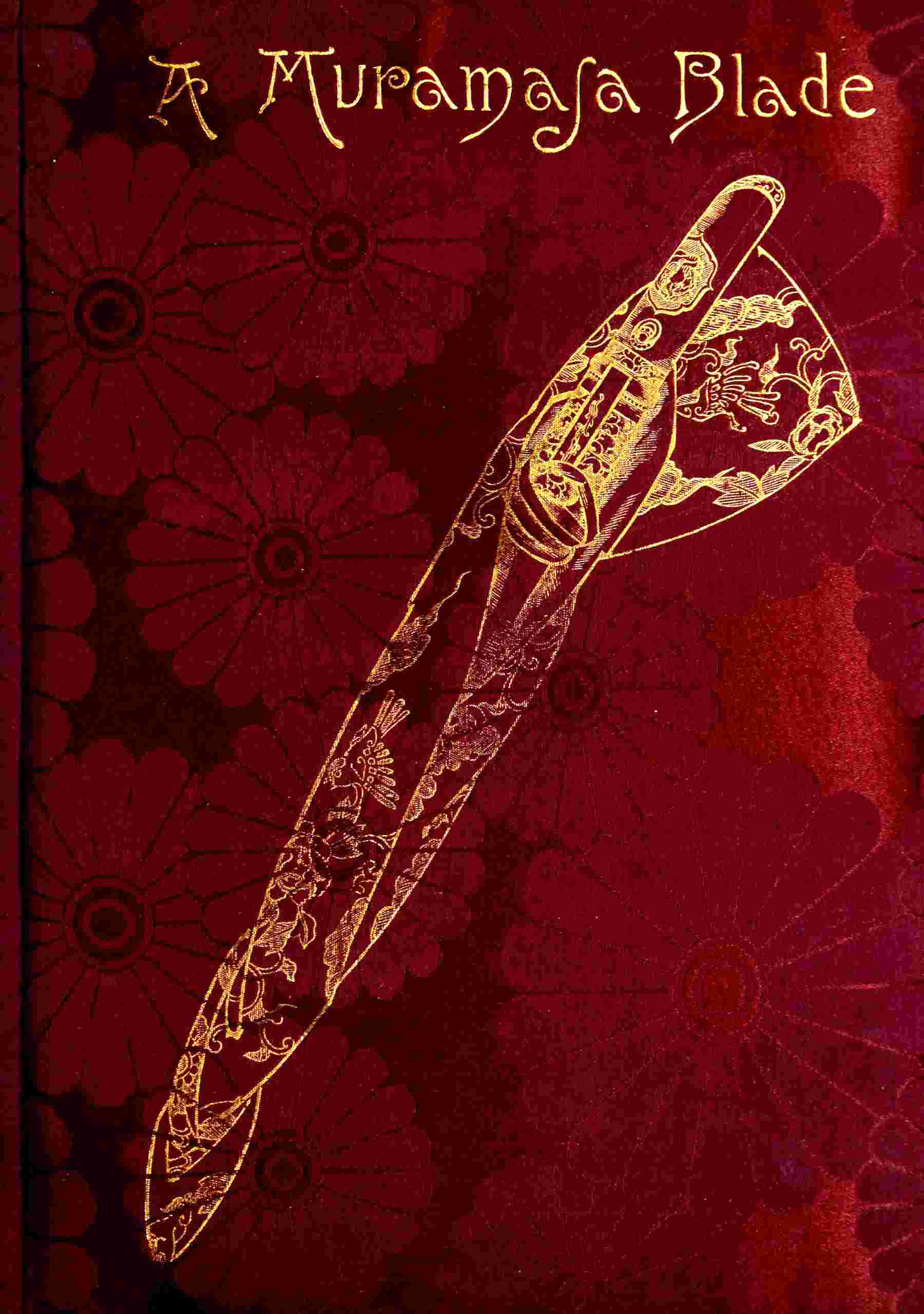
A Muramasa blade
About This Book
Set in a period of feudal upheaval, the story traces a celebrated sword from its forging through successive owners, showing how the weapon shapes loyalties, fortunes, and tragic choices. Episodes portray domestic life, ritual observance, political intrigue, battlefield action, and acts of honor and self-sacrifice, all rendered with attention to contemporary customs. Presented largely from a native viewpoint, the narrative interweaves historical detail with personal drama to examine how objects and traditions define social duty and individual destiny amid shifting power and moral tensions.