
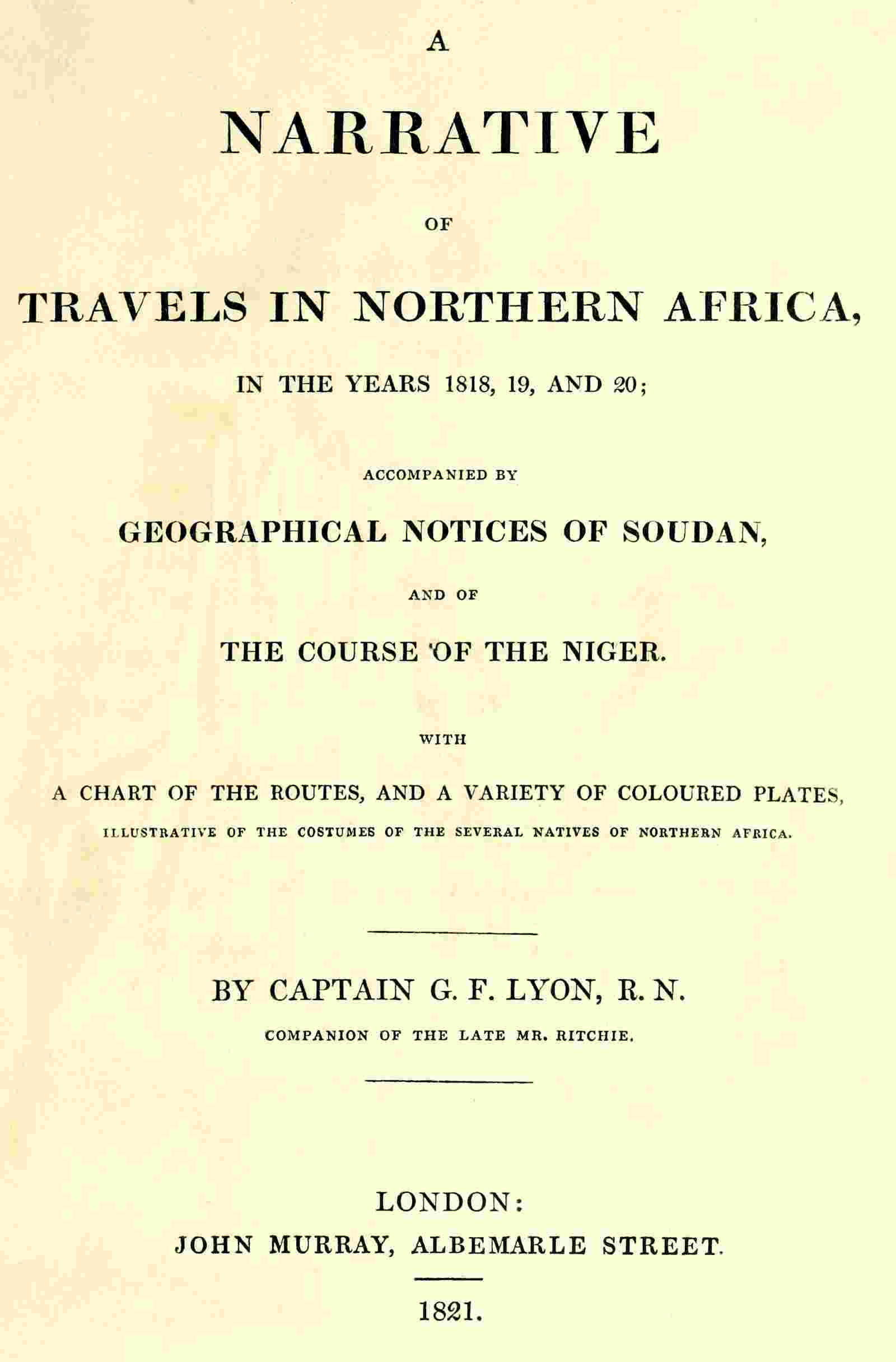
A narrative of travels in northern Africa in the years 1818, 19, and 20; accompanied by geographical notices of Soudan and of the course of the Niger
Explore more books like this:
About This Book
An account by a British naval officer records a two-part travel journal of a mission from Tripoli into the Fezzan, detailing routes, encampments, and desert travel logistics. It offers close ethnographic description of local costumes, ceremonies, languages, governance, and daily life observed in Tripoli, Morzouk, and surrounding oases. The narrative maps trade networks, commodity flows and slave caravans, includes vocabularies and geological notes, and presents conjectures about the Niger and the geography of the Sudan interior. A recurring theme is sickness and scarcity: the illness and death of the author's companion shape later decisions, limiting further penetration southward and prompting return to Tripoli.
About the Author
You May Also Like
 "My country, 'tis of thee!" / Or, the United States of America; past, present and future. A philosophic view of American history and of our present status, to be seen in the Columbian exhibition.
by Willis Fletcher Johnson
"My country, 'tis of thee!" / Or, the United States of America; past, present and future. A philosophic view of American history and of our present status, to be seen in the Columbian exhibition.
by Willis Fletcher Johnson
 "Their Majesties' Servants." Annals of the English Stage (Volume 3 of 3)
by Dr. Doran
"Their Majesties' Servants." Annals of the English Stage (Volume 3 of 3)
by Dr. Doran
 1811 Dictionary of the Vulgar Tongue
by Francis Grose
1811 Dictionary of the Vulgar Tongue
by Francis Grose
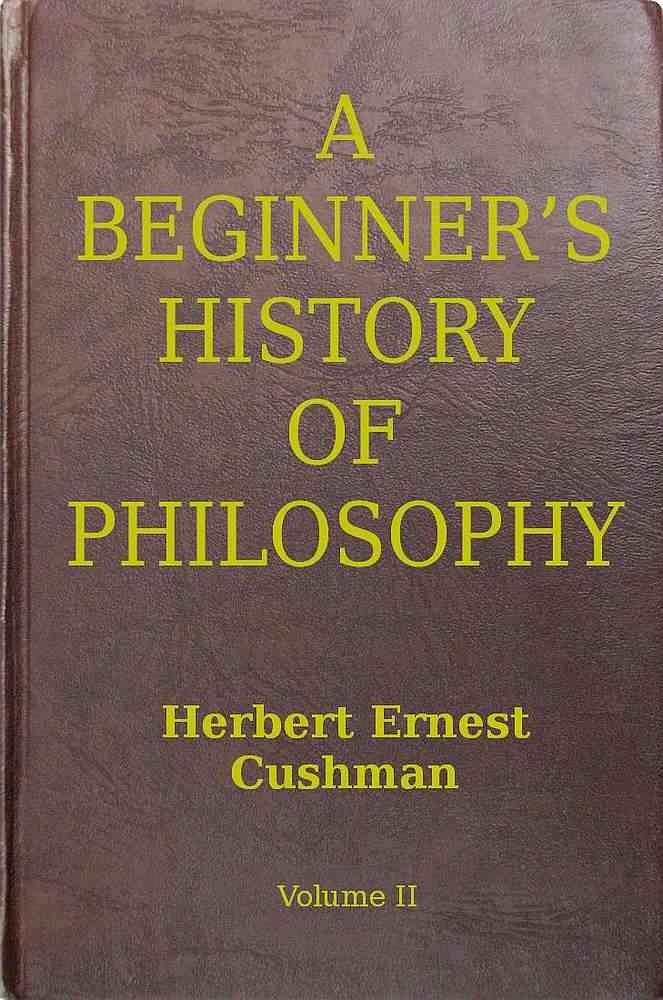 A Beginner's History of Philosophy, Vol. 2: Modern Philosophy
by Herbert Ernest Cushman
A Beginner's History of Philosophy, Vol. 2: Modern Philosophy
by Herbert Ernest Cushman
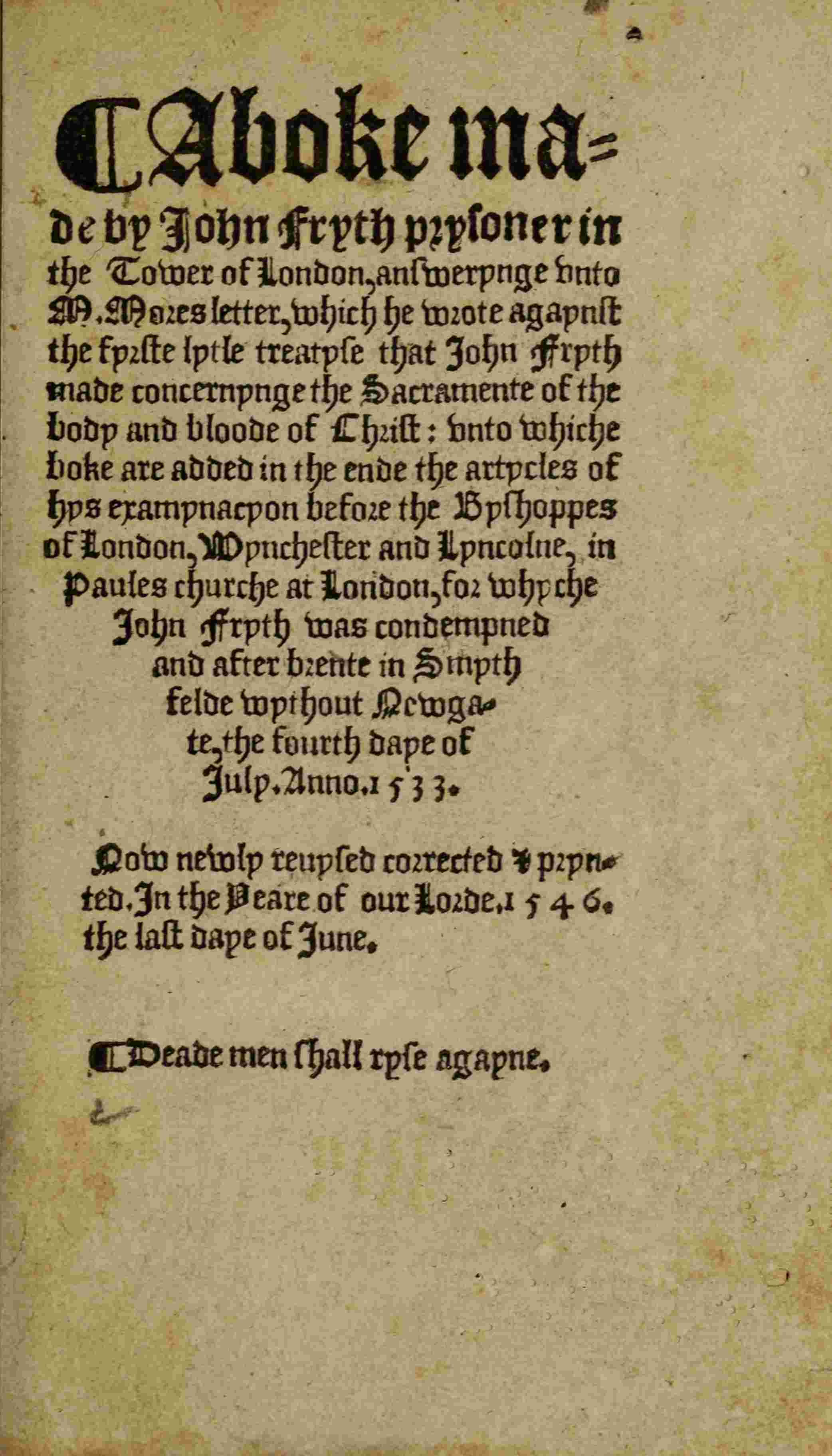 A boke made by John Fryth, prysoner in the Tower of London / answerynge unto M. Mores letter, which he wrote agaynst the fyrste lytle treatyse that John Fryth made, concernynge the sacramente of the body and bloude of Christ
by John Frith
A boke made by John Fryth, prysoner in the Tower of London / answerynge unto M. Mores letter, which he wrote agaynst the fyrste lytle treatyse that John Fryth made, concernynge the sacramente of the body and bloude of Christ
by John Frith
 A Brief Account of the Destruction of the Indies / Or, a faithful NARRATIVE OF THE Horrid and Unexampled Massacres, Butcheries, and all manner of Cruelties, that Hell and Malice could invent, committed by the Popish Spanish Party on the inhabitants of West-India, TOGETHER With the Devastations of several Kingdoms in America by Fire and Sword, for the space of Forty and Two Years, from the time of its first Discovery by them.
by Bartolomé de las Casas
A Brief Account of the Destruction of the Indies / Or, a faithful NARRATIVE OF THE Horrid and Unexampled Massacres, Butcheries, and all manner of Cruelties, that Hell and Malice could invent, committed by the Popish Spanish Party on the inhabitants of West-India, TOGETHER With the Devastations of several Kingdoms in America by Fire and Sword, for the space of Forty and Two Years, from the time of its first Discovery by them.
by Bartolomé de las Casas