
WeRead Powered by ReaderPub
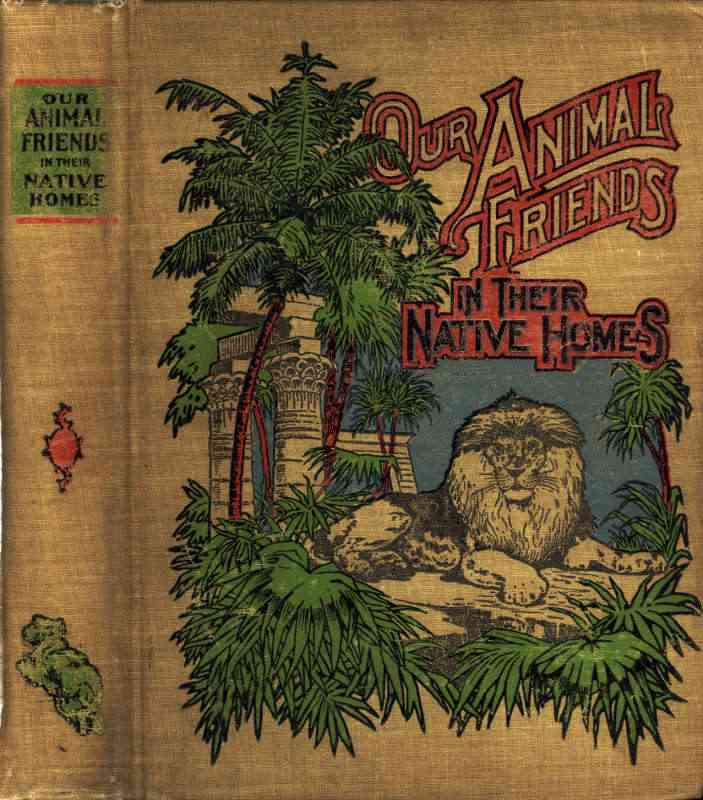
A Natural History for Young People: Our Animal Friends in Their Native Homes / including mammals, birds and fishes cover

A Natural History for Young People: Our Animal Friends in Their Native Homes / including mammals, birds and fishes

Chapter 118: THE MUSK DEER.
Open in WeRead

About This Book

Aimed at young readers, this natural-history guide presents mammals, birds, and fishes organized by families and explained in clear, nontechnical language. It surveys primates, carnivores (including bears, cats, and dogs), seals, bats, insectivores, toothless and gnawing mammals, marsupials, pachyderms, ruminants, and whales, alongside many bird groups such as owls and birds of prey. Habits, habitats, anatomy, and relationships among species are described, with necessary scientific terms defined in accessible prose. More than a hundred illustrations and colored plates accompany the text to clarify forms, behavior, and comparative classification.

THE MUSK DEER.

Although it belongs to the Deer family, the little Musk Deer is often classified with this group because it is without horns, and resembles the Camel family in its teeth and other characteristics. This is a graceful little animal, about the size of a half-grown Fawn of our common Deer. Its tail is very short, and it is covered with hair so coarse and so brittle that it is almost like bristles, but what especially distinguishes it, is its pouch filled with the substance so well known in medicine and perfumery under the name of musk.

The Musk Deer is a native of the mountainous region between Siberia, China and Thibet.