

A Practical View of the Prevailing Religious System of Professed Christians, in the Middle and Higher Classes in this Country, Contrasted with Real Christianity.
Explore more books like this:
About This Book
The work diagnoses widespread nominal religion among the middle and higher classes, arguing that external observance and social respectability often mask a lack of genuine conversion and moral transformation. Drawing on scripture, reason, and observation, it contrasts formal practices with the inward principles of true Christianity—repentance, habitual obedience, personal holiness, and active charity—and traces how corrupted affections and bad habit weaken conscience. It urges remedies including renewed personal piety, scriptural study, prayer, and consistent Christian example, and presents a series of practical exhortations and reflections designed to promote spiritual renovation and ethical reform within private and public life.
About the Author
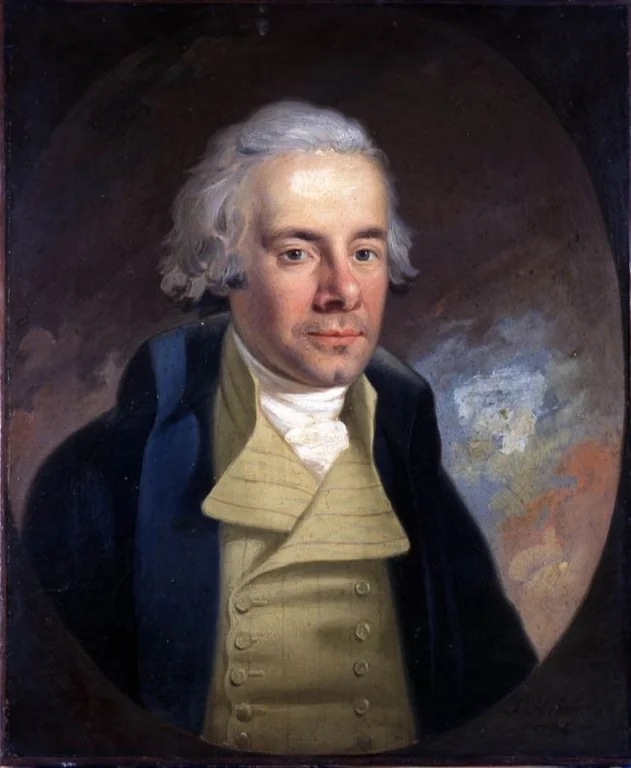
More Books by This Author

You May Also Like
 "1914"
by John Oxenham
"1914"
by John Oxenham
 "All's Well"; or, Alice's Victory
by Emily Sarah Holt
"All's Well"; or, Alice's Victory
by Emily Sarah Holt
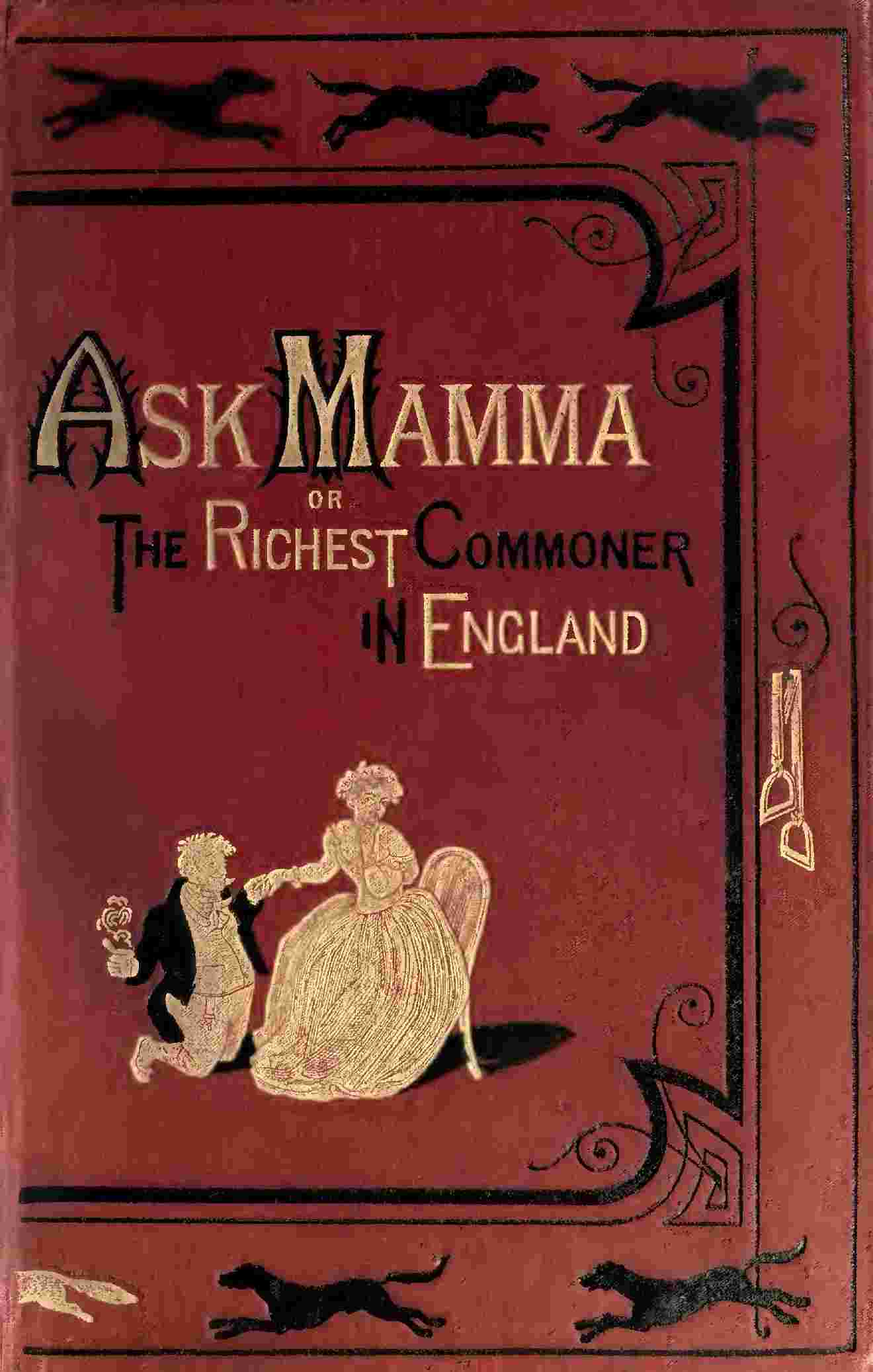 "Ask Mamma"; or, The Richest Commoner In England
by Robert Smith Surtees
"Ask Mamma"; or, The Richest Commoner In England
by Robert Smith Surtees
 "Bones": Being Further Adventures in Mr. Commissioner Sanders' Country
by Edgar Wallace
"Bones": Being Further Adventures in Mr. Commissioner Sanders' Country
by Edgar Wallace
 "Captains Courageous": A Story of the Grand Banks
by Rudyard Kipling
"Captains Courageous": A Story of the Grand Banks
by Rudyard Kipling
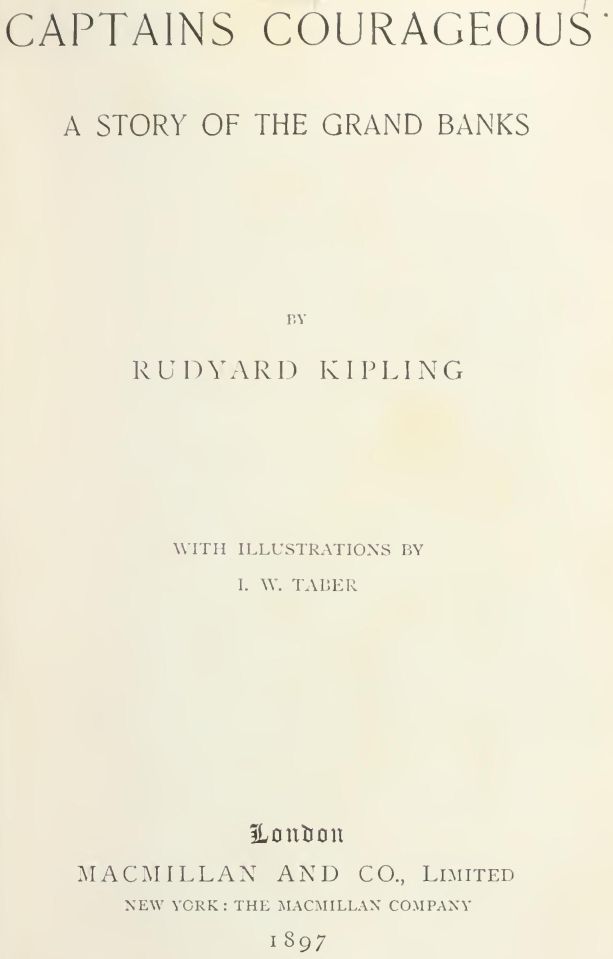 "Captains Courageous": A Story of the Grand Banks
by Rudyard Kipling
"Captains Courageous": A Story of the Grand Banks
by Rudyard Kipling