

A Study of Pueblo Architecture: Tusayan and Cibola / Eighth Annual Report of the Bureau of Ethnology to the Secretary of the Smithsonian Institution, 1886-1887, Government Printing Office, Washington, 1891, pages 3-228
Explore more books like this:
About This Book
A detailed architectural and ethnographic survey documents traditional histories, ruins, and occupied villages in the Tusayan and Cibola regions, providing measured plans, site descriptions, and many illustrations. It compares building techniques and ritual spaces, especially kivas, across settlements, and analyzes masonry, roofs, openings, ladders, ovens, corrals, and garden enclosures. The work records construction methods, interior arrangements, ownership and ceremonial uses, and offers an architectural nomenclature and typologies to explain variations between sites, concluding with systematic remarks and extensive plates, figures, and indices for reference.
About the Author

You May Also Like
6 picks
 "Five-Head" Creek; and Fish Drugging in the Pacific / 1901
by Louis Becke
"Five-Head" Creek; and Fish Drugging in the Pacific / 1901
by Louis Becke
 "Pennsylvania Dutch," and other essays
by Phebe Earle Gibbons
"Pennsylvania Dutch," and other essays
by Phebe Earle Gibbons
 "Sterminator Vesevo" (Vesuvius the great exterminator) / Diary of the Eruption of April 1906
by Matilde Serao
"Sterminator Vesevo" (Vesuvius the great exterminator) / Diary of the Eruption of April 1906
by Matilde Serao
 21 Jahre in Indien. Dritter Theil: Sumatra.
by Heinrich Breitenstein
21 Jahre in Indien. Dritter Theil: Sumatra.
by Heinrich Breitenstein
 21 Jahre in Indien. Erster Theil: Borneo.
by Heinrich Breitenstein
21 Jahre in Indien. Erster Theil: Borneo.
by Heinrich Breitenstein
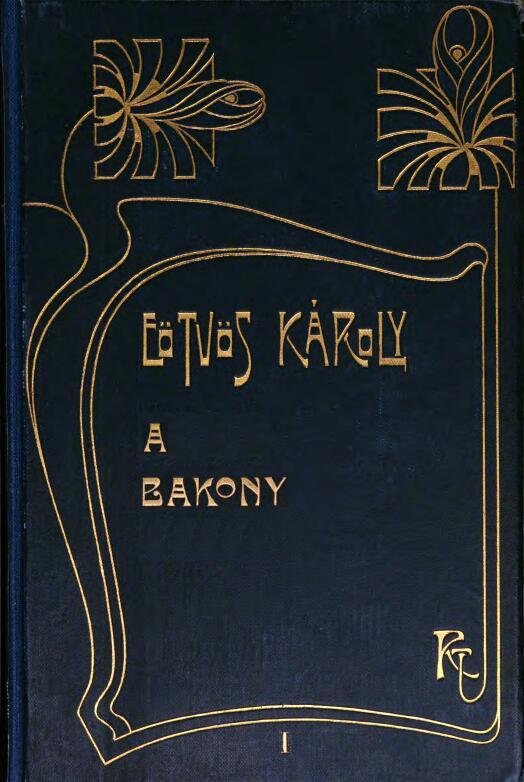 A Bakony (1. kötet)
by Károly Eötvös
A Bakony (1. kötet)
by Károly Eötvös