

A Study of Pueblo Pottery as Illustrative of Zuñi Culture Growth. / Fourth Annual Report of the Bureau of Ethnology to the Secretary of the Smithsonian Institution, 1882-83, Government Printing Office, Washington, 1886, pages 467-522
Explore more books like this:
About This Book
The study analyzes Pueblo (Zuñi) architectural and ceramic traditions, linking house forms, communal organization, and environmental constraints with pottery shapes, techniques, and ornament. It traces evolution from round, basket-inspired wickerware to coiled and corrugated earthenware, describes clay selection, mineral pigments, and firing methods, and shows how weaving patterns informed painted motifs and symbolic designs. Sections compare habitation types, manufacturing steps, and decorative terminology, supported by technical descriptions and illustrations that document material culture development and the functional as well as aesthetic logic behind form and surface decoration.
About the Author

More Books by This Author
3 picks
 Outlines of Zuñi Creation Myths / Thirteenth Annual Report of the Bureau of Ethnology to the Secretary of the Smithsonian Institution, 1891-1892, Government Printing Office, Washington, 1896, pages 321-448
by Frank Hamilton Cushing
Outlines of Zuñi Creation Myths / Thirteenth Annual Report of the Bureau of Ethnology to the Secretary of the Smithsonian Institution, 1891-1892, Government Printing Office, Washington, 1896, pages 321-448
by Frank Hamilton Cushing
 Zuñi Fetiches / Second Annual Report of the Bureau of Ethnology to the Secretary of the Smithsonian Institution, 1880-1881, Government Printing Office, Washington, 1883, pages 3-45
by Frank Hamilton Cushing
Zuñi Fetiches / Second Annual Report of the Bureau of Ethnology to the Secretary of the Smithsonian Institution, 1880-1881, Government Printing Office, Washington, 1883, pages 3-45
by Frank Hamilton Cushing
 Zuñi Folk Tales
by Frank Hamilton Cushing
Zuñi Folk Tales
by Frank Hamilton Cushing
You May Also Like
6 picks
 "Five-Head" Creek; and Fish Drugging in the Pacific / 1901
by Louis Becke
"Five-Head" Creek; and Fish Drugging in the Pacific / 1901
by Louis Becke
 "Pennsylvania Dutch," and other essays
by Phebe Earle Gibbons
"Pennsylvania Dutch," and other essays
by Phebe Earle Gibbons
 "Sterminator Vesevo" (Vesuvius the great exterminator) / Diary of the Eruption of April 1906
by Matilde Serao
"Sterminator Vesevo" (Vesuvius the great exterminator) / Diary of the Eruption of April 1906
by Matilde Serao
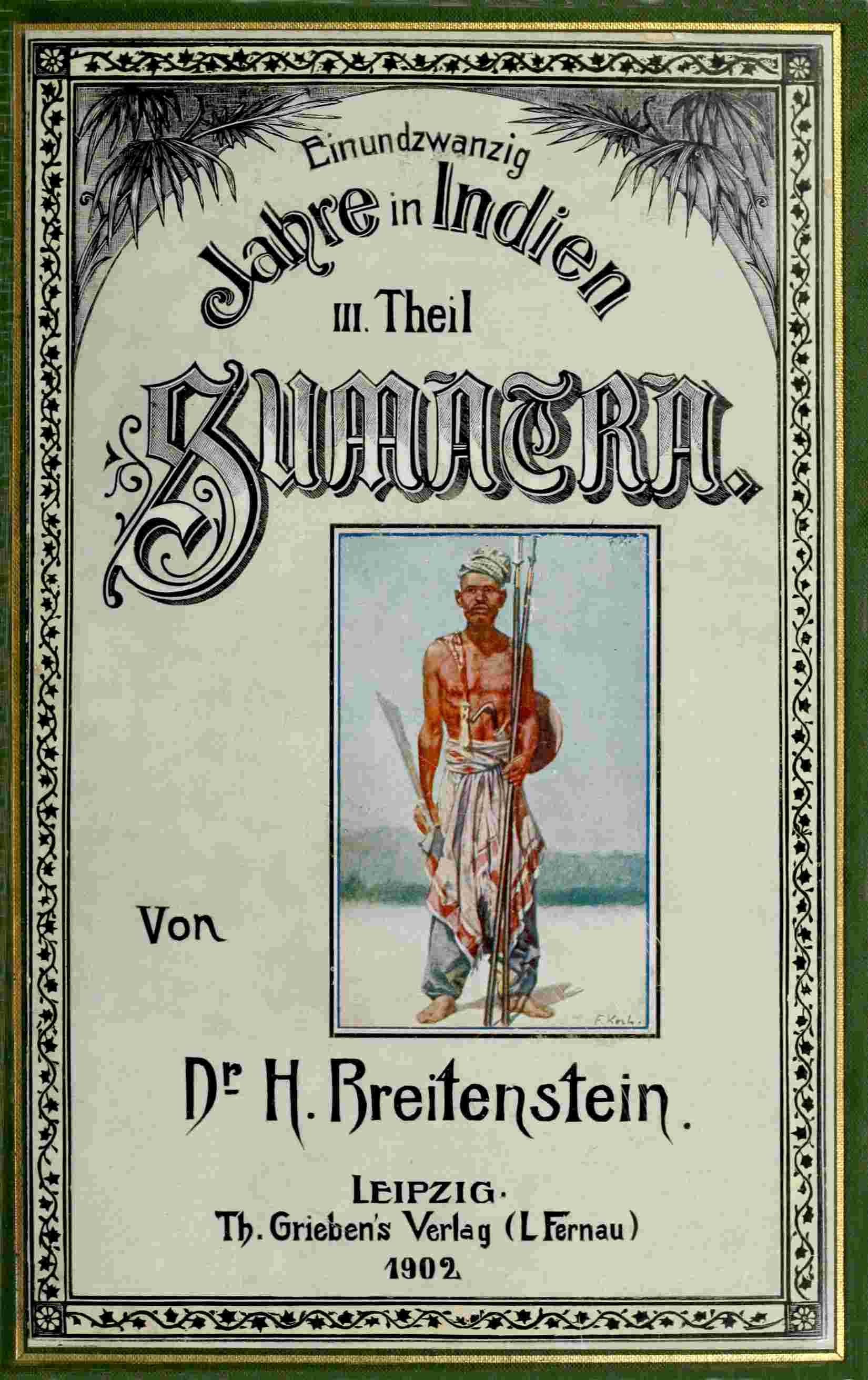 21 Jahre in Indien. Dritter Theil: Sumatra.
by Heinrich Breitenstein
21 Jahre in Indien. Dritter Theil: Sumatra.
by Heinrich Breitenstein
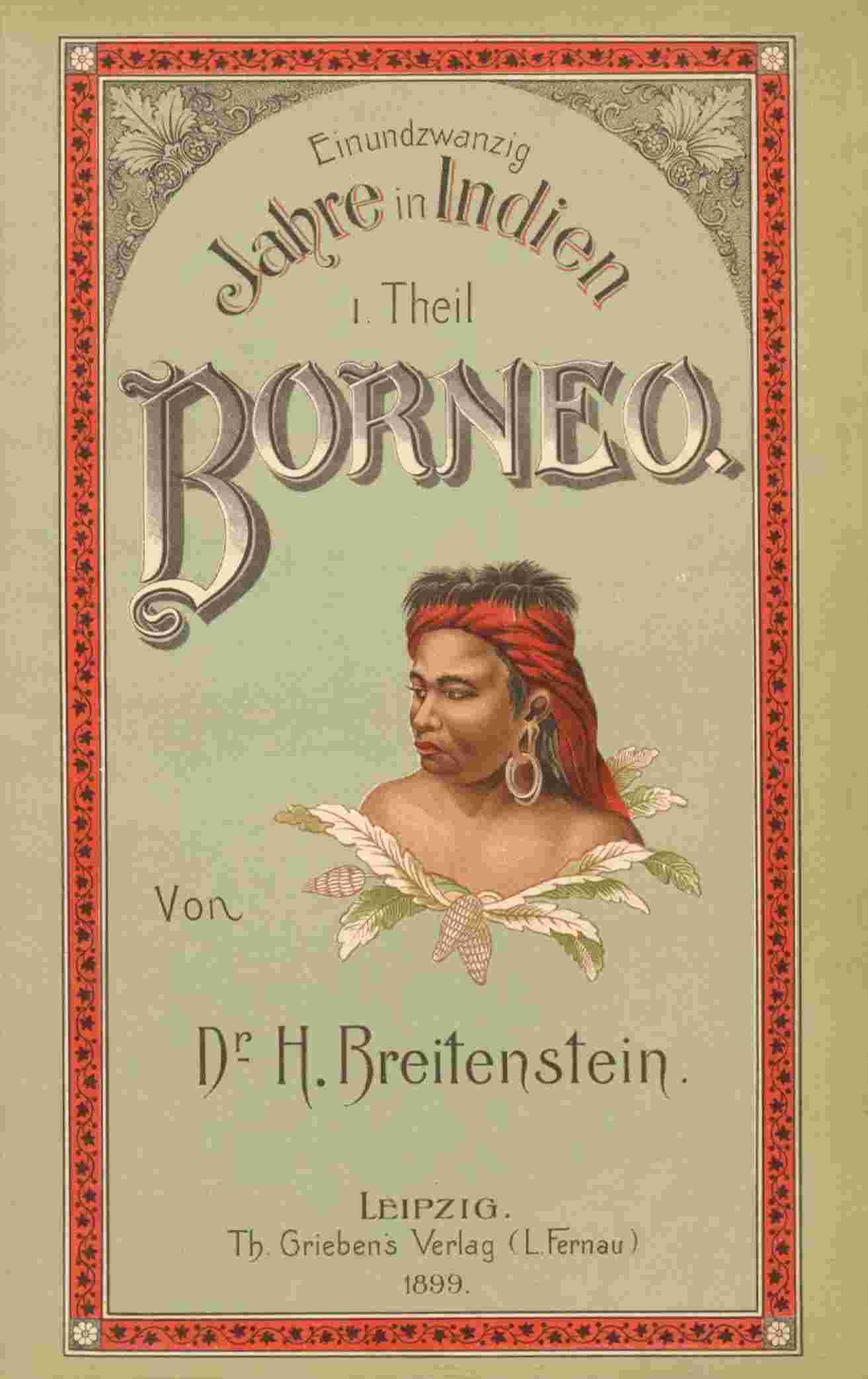 21 Jahre in Indien. Erster Theil: Borneo.
by Heinrich Breitenstein
21 Jahre in Indien. Erster Theil: Borneo.
by Heinrich Breitenstein
 A Bakony (1. kötet)
by Károly Eötvös
A Bakony (1. kötet)
by Károly Eötvös