
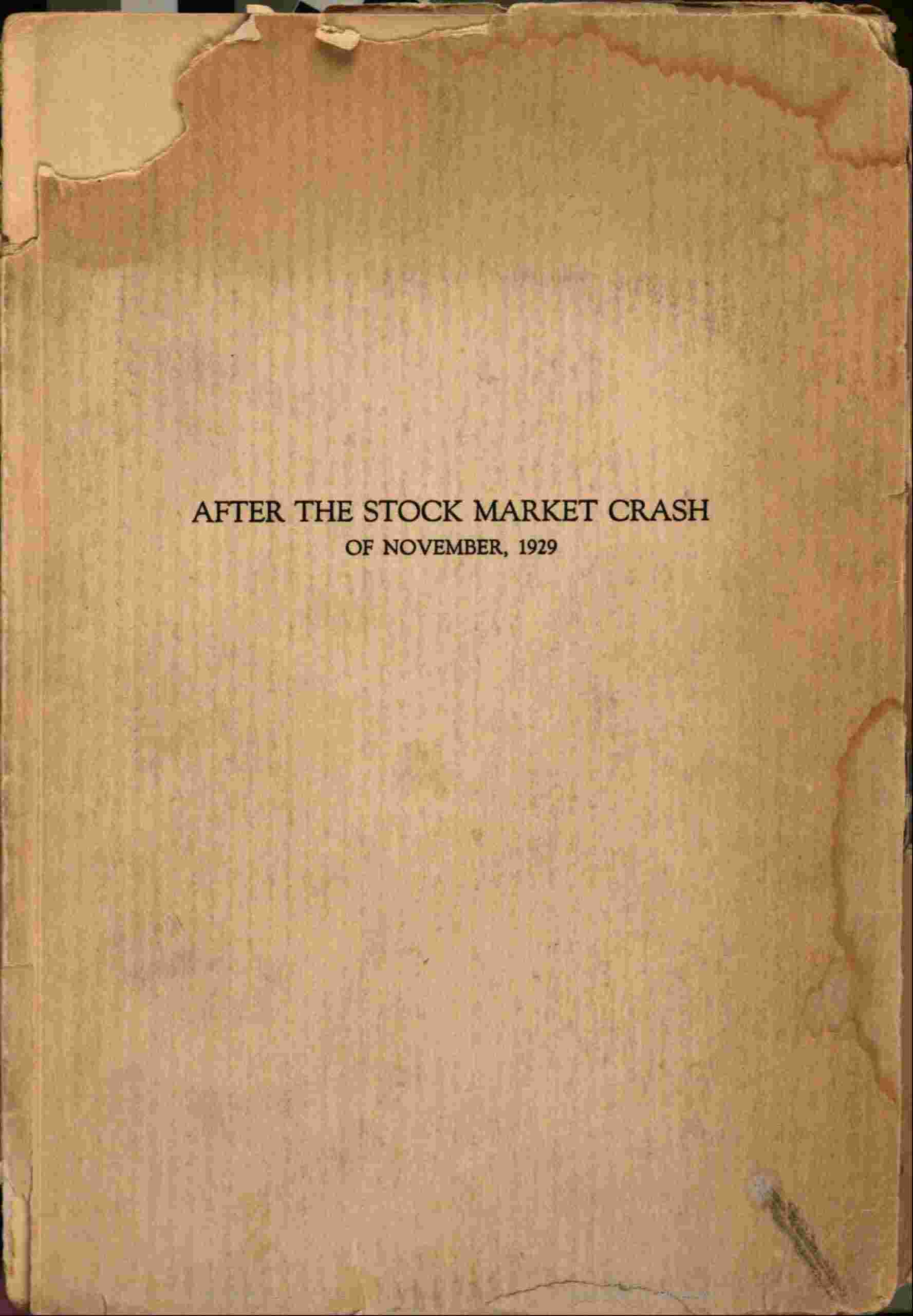
About This Book
The author provides a concise account of the speculative boom that led to the 1929 market collapse, analyzing how stock trading became mass activity through investment trusts, aggressive promotion, and popular confidence. He traces psychological and structural factors—widespread belief in endless price increases, piling into active issues despite low dividend yields, reliance on reputed financiers, and rumor-driven momentum—that converted cautious saving into speculative gambling. The chapter argues these dynamics created systemic vulnerability, with professional managers, advertising, and social contagion driving prices far beyond underlying values.
About the Author

More Books by This Author
4 picks



You May Also Like
6 picks
 A Brief History of Panics and Their Periodical Occurrence in the United States
by Clément Juglar
A Brief History of Panics and Their Periodical Occurrence in the United States
by Clément Juglar
 A Contribution to the Critique of Political Economy
by Karl Marx
A Contribution to the Critique of Political Economy
by Karl Marx
 A Critical Examination of Socialism
by W. H. Mallock
A Critical Examination of Socialism
by W. H. Mallock
 A Discourse on Trade, and Other Matters Relative to it
by John Cary
A Discourse on Trade, and Other Matters Relative to it
by John Cary
 A dissolução do regimen capitalista
by Teixeira Bastos
A dissolução do regimen capitalista
by Teixeira Bastos
 A History of Banks for Savings in Great Britain and Ireland
by William Lewins
A History of Banks for Savings in Great Britain and Ireland
by William Lewins