
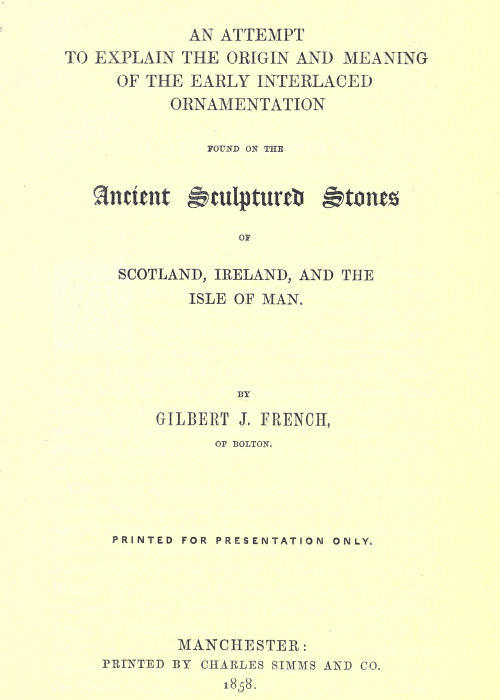
An Attempt to Explain the Origin and Meaning of the Early Interlaced Ornamentation Found on the Sculptured Stones of Scotland, Ireland, and the Isle of Man
Explore more books like this:
About This Book
The essay proposes that the earliest interlaced ornament on ancient carved stones grew out of practical basketry and wicker techniques, and it traces similar motifs in metalwork and illuminated manuscripts. It surveys archaeological traces and historical references to wattled buildings and woven objects in Scotland, Ireland, and the Isle of Man, argues for continuity of the pattern through successive eras, and links simple plaiting practices to later textile and decorative developments. The author compares carved examples, suggests functional and cultural origins for the motifs, and urges careful comparative study to evaluate the theory.
About the Author

You May Also Like
6 picks
 "Five-Head" Creek; and Fish Drugging in the Pacific / 1901
by Louis Becke
"Five-Head" Creek; and Fish Drugging in the Pacific / 1901
by Louis Becke
 "Pennsylvania Dutch," and other essays
by Phebe Earle Gibbons
"Pennsylvania Dutch," and other essays
by Phebe Earle Gibbons
 "Sterminator Vesevo" (Vesuvius the great exterminator) / Diary of the Eruption of April 1906
by Matilde Serao
"Sterminator Vesevo" (Vesuvius the great exterminator) / Diary of the Eruption of April 1906
by Matilde Serao
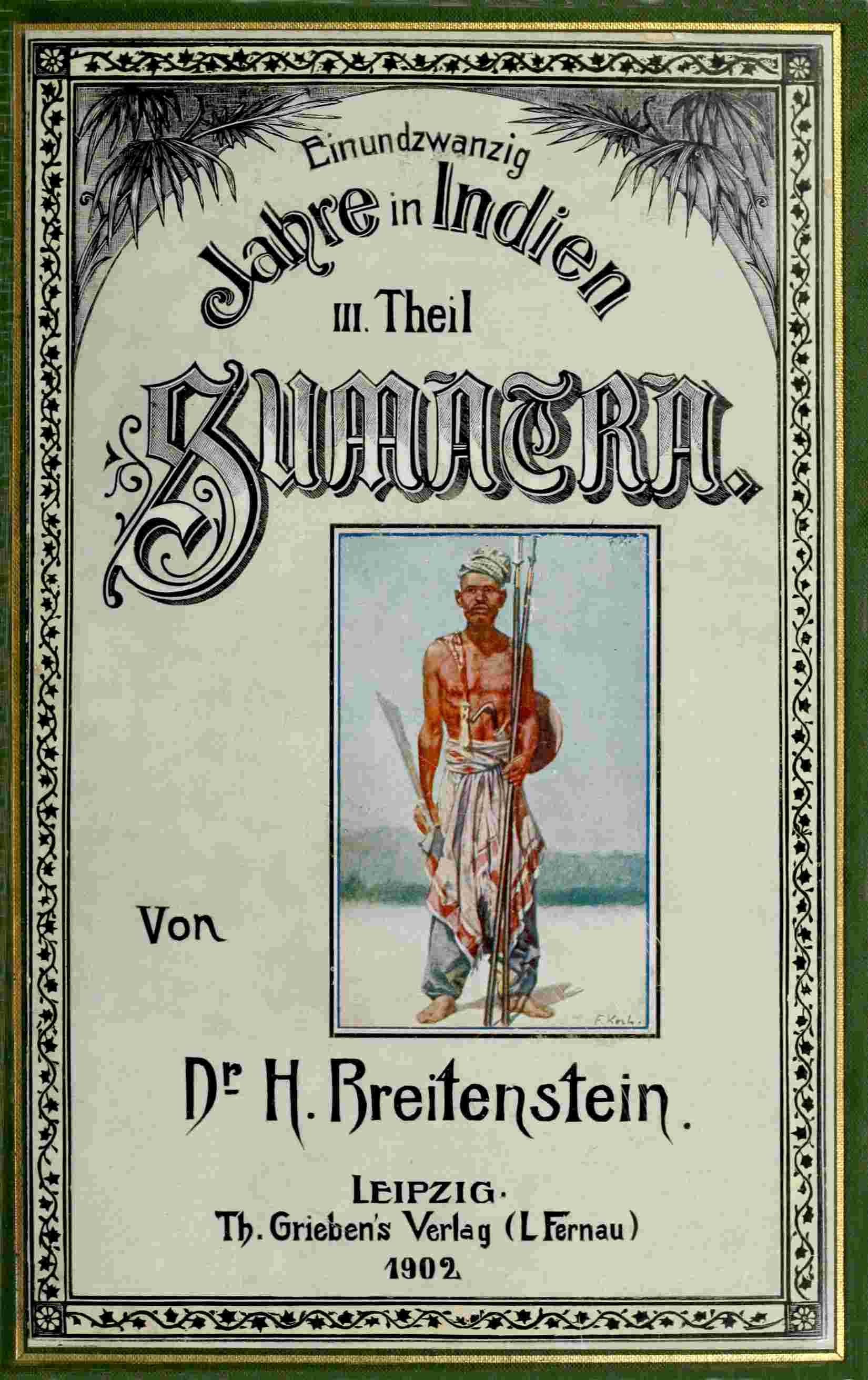 21 Jahre in Indien. Dritter Theil: Sumatra.
by Heinrich Breitenstein
21 Jahre in Indien. Dritter Theil: Sumatra.
by Heinrich Breitenstein
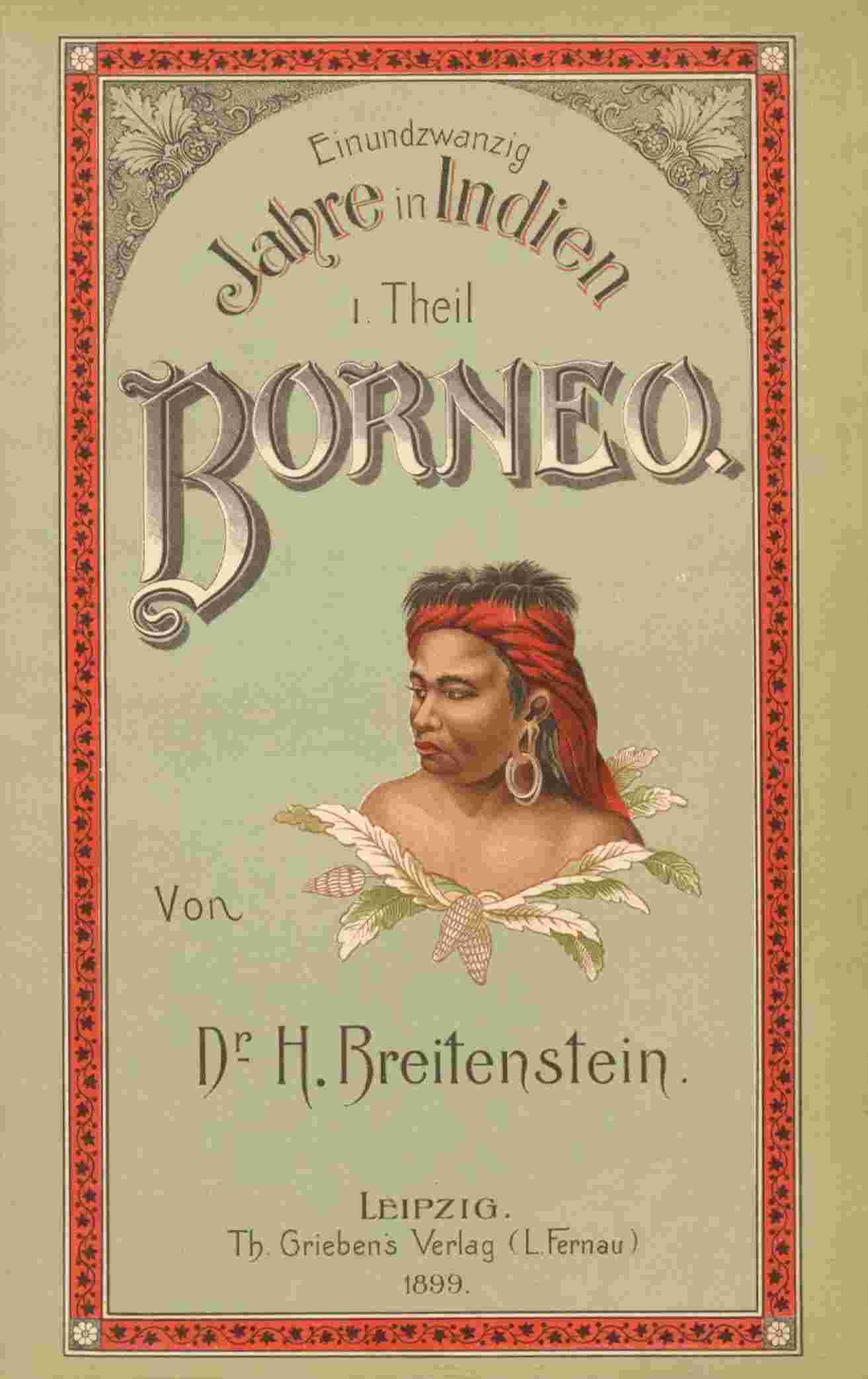 21 Jahre in Indien. Erster Theil: Borneo.
by Heinrich Breitenstein
21 Jahre in Indien. Erster Theil: Borneo.
by Heinrich Breitenstein
 A Bakony (1. kötet)
by Károly Eötvös
A Bakony (1. kötet)
by Károly Eötvös