

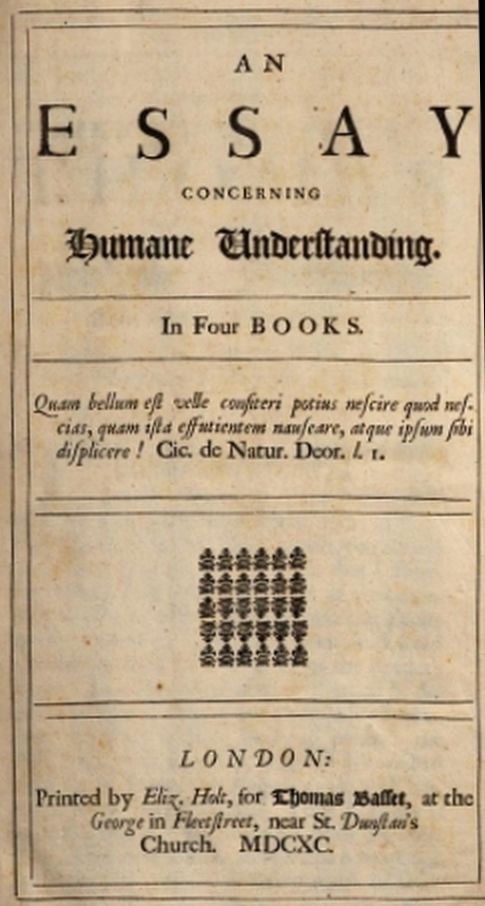
An Essay Concerning Humane Understanding, Volume 2 / MDCXC, Based on the 2nd Edition, Books 3 and 4
Explore more books like this:
About This Book
The text examines how language functions as a system of signs that represent ideas, treating the nature and formation of general terms, names for simple ideas, mixed modes, substances, particles, and the limits and abuses of words, while proposing remedies for confusion. It then shifts to epistemology, defining knowledge, its degrees and extent, criteria of truth and probability, the forms of assent, judgment, reasoning and error, and the relations between faith and reason, including considerations of evidence for the existence of God and other beings, and practical means for improving human understanding.
About the Author

More Books by This Author
3 picks


You May Also Like
6 picks
 "Stops", Or How to Punctuate / A Practical Handbook for Writers and Students
by Paul Allardyce
"Stops", Or How to Punctuate / A Practical Handbook for Writers and Students
by Paul Allardyce
 1001 Questions and Answers on Orthography and Reading
by B. A. Hathaway
1001 Questions and Answers on Orthography and Reading
by B. A. Hathaway
 1811 Dictionary of the Vulgar Tongue
by Francis Grose
1811 Dictionary of the Vulgar Tongue
by Francis Grose
 A Blind Esperantist's Trip to Finland and Sweden, to Attend the Fourteenth International Esperanto Congress
by W. Percy Merrick
A Blind Esperantist's Trip to Finland and Sweden, to Attend the Fourteenth International Esperanto Congress
by W. Percy Merrick
 A Book About Words
by G. F. Graham
A Book About Words
by G. F. Graham
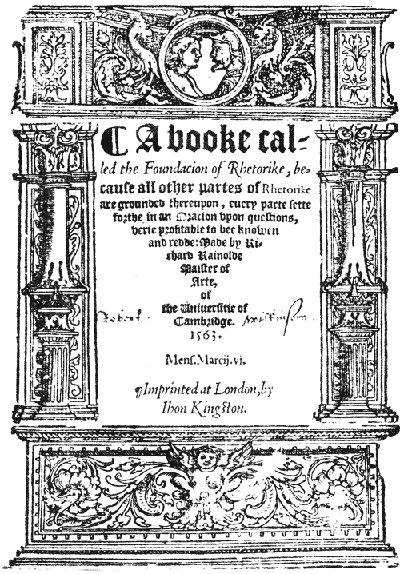 A booke called the Foundacion of Rhetorike / because all other partes of Rhetorike are grounded thereupon, euery parte sette forthe in an Oracion vpon questions, verie profitable to bee knowen and redde
by Richard Rainolde
A booke called the Foundacion of Rhetorike / because all other partes of Rhetorike are grounded thereupon, euery parte sette forthe in an Oracion vpon questions, verie profitable to bee knowen and redde
by Richard Rainolde