
An ethical philosophy of life presented in its main outlines
Explore more books like this:
About This Book
The author presents a life-derived ethical system beginning with an autobiographical account of formative influences, then develops a philosophical theory that critiques Kant, defines human worth, and outlines an ideal of the whole together with a clarified notion of the spiritual and a God-ideal. The theory is applied to personal moral challenges such as sickness, sorrow, and sin, and to rights of life, property, and reputation. It concludes by treating social institutions—family, vocations, the state, international relations, art, education, and religious fellowship—as successive spheres through which individual development advances toward a supreme ethical end linking everyday activity to higher ideals.
About the Author

More Books by This Author
5 picks
You May Also Like
6 picks
 "Billy" Sunday, the Man and His Message / With his own words which have won thousands for Christ
by William T. Ellis
"Billy" Sunday, the Man and His Message / With his own words which have won thousands for Christ
by William T. Ellis
 "Boots and Saddles"; Or, Life in Dakota with General Custer
by Elizabeth Bacon Custer
"Boots and Saddles"; Or, Life in Dakota with General Custer
by Elizabeth Bacon Custer
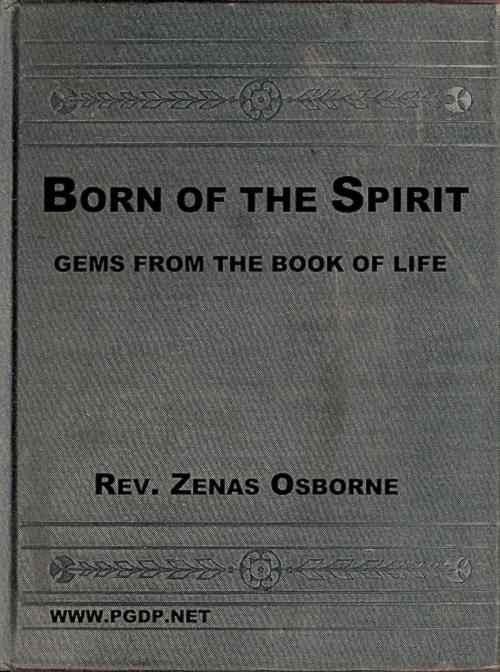 "Born of the Spirit;" or, Gems from the Book of Life
by Zenas Osborne
"Born of the Spirit;" or, Gems from the Book of Life
by Zenas Osborne
 "Brother Bosch", an Airman's Escape from Germany
by Gerald Featherstone Knight
"Brother Bosch", an Airman's Escape from Germany
by Gerald Featherstone Knight
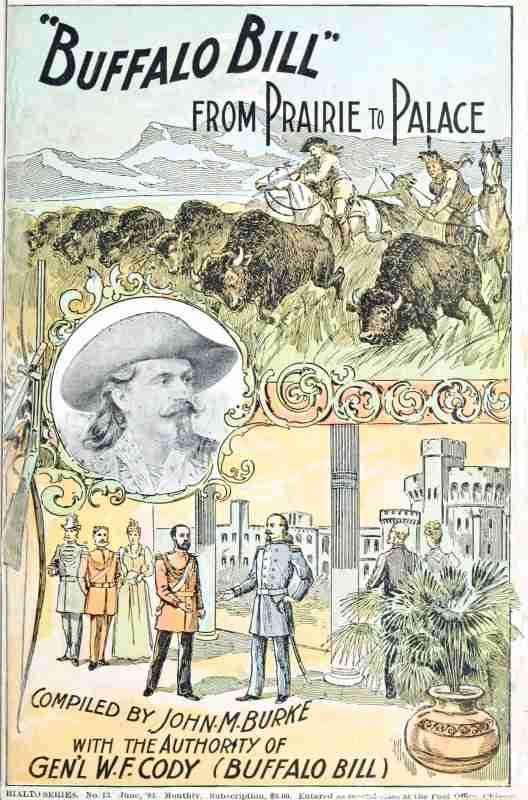 "Buffalo Bill" from Prairie to Palace: An Authentic History of the Wild West
by John M. Burke
"Buffalo Bill" from Prairie to Palace: An Authentic History of the Wild West
by John M. Burke
 "Co. Aytch," Maury Grays, First Tennessee Regiment / Or, A Side Show of the Big Show
by Samuel R. Watkins
"Co. Aytch," Maury Grays, First Tennessee Regiment / Or, A Side Show of the Big Show
by Samuel R. Watkins