
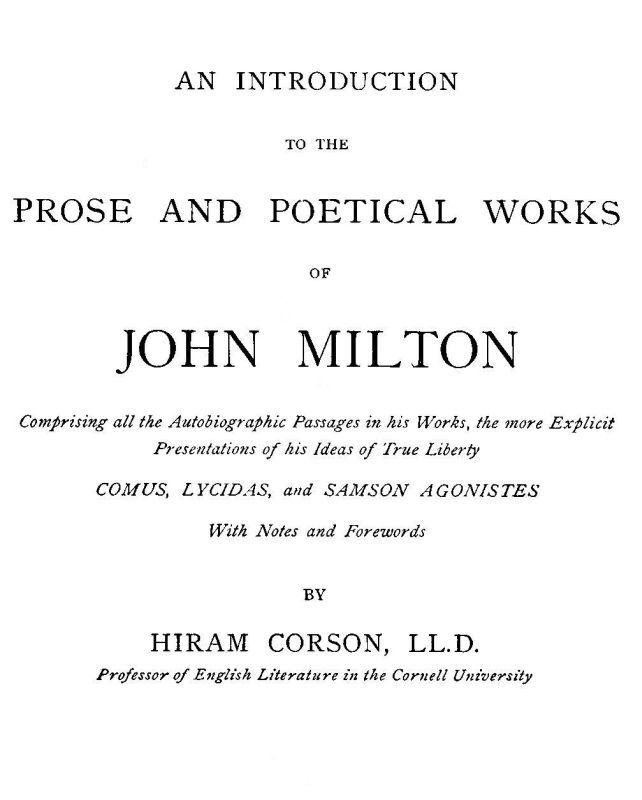
An Introduction to the Prose and Poetical Works of John Milton / Comprising All the Autobiographic Passages in His Works, the More Explicit Presentations of His Ideas of True Liberty.
Explore more books like this:
About This Book
The volume gathers the author's autobiographical passages, key prose tracts, familiar letters, sonnets, and three notable dramatic and elegiac poems, accompanied by scholarly notes and an introductory essay. Selections include major defenses, pamphlets on church and civil liberty, the Areopagitica, and personal correspondence that illuminate his views on individual, civil, and religious freedom. The introduction surveys his rhetorical style and moral aims, while the notes clarify textual and historical points, and the poems Comus, Lycidas, and Samson Agonistes are presented with commentary on form and themes.
About the Author

More Books by This Author
6 picks
You May Also Like
6 picks
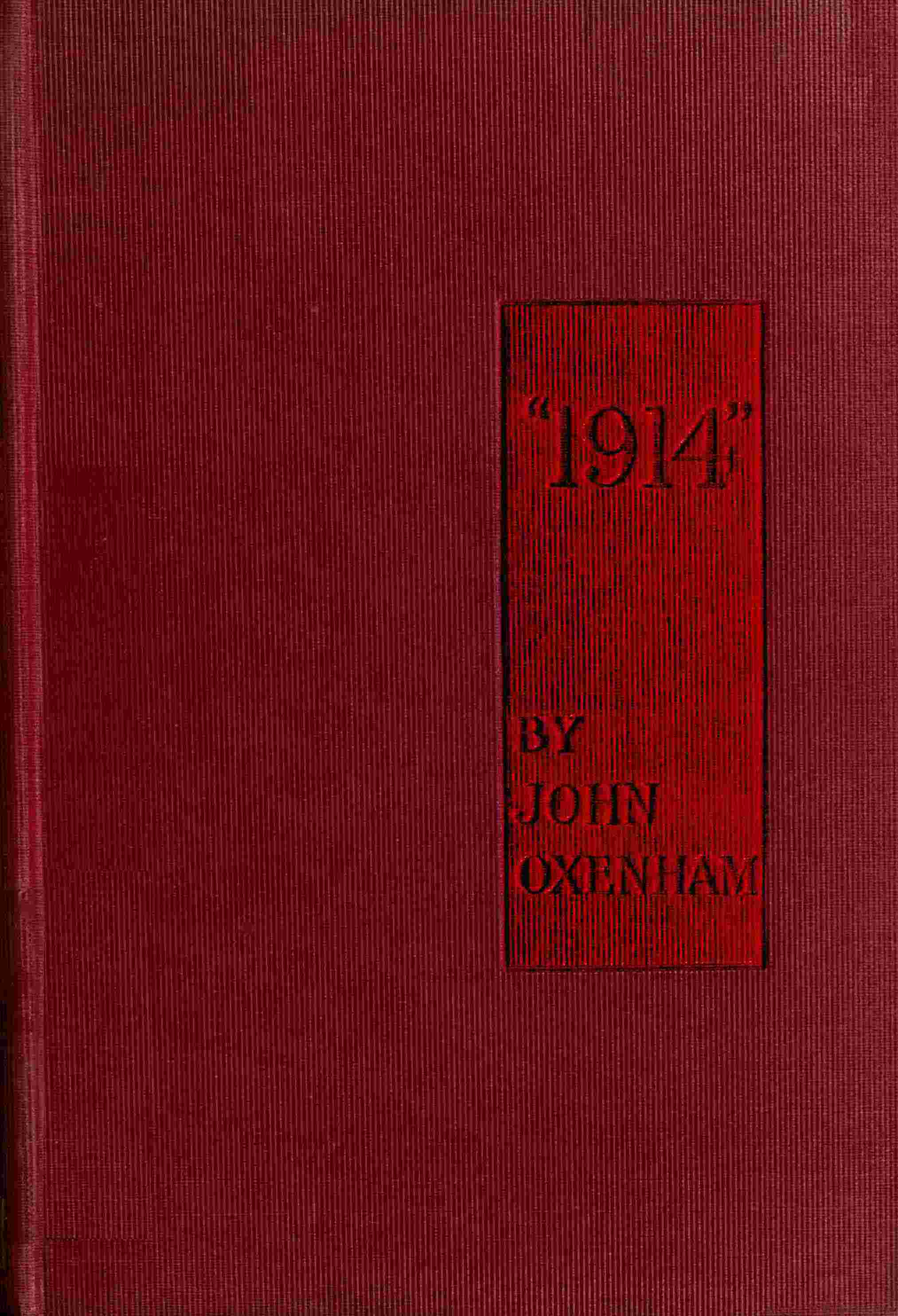 "1914"
by John Oxenham
"1914"
by John Oxenham
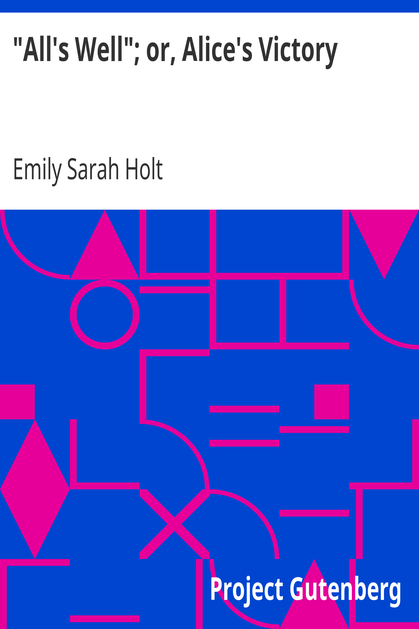 "All's Well"; or, Alice's Victory
by Emily Sarah Holt
"All's Well"; or, Alice's Victory
by Emily Sarah Holt
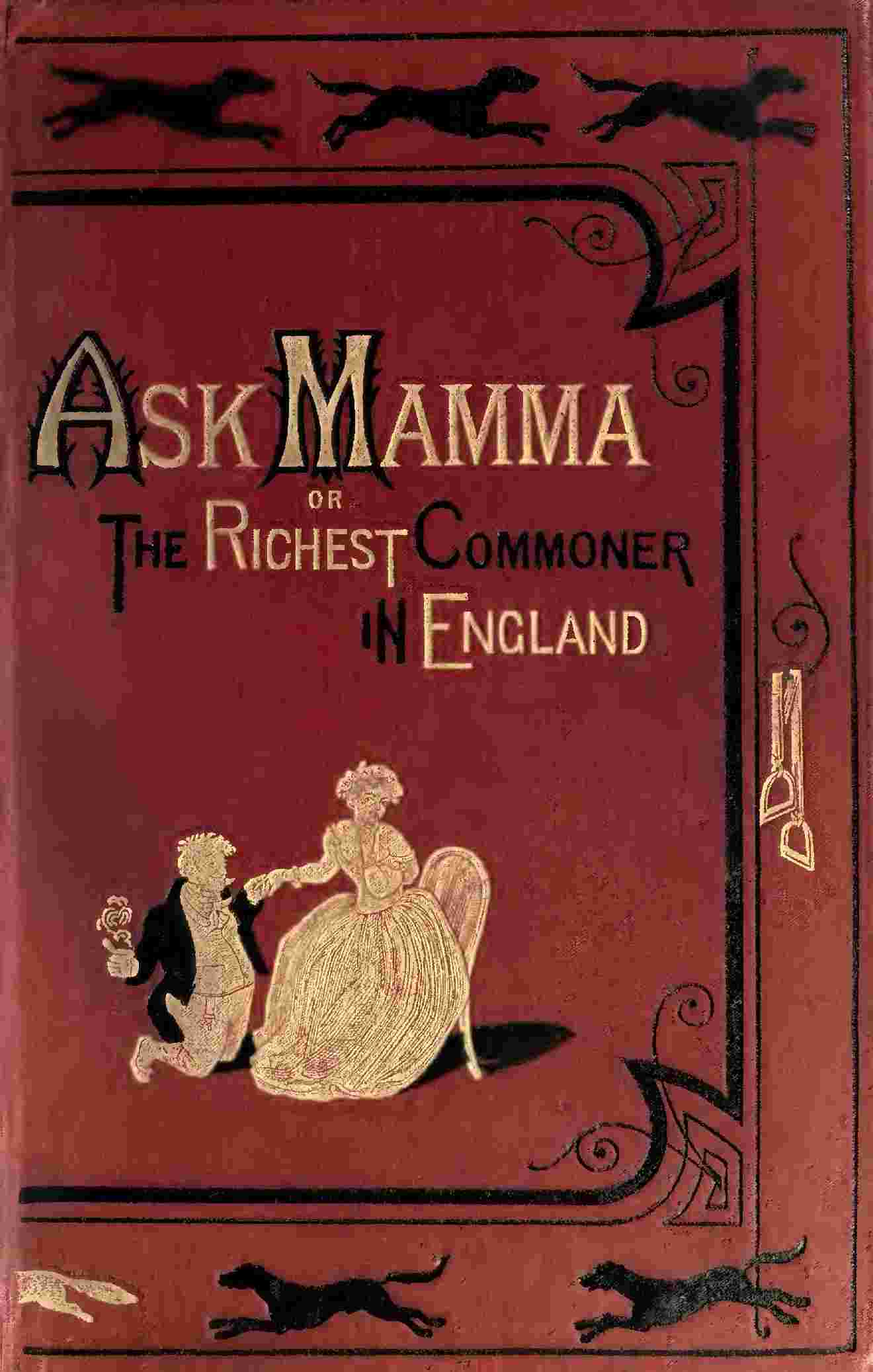 "Ask Mamma"; or, The Richest Commoner In England
by Robert Smith Surtees
"Ask Mamma"; or, The Richest Commoner In England
by Robert Smith Surtees
 "Bones": Being Further Adventures in Mr. Commissioner Sanders' Country
by Edgar Wallace
"Bones": Being Further Adventures in Mr. Commissioner Sanders' Country
by Edgar Wallace
 "Captains Courageous": A Story of the Grand Banks
by Rudyard Kipling
"Captains Courageous": A Story of the Grand Banks
by Rudyard Kipling
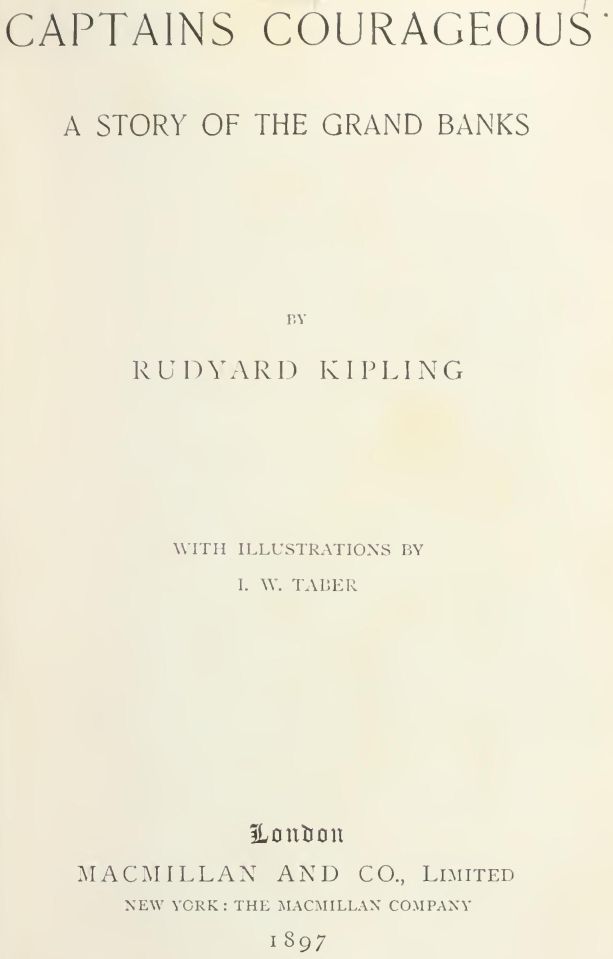 "Captains Courageous": A Story of the Grand Banks
by Rudyard Kipling
"Captains Courageous": A Story of the Grand Banks
by Rudyard Kipling