

About This Book
The author records a journey across the Balkan Peninsula and adjacent territories, combining travel anecdotes, interviews with rulers and ministers, and on-the-spot investigations into prisons, brigand bands, and sectarian violence. He analyzes competing ambitions among regional states and reviews external meddling by great powers, recounting confidential information gathered in private audiences and local inquiries. The narrative highlights human suffering in contested districts, contrasts local customs with official policy, and offers assessments of territorial aims, diplomatic intrigues, and the practical difficulties of understanding volatile political situations in the Near East.
About the Author

More Books by This Author
6 picks
 A Secret Service: Being Strange Tales of a Nihilist
by William Le Queux
A Secret Service: Being Strange Tales of a Nihilist
by William Le Queux
 A woman's debt
by William Le Queux
A woman's debt
by William Le Queux
 An Eye for an Eye
by William Le Queux
An Eye for an Eye
by William Le Queux
 As We Forgive Them
by William Le Queux
As We Forgive Them
by William Le Queux
 At the Sign of the Sword: A Story of Love and War in Belgium
by William Le Queux
At the Sign of the Sword: A Story of Love and War in Belgium
by William Le Queux
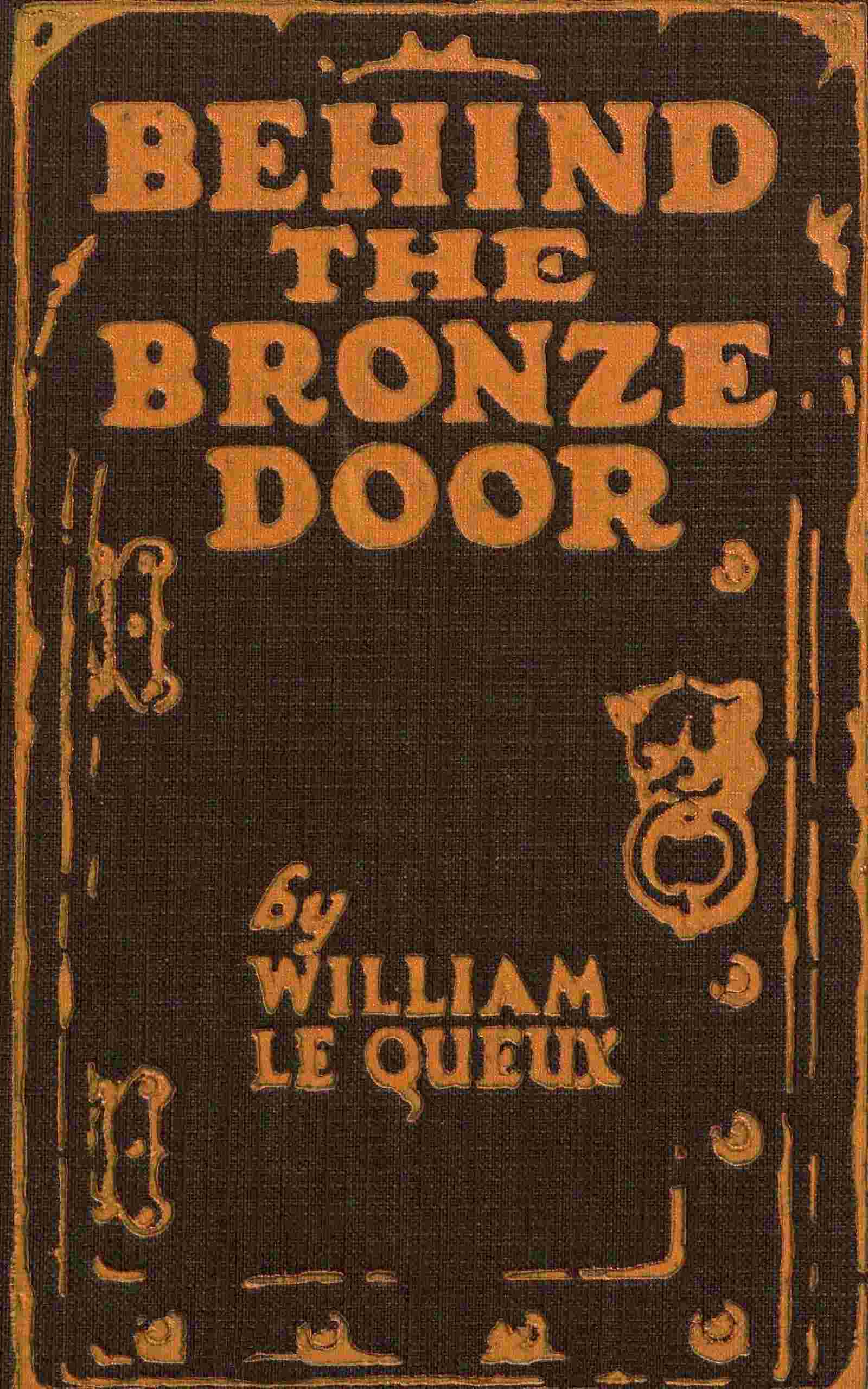 Behind the bronze door
by William Le Queux
Behind the bronze door
by William Le Queux
You May Also Like
6 picks
 "1683-1920" / The Fourteen Points and What Became of Them—Foreign Propaganda in the Public Schools—Rewriting the History of the United States—The Espionage Act and How It Worked—"Illegal and Indefensible Blockade" of the Central Powers—1,000,000 Victims of Starvation—Our Debt to France and to Germany—The War Vote in Congress—Truth About the Belgian Atrocities—Our Treaty with Germany and How Observed—The Alien Property Custodianship—Secret Will of Cecil Rhodes—Racial Strains in American Life—Germantown Settlement of 1683 and a Thousand Other Topics
by Frederick Franklin Schrader
"1683-1920" / The Fourteen Points and What Became of Them—Foreign Propaganda in the Public Schools—Rewriting the History of the United States—The Espionage Act and How It Worked—"Illegal and Indefensible Blockade" of the Central Powers—1,000,000 Victims of Starvation—Our Debt to France and to Germany—The War Vote in Congress—Truth About the Belgian Atrocities—Our Treaty with Germany and How Observed—The Alien Property Custodianship—Secret Will of Cecil Rhodes—Racial Strains in American Life—Germantown Settlement of 1683 and a Thousand Other Topics
by Frederick Franklin Schrader
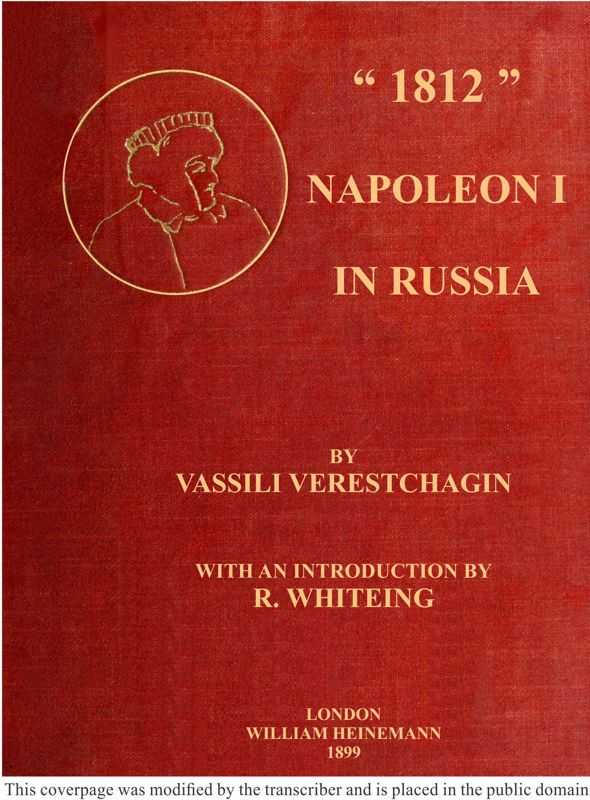 "1812"
by Vasilïĭ Vasilʹevich Vereshchagin
"1812"
by Vasilïĭ Vasilʹevich Vereshchagin
 "Barbarous Soviet Russia"
by Isaac McBride
"Barbarous Soviet Russia"
by Isaac McBride
 "Brother Bosch", an Airman's Escape from Germany
by Gerald Featherstone Knight
"Brother Bosch", an Airman's Escape from Germany
by Gerald Featherstone Knight
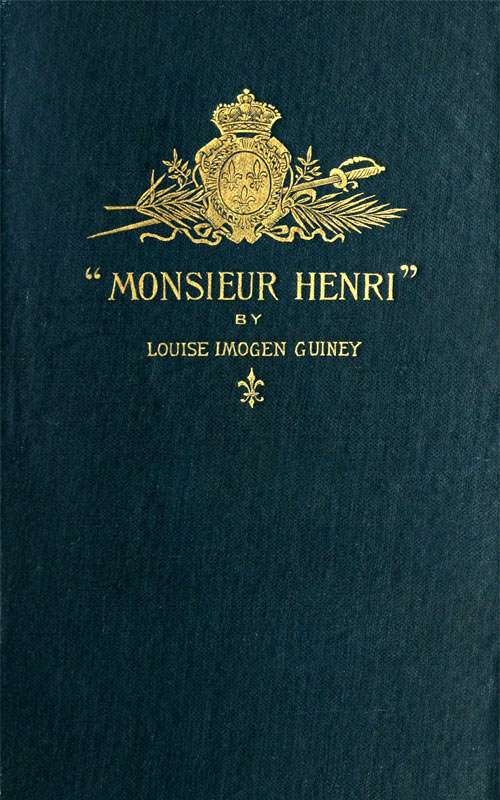 "Monsieur Henri": A Foot-Note to French History
by Louise Imogen Guiney
"Monsieur Henri": A Foot-Note to French History
by Louise Imogen Guiney
 "My country, 'tis of thee!" / Or, the United States of America; past, present and future. A philosophic view of American history and of our present status, to be seen in the Columbian exhibition.
by Willis Fletcher Johnson
"My country, 'tis of thee!" / Or, the United States of America; past, present and future. A philosophic view of American history and of our present status, to be seen in the Columbian exhibition.
by Willis Fletcher Johnson