
The total number of deceased Union soldiers during and in consequence of the war, is 316,233. Of these, only 175,764 have been identified, and the rest will probably remain for ever unknown. Of the grand total, 36,868 are known to have been prisoners of war who died in captivity. There are seventy-two National Cemeteries for the dead of the Union armies, besides which there are 320 local and Post cemeteries. The largest of the Government grounds are: Arlington, Va., the former homestead of General Robert E. Lee, 15,547 graves; Fredericksburg, Va., 15,300 graves; Salisbury, N. C., 12,112 graves; Beaufort, S. C., 10,000 graves; Andersonville, Ga., 13,706 graves; Marietta, Ga., 10,000 graves; New Orleans, La., 12,230 graves; Vicksburg, Miss., 17,012 graves; Chattanooga, Tenn., 12,964 graves; Nashville, Tenn., 16,529 graves; Memphis, Tenn., 13,958 graves; Jefferson Barracks, near St. Louis, Mo., 8,601 graves. The National Cemetery near Richmond, Va. contains 6,276 graves, of which 5,450 are of unknown dead, mostly prisoners of war. The cemeteries are kept in good condition, and are generally well sodded and planted with ornamental trees.
About This Book
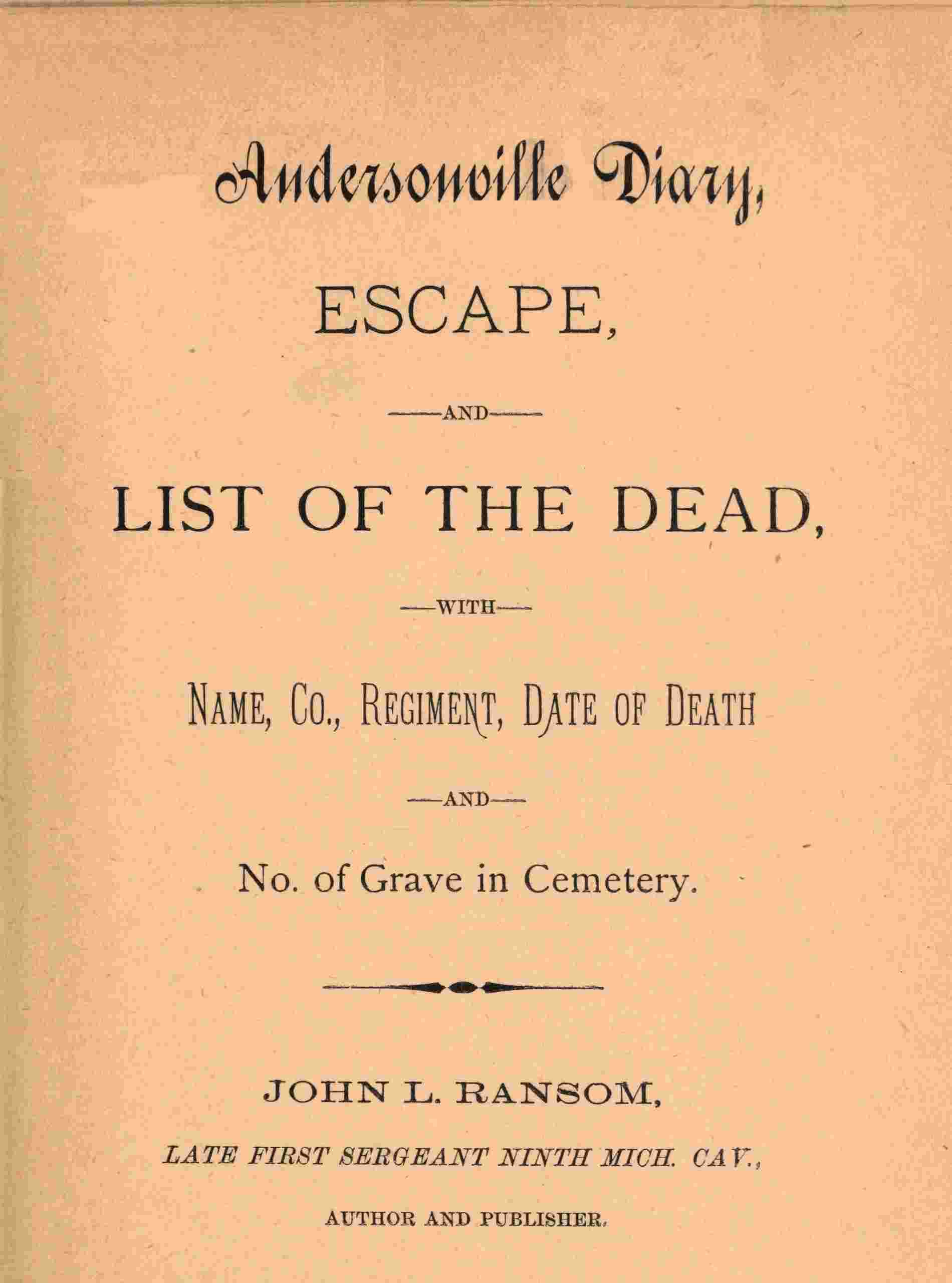
A wartime captive records his capture, movements between prison camps, and daily survival under harsh conditions, describing overcrowding, deprivation, disease, attempts at escape, prisoner resistance and discipline, hospital life, and the emotional toll of witnessing death. He gives first-person accounts of life on Belle Isle and in the notorious stockade, recounts raids, hangings, recapture and eventual successful escape, and appends practical lists and a roster of the dead compiled from official records. Entries combine diary narrative, episodic incidents, and administrative lists to document the lived experience of imprisonment and its aftermath.