

About This Book
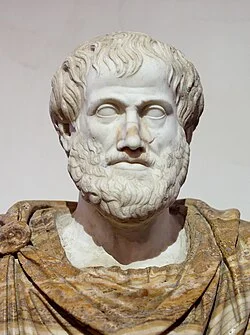
The philosopher presents an account of moral virtue as a stable disposition formed by repeated choice and habituation, defines virtue as a mean between excess and deficiency, and analyzes particular virtues (temperance, continence, intemperance, liberality, magnificence, magnanimity) and their opposites. He distinguishes voluntary from involuntary actions, examines the nature of pleasure and its relation to human flourishing, and argues that ethical well-being arises from right deliberation, balanced appetites, and the cultivation of character through practiced habits.
About the Author
More Books by This Author
6 picks




You May Also Like
6 picks
 "Old Scrooge": A Christmas Carol in Five Staves. / Dramatized from Charles Dickens' Celebrated Christmas Story.
by Charles Augustus Scott
"Old Scrooge": A Christmas Carol in Five Staves. / Dramatized from Charles Dickens' Celebrated Christmas Story.
by Charles Augustus Scott
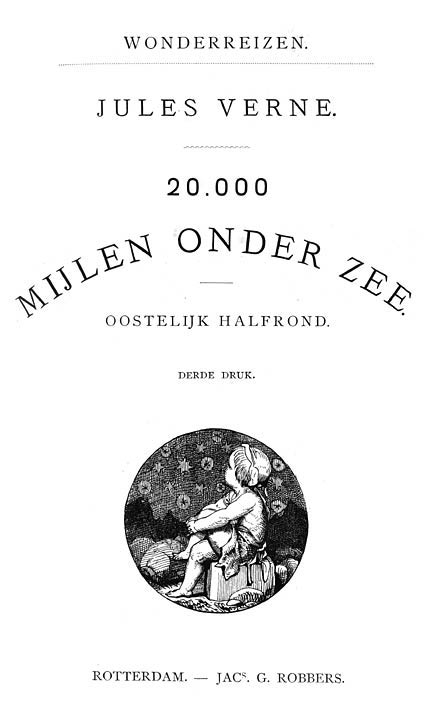 20.000 Mijlen onder Zee: Oostelijk Halfrond
by Jules Verne
20.000 Mijlen onder Zee: Oostelijk Halfrond
by Jules Verne
 20.000 Mijlen onder Zee: Westelijk Halfrond
by Jules Verne
20.000 Mijlen onder Zee: Westelijk Halfrond
by Jules Verne
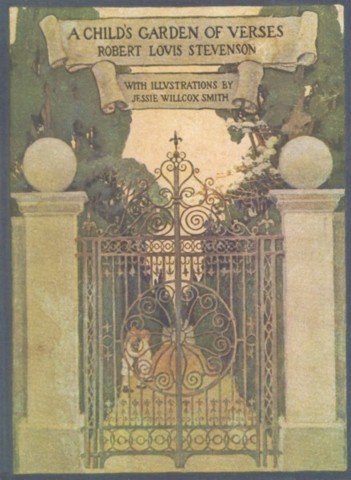 A Child's Garden of Verses
by Robert Louis Stevenson
A Child's Garden of Verses
by Robert Louis Stevenson
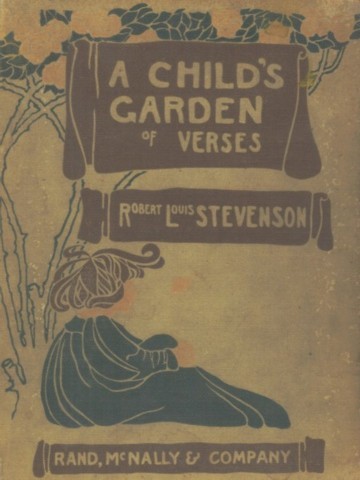 A Child's Garden of Verses
by Robert Louis Stevenson
A Child's Garden of Verses
by Robert Louis Stevenson
 A Child's Garden of Verses
by Robert Louis Stevenson
A Child's Garden of Verses
by Robert Louis Stevenson