

Ιλιάδος Ραψωδία Α: Μεταφρασθείσα εις δημοτικούς στίχους
Explore more books like this:
About This Book
An opening canto recounts a quarrel between the chief warrior and the army leader that follows the insult of a priest whose captive daughter was refused ransom, provoking a god to send a destructive plague. As the healing ritual and prophecies unfold, a seer reveals the divine cause and demands restitution; the leader refuses, the priest departs, and the wrathful warrior withdraws from the fighting. The poem stages the consequences of that withdrawal for the Achaean forces, introduces the gods' interventions, and sets themes of honor, divine will, and the human cost of pride.
About the Author

More Books by This Author
6 picks





You May Also Like
6 picks
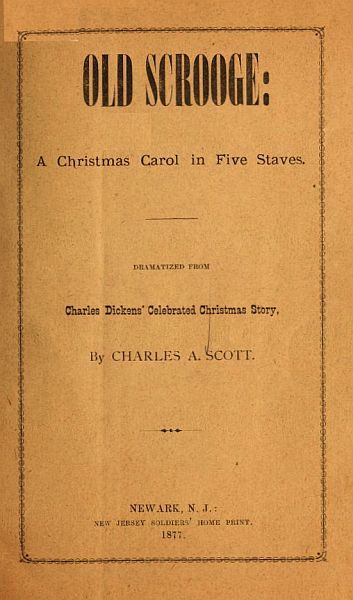 "Old Scrooge": A Christmas Carol in Five Staves. / Dramatized from Charles Dickens' Celebrated Christmas Story.
by Charles Augustus Scott
"Old Scrooge": A Christmas Carol in Five Staves. / Dramatized from Charles Dickens' Celebrated Christmas Story.
by Charles Augustus Scott
 20.000 Mijlen onder Zee: Oostelijk Halfrond
by Jules Verne
20.000 Mijlen onder Zee: Oostelijk Halfrond
by Jules Verne
 20.000 Mijlen onder Zee: Westelijk Halfrond
by Jules Verne
20.000 Mijlen onder Zee: Westelijk Halfrond
by Jules Verne
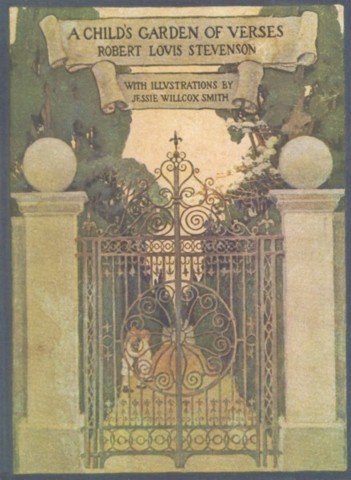 A Child's Garden of Verses
by Robert Louis Stevenson
A Child's Garden of Verses
by Robert Louis Stevenson
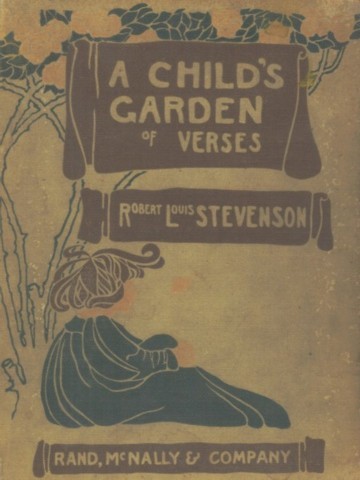 A Child's Garden of Verses
by Robert Louis Stevenson
A Child's Garden of Verses
by Robert Louis Stevenson
 A Child's Garden of Verses
by Robert Louis Stevenson
A Child's Garden of Verses
by Robert Louis Stevenson