

About This Book
A philosophical dialogue probes whether words mirror real essences or arise from social convention, weighing positions that treat names as naturally fitting against those that see meaning as arbitrary. Through Socratic inquiry and linguistic examples it examines sound origins, folk etymologies, and processes of word formation, critiques simplistic derivations, and shows how phonetic resemblance and historical change shape vocabulary. The conversation moves from concrete acoustic and morphological evidence to broader questions about correct naming, the limits of etymological explanation, and the implications of linguistic theory for how humans apprehend and describe reality.
About the Author

More Books by This Author
6 picks



You May Also Like
6 picks
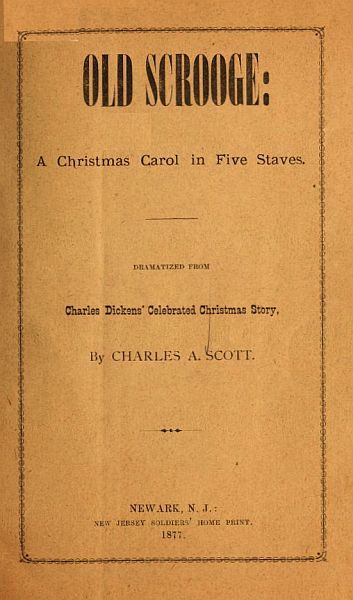 "Old Scrooge": A Christmas Carol in Five Staves. / Dramatized from Charles Dickens' Celebrated Christmas Story.
by Charles Augustus Scott
"Old Scrooge": A Christmas Carol in Five Staves. / Dramatized from Charles Dickens' Celebrated Christmas Story.
by Charles Augustus Scott
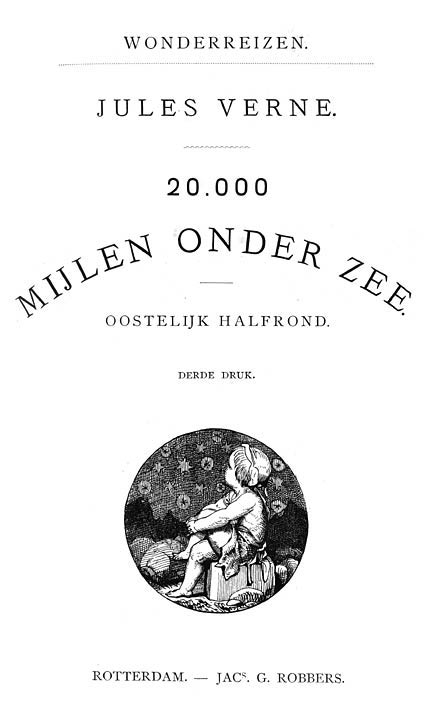 20.000 Mijlen onder Zee: Oostelijk Halfrond
by Jules Verne
20.000 Mijlen onder Zee: Oostelijk Halfrond
by Jules Verne
 20.000 Mijlen onder Zee: Westelijk Halfrond
by Jules Verne
20.000 Mijlen onder Zee: Westelijk Halfrond
by Jules Verne
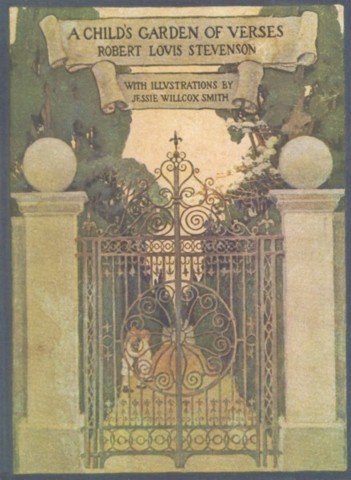 A Child's Garden of Verses
by Robert Louis Stevenson
A Child's Garden of Verses
by Robert Louis Stevenson
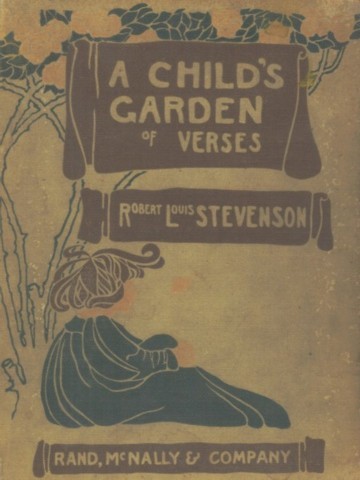 A Child's Garden of Verses
by Robert Louis Stevenson
A Child's Garden of Verses
by Robert Louis Stevenson
 A Child's Garden of Verses
by Robert Louis Stevenson
A Child's Garden of Verses
by Robert Louis Stevenson