
About This Book
A philosophical dialogue presents a detailed program of legislation for organizing a polis, treating urban planning, public architecture, and civic institutions alongside moral and educational regulation. Topics include placement of temples, markets and courts, debate over fortifications versus an integrated defensive city-ring, rules for communal meals and marriage arrangements, and responsibilities of magistrates for sanitation and enforcement. The discussion considers how law shapes private habits, the limits of individual freedom within ordered society, and the lawgiver’s duty to design institutions that cultivate virtue and public welfare, while repeatedly addressing practical difficulties of implementing ambitious reforms.
About the Author

More Books by This Author
6 picks



You May Also Like
6 picks
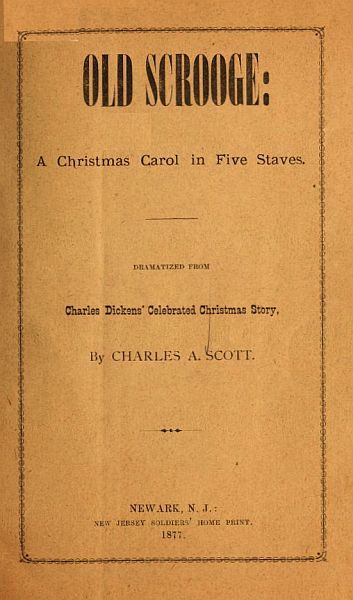 "Old Scrooge": A Christmas Carol in Five Staves. / Dramatized from Charles Dickens' Celebrated Christmas Story.
by Charles Augustus Scott
"Old Scrooge": A Christmas Carol in Five Staves. / Dramatized from Charles Dickens' Celebrated Christmas Story.
by Charles Augustus Scott
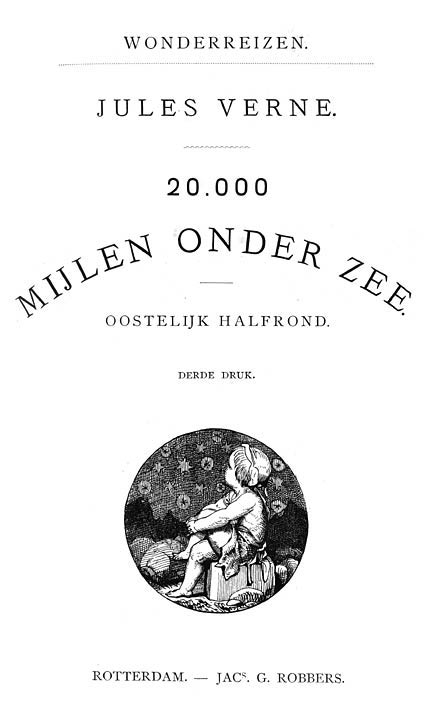 20.000 Mijlen onder Zee: Oostelijk Halfrond
by Jules Verne
20.000 Mijlen onder Zee: Oostelijk Halfrond
by Jules Verne
 20.000 Mijlen onder Zee: Westelijk Halfrond
by Jules Verne
20.000 Mijlen onder Zee: Westelijk Halfrond
by Jules Verne
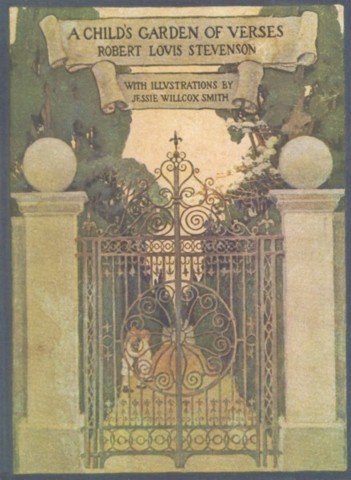 A Child's Garden of Verses
by Robert Louis Stevenson
A Child's Garden of Verses
by Robert Louis Stevenson
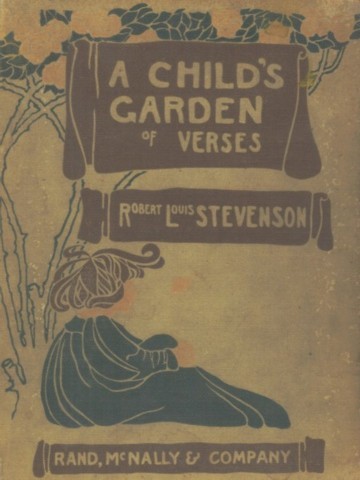 A Child's Garden of Verses
by Robert Louis Stevenson
A Child's Garden of Verses
by Robert Louis Stevenson
 A Child's Garden of Verses
by Robert Louis Stevenson
A Child's Garden of Verses
by Robert Louis Stevenson