
About This Book
A pair of philosophical dialogues sets out a lawgiver's deliberations about justice, human passions, and the structure of legal penalties. The speakers analyze how impulses such as rage, fear, and desire, together with different forms of ignorance, lead to wrongdoing, and they propose legal classifications for errors and crimes while distinguishing accidental from intentional homicide. Recommended measures include graduated sanctions, ritual purification, and mitigations for offenders impaired by age, illness, or compulsion, alongside rules for adjudication. Practical prescriptions combine moral psychology, civic education, and procedural detail to govern individual conduct and maintain public order.
About the Author

More Books by This Author
6 picks



You May Also Like
6 picks
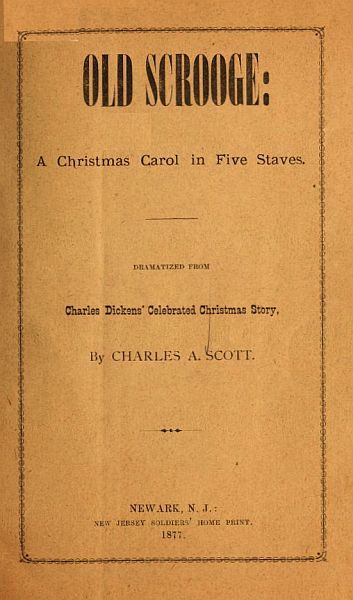 "Old Scrooge": A Christmas Carol in Five Staves. / Dramatized from Charles Dickens' Celebrated Christmas Story.
by Charles Augustus Scott
"Old Scrooge": A Christmas Carol in Five Staves. / Dramatized from Charles Dickens' Celebrated Christmas Story.
by Charles Augustus Scott
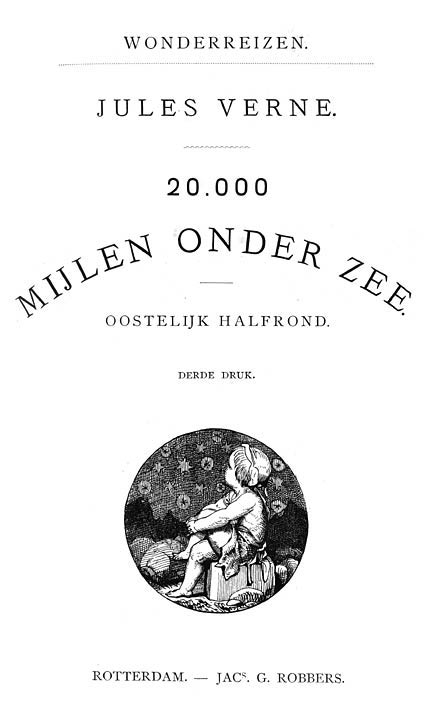 20.000 Mijlen onder Zee: Oostelijk Halfrond
by Jules Verne
20.000 Mijlen onder Zee: Oostelijk Halfrond
by Jules Verne
 20.000 Mijlen onder Zee: Westelijk Halfrond
by Jules Verne
20.000 Mijlen onder Zee: Westelijk Halfrond
by Jules Verne
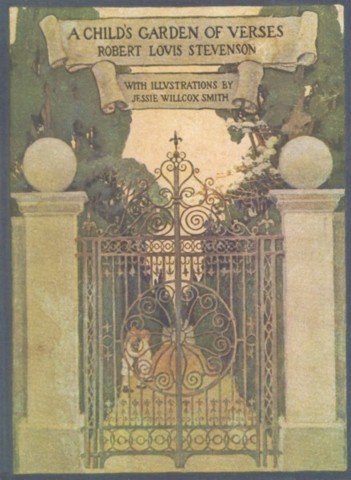 A Child's Garden of Verses
by Robert Louis Stevenson
A Child's Garden of Verses
by Robert Louis Stevenson
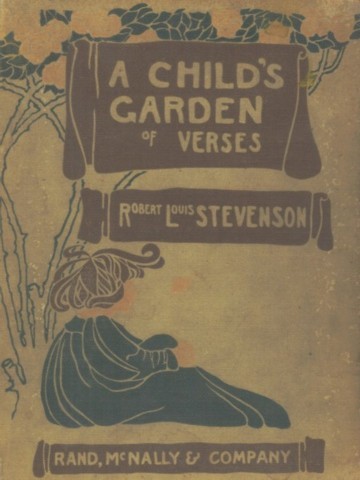 A Child's Garden of Verses
by Robert Louis Stevenson
A Child's Garden of Verses
by Robert Louis Stevenson
 A Child's Garden of Verses
by Robert Louis Stevenson
A Child's Garden of Verses
by Robert Louis Stevenson