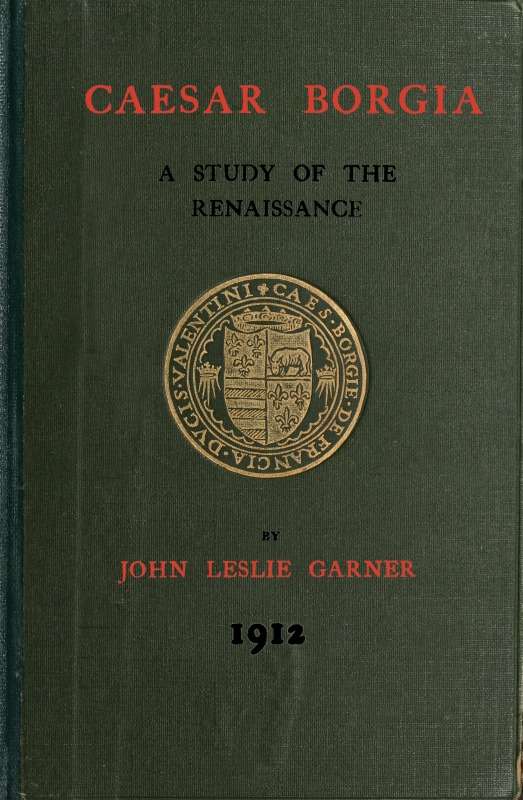
The author analyzes the life and career of a Renaissance prince whose ambition and violence, supported by a papal father, illustrate the endemic egoism and dynastic opportunism of fifteenth-century Italy. Combining biographical detail with political and economic interpretation, the study situates the subject among contemporary tyrants, examines methods of conquest—nepotism, extortion, treachery—and considers interpretations by thinkers such as Machiavelli. It treats the figure as a psychological product of his age, questions the great-man model of history, and argues that gains won by force and fraud were unstable and ultimately subordinate to broader social and institutional forces.