
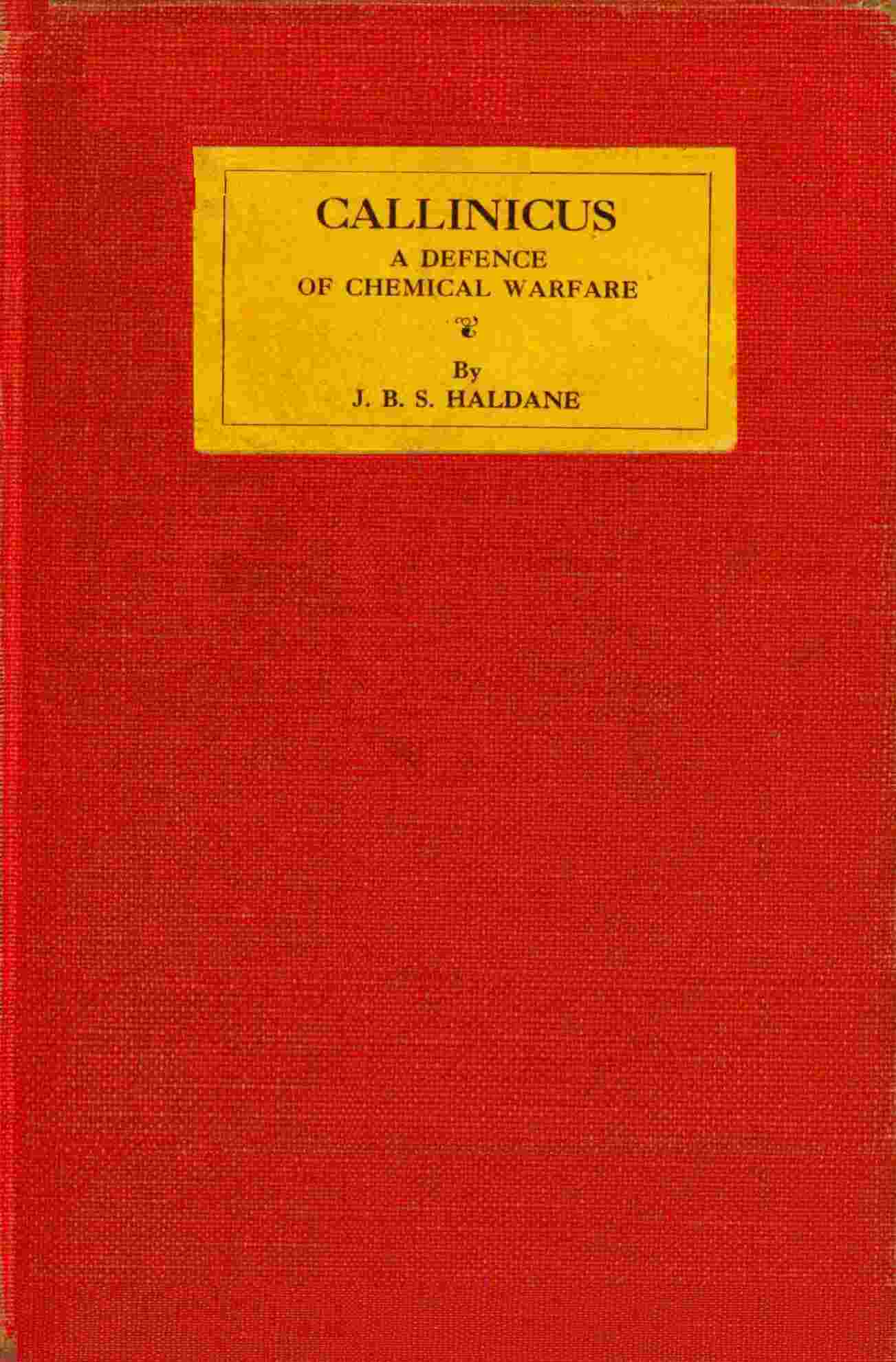
About This Book
A scientist argues that chemical weapons merit sober evaluation and preparedness rather than moral rejection, tracing their historical antecedents and legal restrictions, summarizing World War I experience, classifying agents by physiological effect and protective measures, and critiquing pacifist and political responses. He emphasizes scientific study of war's causes, discusses Hague Convention limits and methods of deployment, explains differences among respiratory poisons, lachrymators, and arsenical smokes, and considers their military utility and ethical implications while urging national readiness and technical understanding to inform policy.
About the Author
More Books by This Author
1 picks
You May Also Like
6 picks
 "1812"
by Vasilïĭ Vasilʹevich Vereshchagin
"1812"
by Vasilïĭ Vasilʹevich Vereshchagin
 "Bethink Yourselves!"
by graf Leo Tolstoy
"Bethink Yourselves!"
by graf Leo Tolstoy
 "Brother Bosch", an Airman's Escape from Germany
by Gerald Featherstone Knight
"Brother Bosch", an Airman's Escape from Germany
by Gerald Featherstone Knight
 "Co. Aytch," Maury Grays, First Tennessee Regiment / Or, A Side Show of the Big Show
by Samuel R. Watkins
"Co. Aytch," Maury Grays, First Tennessee Regiment / Or, A Side Show of the Big Show
by Samuel R. Watkins
 "Crumps", The Plain Story of a Canadian Who Went
by Louis Keene
"Crumps", The Plain Story of a Canadian Who Went
by Louis Keene
 "De Bello Gallico" and Other Commentaries
by Julius Caesar
"De Bello Gallico" and Other Commentaries
by Julius Caesar