
A Cape for All Seasons
Majestically eroded, the great glacial bluffs of Cape Cod’s outer beach rise from the open Atlantic, separating the ocean from Cape Cod Bay. Its many-colored sands and clays flow grain by grain, or in sudden shelving slabs, to replenish the shore below. The beach, broad and gently sloping in summer, short and steep in winter, arcs northward for more than 20 miles, giving the walker a curved prospect two or three miles ahead at most. And always, coming onto the shore and reforming it, with measured cadences in calm weather, with awesome fury during northeast gales, is the sea. Here, as Henry Beston put it, “the ocean encounters the last defiant bulwark of two worlds.” There is no other landscape like it anywhere.
Cape Cod holds a special place in America’s landscape, history, and collective imagination. As the world’s largest glacial peninsula, it juts farther out into the Atlantic Ocean than any other part of the United States. It was one of the earliest landfalls of the European explorers in the 16th and 17th centuries. Its purported identity as the “Wonderstrand” of the Viking sagas remains apocryphal, but it was—as every Cape Codder will be quick to tell you—indisputably the first landing place of the Mayflower Pilgrims in 1620, and it became one of the oldest settled areas in the country.
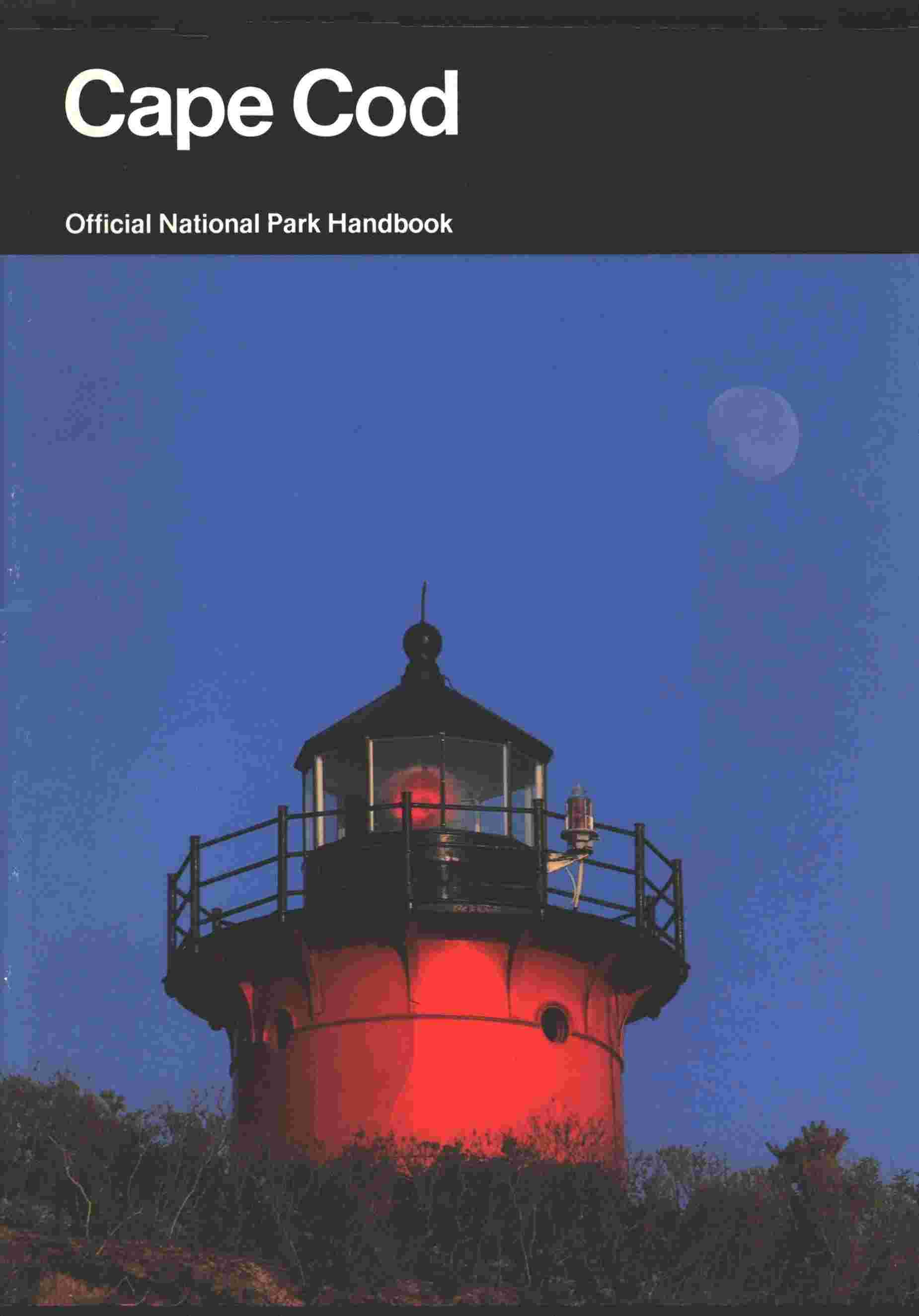
Cape Codders early on took to the sea with a will, and they have never relinquished it. Over the centuries there developed on this thin peninsula a unique maritime way of life that has produced some of the most familiar objects and images in American culture. They include that durable architectural form, the Cape Cod house; indigenous nautical designs such as the Cape Cod catboat; tools like the quahog bullrake; and such functional folk art as carved bird decoys. Cape Cod bogs produced the first commercial cranberries, that traditional part of our Thanksgiving celebrations. The Cape’s villages, low hills, and sandy shores are still dotted with gray shingled windmills, looking like ungainly landbound ships, whose great sheeted arms once ground corn and pumped seawater for the making of salt; tall lighthouses that stand sentry on bold eroding sea cliffs and at the entrances to low, protected harbors; stately sea captains’ houses with roofs crowned with “widows walks” and yard gates framed by arched whale jaws; and, from local wharves and piers, fleets of colorful boats manned by fishermen who continue to go out to harvest the sea as they have for centuries.
Fishermen’s floats, weathered-shingled boathouses, and catboats—Cape Cod’s coves reflect its seafaring traditions.
Perhaps the most enduring image of all, however, is that of the legendary “Cape Codder” himself. He appears in many guises: as a Portuguese “banker” fisherman trawling for cod in a small dory off the Georges Banks; a Truro “mooncusser” salvaging the booty from an 18th-century pirate ship wrecked on the Cape’s “backside;” a Wampanoag Indian gathering alewives, or migratory herring, in spring to plant with her corn; a Wellfleet whaler casting his harpoon at a right whale in the icy Arctic seas; a Yankee clipper ship skipper from Brewster or Dennis helping to open up the China Trade or setting a transoceanic sailing record that still stands today; a Cape Verdean girl picking ripe wine-colored cranberries in the long rows of a Harwich bog; a Chatham Life Saving Serviceman pulling his surfboat through a fierce January gale to make a daring rescue of the crew of a vessel grounded on one of the Cape’s treacherous shoals; a Provincetown rum-runner in his weather-beaten dragger eluding a Coast Guard cutter in the fog; an “old salt” in sou’wester and knee boots spinning yarns in Barnstable or Rock Harbor.
These and other versions of the protean Cape Codder have been celebrated and recorded in story and song since the founding of this country and have become a part of our history and folklore. In fact, few if any rural areas of comparable size have been written, painted, and sung about so richly over the years as the Cape landscape and its inhabitants.