
WeRead Powered by ReaderPub
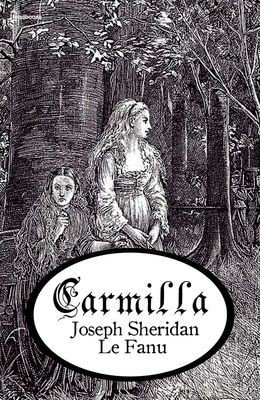
Carmilla cover

Carmilla

Chapter 1: Carmilla
Open in WeRead

About This Book

The narrator, raised in a remote family residence, recounts how a beguiling young woman becomes an intimate guest and slowly saps the narrator's strength through mysterious nocturnal visits. Strange illnesses and deaths among nearby residents lead to mounting fear and investigation; a learned physician frames the occurrences as the work of a predatory supernatural being linked to an ancestral wound. The story traces the gathering of evidence, a search into local legend, and a final ordeal that confronts and destroys the menace. Told as a framed personal narrative with medico-legal commentary, the account emphasizes Gothic atmosphere, ambiguous desire, and the porous boundary between rational inquiry and uncanny terror.

The Project Gutenberg eBook of Carmilla

This ebook is for the use of anyone anywhere in the United States and most other parts of the world at no cost and with almost no restrictions whatsoever. You may copy it, give it away or re-use it under the terms of the Project Gutenberg License included with this ebook or online at www.gutenberg.org. If you are not located in the United States, you will have to check the laws of the country where you are located before using this eBook.

Title: Carmilla

Author: Joseph Sheridan Le Fanu

Release date: November 1, 2003 [eBook #10007]
Most recently updated: October 28, 2024

Language: English

Credits: Suzanne Shell, Sjaani and PG Distributed Proofreaders

*** START OF THE PROJECT GUTENBERG EBOOK CARMILLA ***

Carmilla

by Joseph Sheridan Le Fanu

Copyright 1872


Contents

PROLOGUE
CHAPTER I. An Early Fright
CHAPTER II. A Guest
CHAPTER III. We Compare Notes
CHAPTER IV. Her Habits—A Saunter
CHAPTER V. A Wonderful Likeness
CHAPTER VI. A Very Strange Agony
CHAPTER VII. Descending
CHAPTER VIII. Search
CHAPTER IX. The Doctor
CHAPTER X. Bereaved
CHAPTER XI. The Story
CHAPTER XII. A Petition
CHAPTER XIII. The Woodman
CHAPTER XIV. The Meeting
CHAPTER XV. Ordeal and Execution
CHAPTER XVI. Conclusion