

Chaucer's Translation of Boethius's "De Consolatione Philosophiae"
Explore more books like this:
About This Book
An imprisoned man facing imminent execution engages in a sustained dialogue with a personified Philosophy, alternating prose and verse to examine fortune, happiness, fate, free will, and divine providence. The exchange shifts from lament to reasoned consolation, arguing that true good resides in the soul’s alignment with a transcendent order, that misfortune can reveal and test virtue, and that worldly power and wealth are transient. Interpolated poems punctuate the argument with lyrical meditation on cosmic order, the soul’s condition, and the movement from despair toward philosophical acceptance.
About the Author
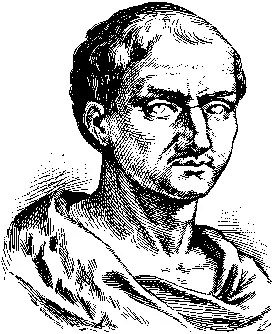
More Books by This Author
3 picks



You May Also Like
6 picks
 "1914"
by John Oxenham
"1914"
by John Oxenham
 "All's Well"; or, Alice's Victory
by Emily Sarah Holt
"All's Well"; or, Alice's Victory
by Emily Sarah Holt
 "Ask Mamma"; or, The Richest Commoner In England
by Robert Smith Surtees
"Ask Mamma"; or, The Richest Commoner In England
by Robert Smith Surtees
 "Bones": Being Further Adventures in Mr. Commissioner Sanders' Country
by Edgar Wallace
"Bones": Being Further Adventures in Mr. Commissioner Sanders' Country
by Edgar Wallace
 "Captains Courageous": A Story of the Grand Banks
by Rudyard Kipling
"Captains Courageous": A Story of the Grand Banks
by Rudyard Kipling
 "Captains Courageous": A Story of the Grand Banks
by Rudyard Kipling
"Captains Courageous": A Story of the Grand Banks
by Rudyard Kipling