
| PAGE | |
| A Temple of Healing | Frontispiece |
| A Chinese Ritz | 40 |
| Yen Hsi Shan, Statesman | 48 |
| Temple of Heaven and Hell, Workhouse | 56 |
| The Pilgrim Way, Yünnanfu Lake | 72 |
| In Cloudland | 72 |
| The Gate of the Elements | 80 |
| “Lonely I Stand on the Loneliest Hill-top” | 96 |
| Robbers’ Haunts | 104 |
| Light for the Spirits | 112 |
| Little Flowery Miao Coat | 120 |
| Ancient I-chia Script | 128 |
| Great Flowery Miao | 136 |
| A Roadside Restaurant | 136 |
| A Man of Mark | 160 |
| A Chinese Leader of Thought | 176 |
|
“Nor soul helps body more
Than body soul.”
|
184 |
|
“Girls,
Knowledge is now no more a fountain seal’d:
Drink deep.”
|
184 |
| Storm-driven Boats | 208 |
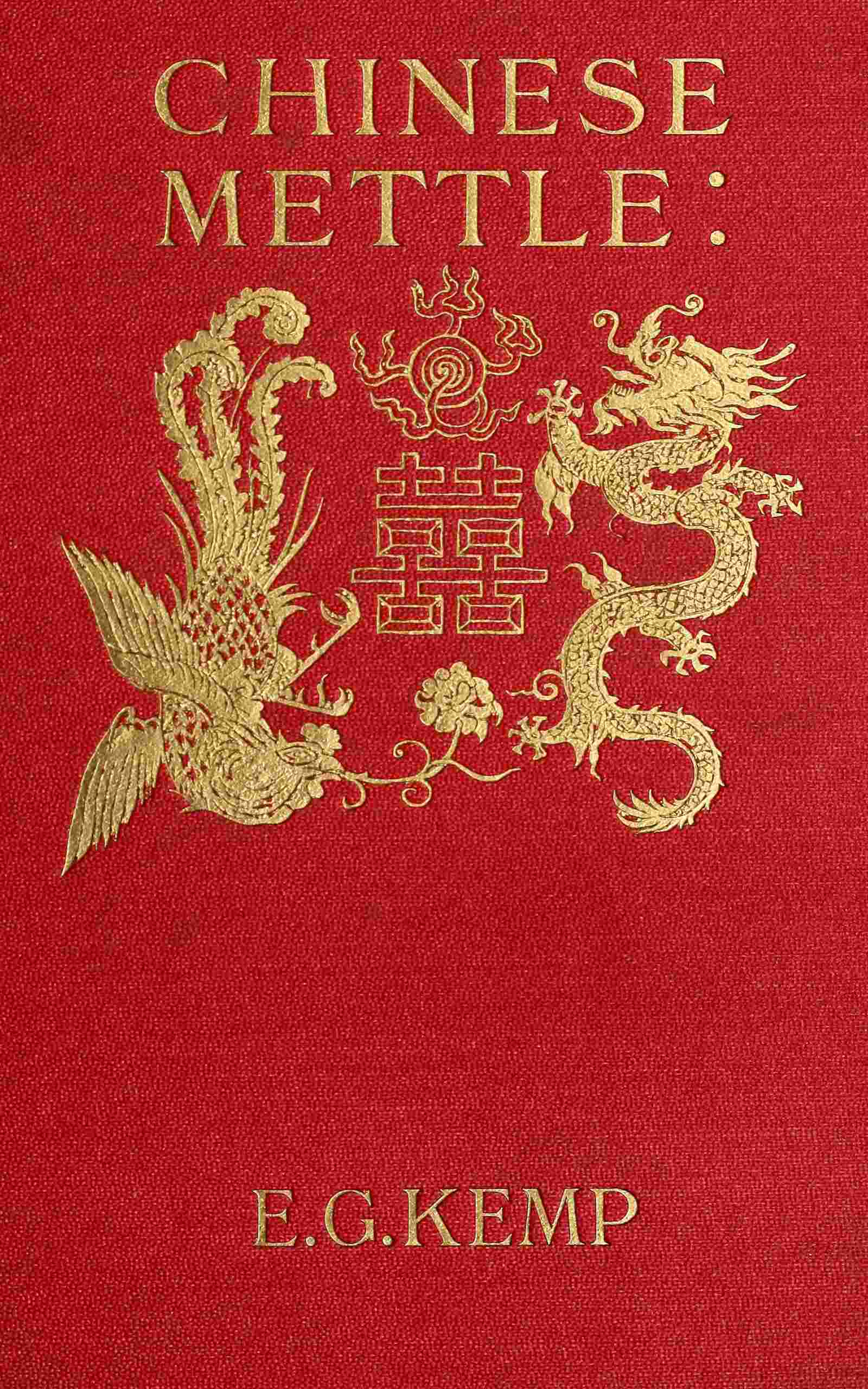
About This Book
A series of travel sketches through many Chinese provinces combines landscape description, travel narrative, and social reportage to portray daily life, industries, missionary activity, and local institutions. The author documents journeys by rail, river, and road, noting scenery, inns, and transport, and recounts encounters with brigandry, opium cultivation, mining, agriculture, and sericulture. One chapter profiles a reform-minded provincial governor and his public works, prisons, and relief efforts. Extended ethnographic passages describe hill tribes’ dress, customs, language, rituals, and crafts. Illustrated vignettes and administrative observations together present a snapshot of a society undergoing transition toward modernizing institutions.