

About This Book
Told through letters, the narrative traces the ordeal of a virtuous young woman as family pressure and a determined seducer produce a prolonged moral and psychological struggle. Correspondence among relatives, friends, and adversaries records attempts at control, manipulation, failed alliances, and the heroine's anguished resistance, while the seducer pursues revenge and escalating immorality. The epistolary form creates close psychological realism and dramatic immediacy, allowing competing voices to reveal motives and consequences. Themes include personal autonomy, sexual politics, conscience, repentance, and the moral costs of pride and manipulation, culminating in a tragic resolution that emphasizes ethical reflection over neat reconciliation.
About the Author

More Books by This Author
 Clarissa Harlowe; or the history of a young lady — Volume 1
by Samuel Richardson
Clarissa Harlowe; or the history of a young lady — Volume 1
by Samuel Richardson
 Clarissa Harlowe; or the history of a young lady — Volume 2
by Samuel Richardson
Clarissa Harlowe; or the history of a young lady — Volume 2
by Samuel Richardson
 Clarissa Harlowe; or the history of a young lady — Volume 3
by Samuel Richardson
Clarissa Harlowe; or the history of a young lady — Volume 3
by Samuel Richardson
 Clarissa Harlowe; or the history of a young lady — Volume 4
by Samuel Richardson
Clarissa Harlowe; or the history of a young lady — Volume 4
by Samuel Richardson
 Clarissa Harlowe; or the history of a young lady — Volume 5
by Samuel Richardson
Clarissa Harlowe; or the history of a young lady — Volume 5
by Samuel Richardson
 Clarissa Harlowe; or the history of a young lady — Volume 6
by Samuel Richardson
Clarissa Harlowe; or the history of a young lady — Volume 6
by Samuel Richardson
You May Also Like
 "1914"
by John Oxenham
"1914"
by John Oxenham
 "All's Well"; or, Alice's Victory
by Emily Sarah Holt
"All's Well"; or, Alice's Victory
by Emily Sarah Holt
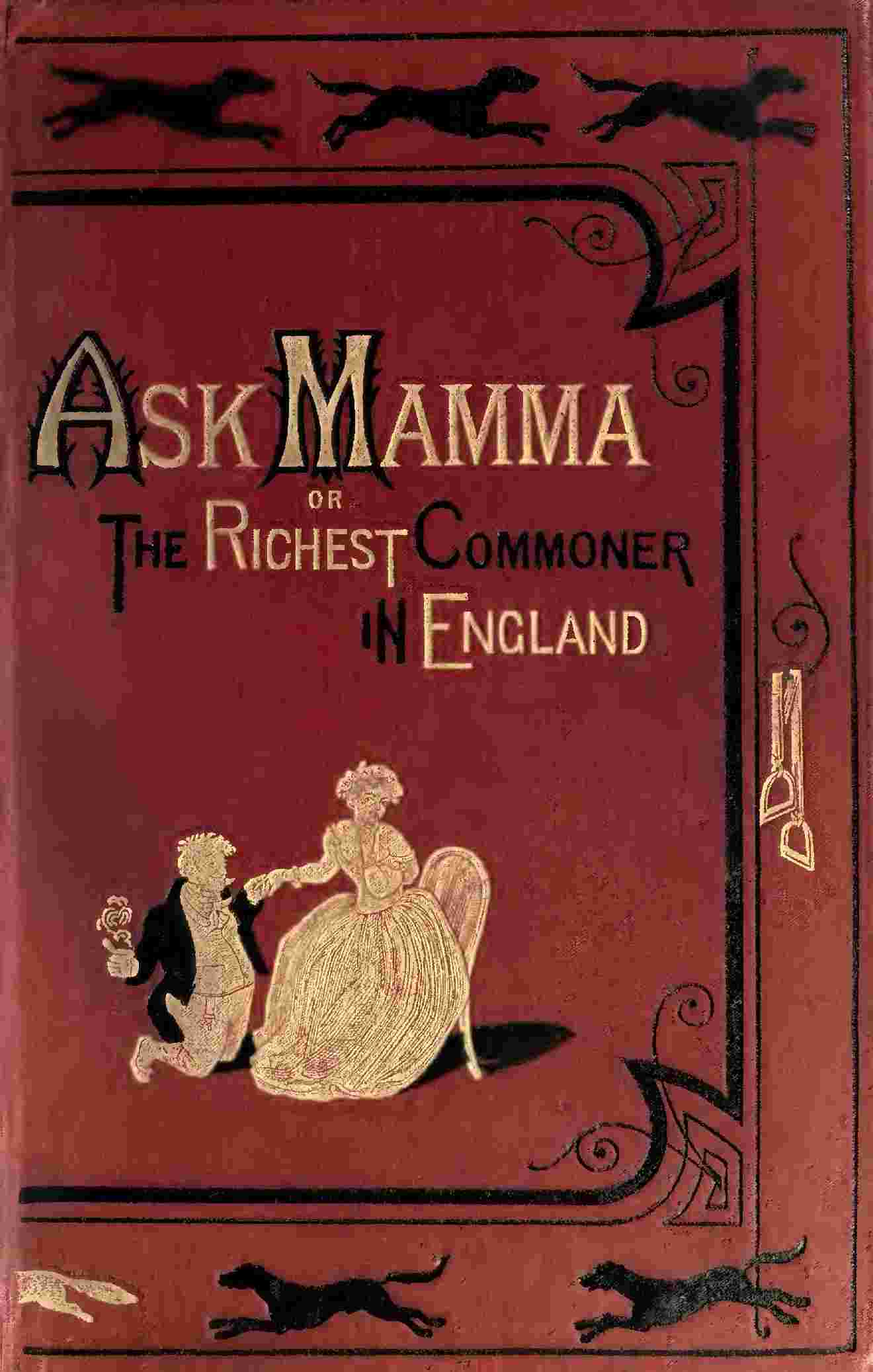 "Ask Mamma"; or, The Richest Commoner In England
by Robert Smith Surtees
"Ask Mamma"; or, The Richest Commoner In England
by Robert Smith Surtees
 "Bones": Being Further Adventures in Mr. Commissioner Sanders' Country
by Edgar Wallace
"Bones": Being Further Adventures in Mr. Commissioner Sanders' Country
by Edgar Wallace
 "Captains Courageous": A Story of the Grand Banks
by Rudyard Kipling
"Captains Courageous": A Story of the Grand Banks
by Rudyard Kipling
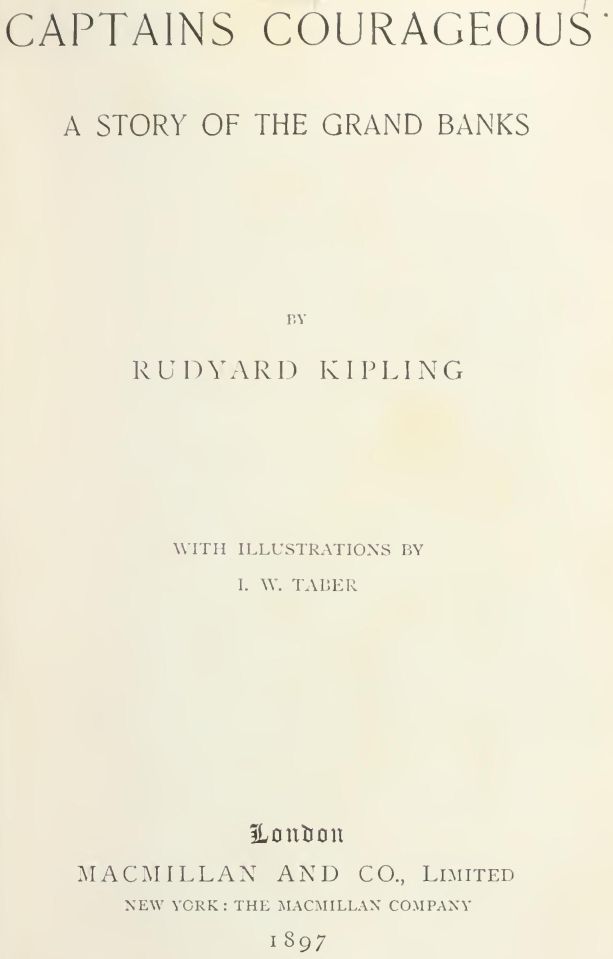 "Captains Courageous": A Story of the Grand Banks
by Rudyard Kipling
"Captains Courageous": A Story of the Grand Banks
by Rudyard Kipling