
WeRead Powered by ReaderPub
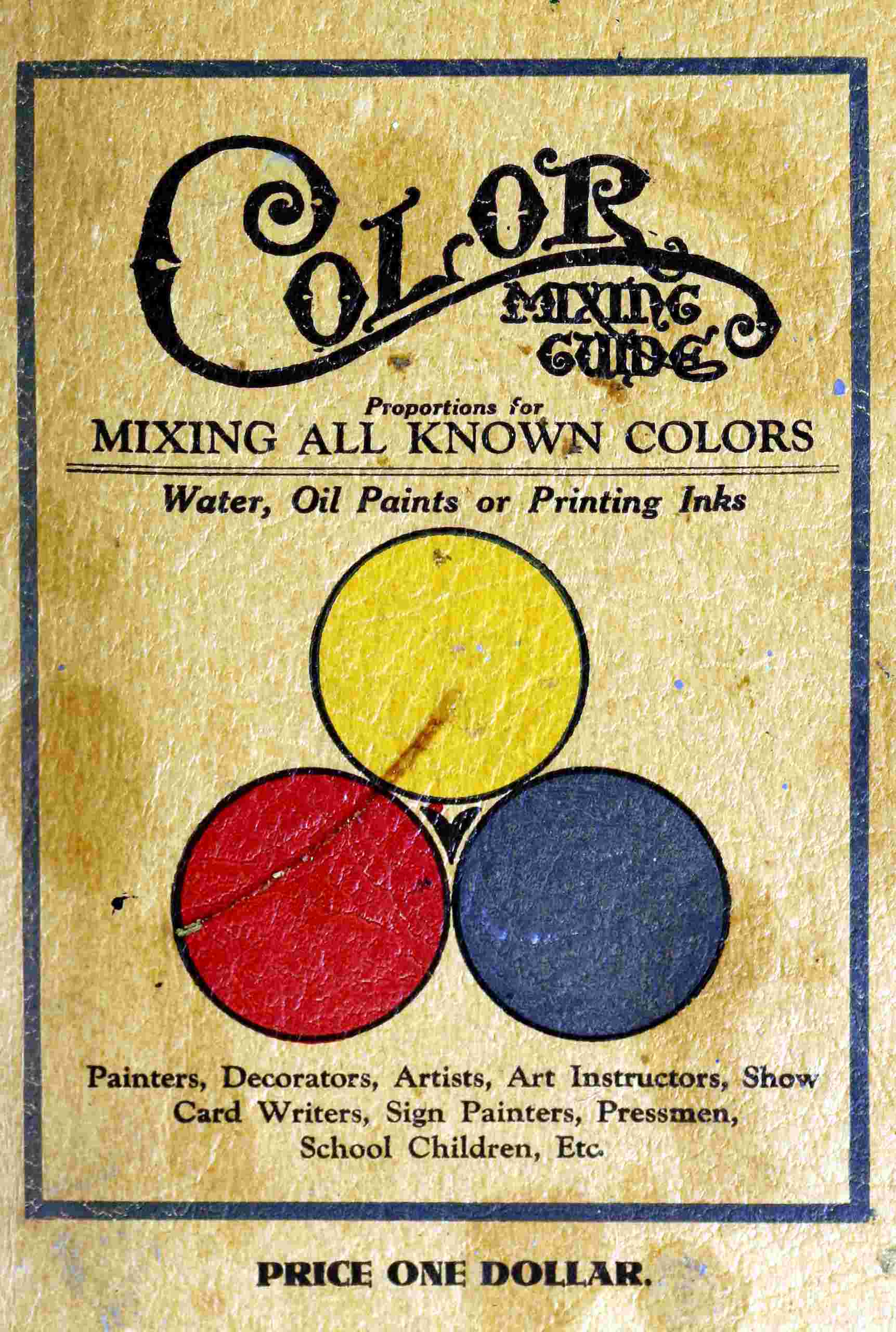
Color mixing guide / For artists, painters, decorators, printing pressmen, show card writers, sign painters, color mixers. Gives color mixtures by parts cover

Color mixing guide / For artists, painters, decorators, printing pressmen, show card writers, sign painters, color mixers. Gives color mixtures by parts

Chapter 6: THE TWO EXTREMES OF WARM AND COLD
Open in WeRead

Explore more books like this:

About This Book

The manual explains color as an effect of light and presents yellow, red and blue as primary pigments from which secondary and tertiary hues are produced. It provides practical mixing rules and proportions for obtaining tints, shades, warm and cool variations, and advises how to lighten, deepen or neutralize colors using white, black and complementary tones. The text distinguishes organic and inorganic pigments, discusses sources and the role of mordants, and offers selection guidance for applied trades. It notes color-blindness as an occupational consideration and highlights color harmony, recommending nature as a model for balanced combinations.

THE TWO EXTREMES OF WARM AND COLD

Vermilion or any other red of orange hue (warm). Bluish blue (cold). These two colors mixed together in certain proportions form light brown, dark brown, red-brown, neutral brown and scarlet red. Purple made from this combination is inferior.