
About This Book
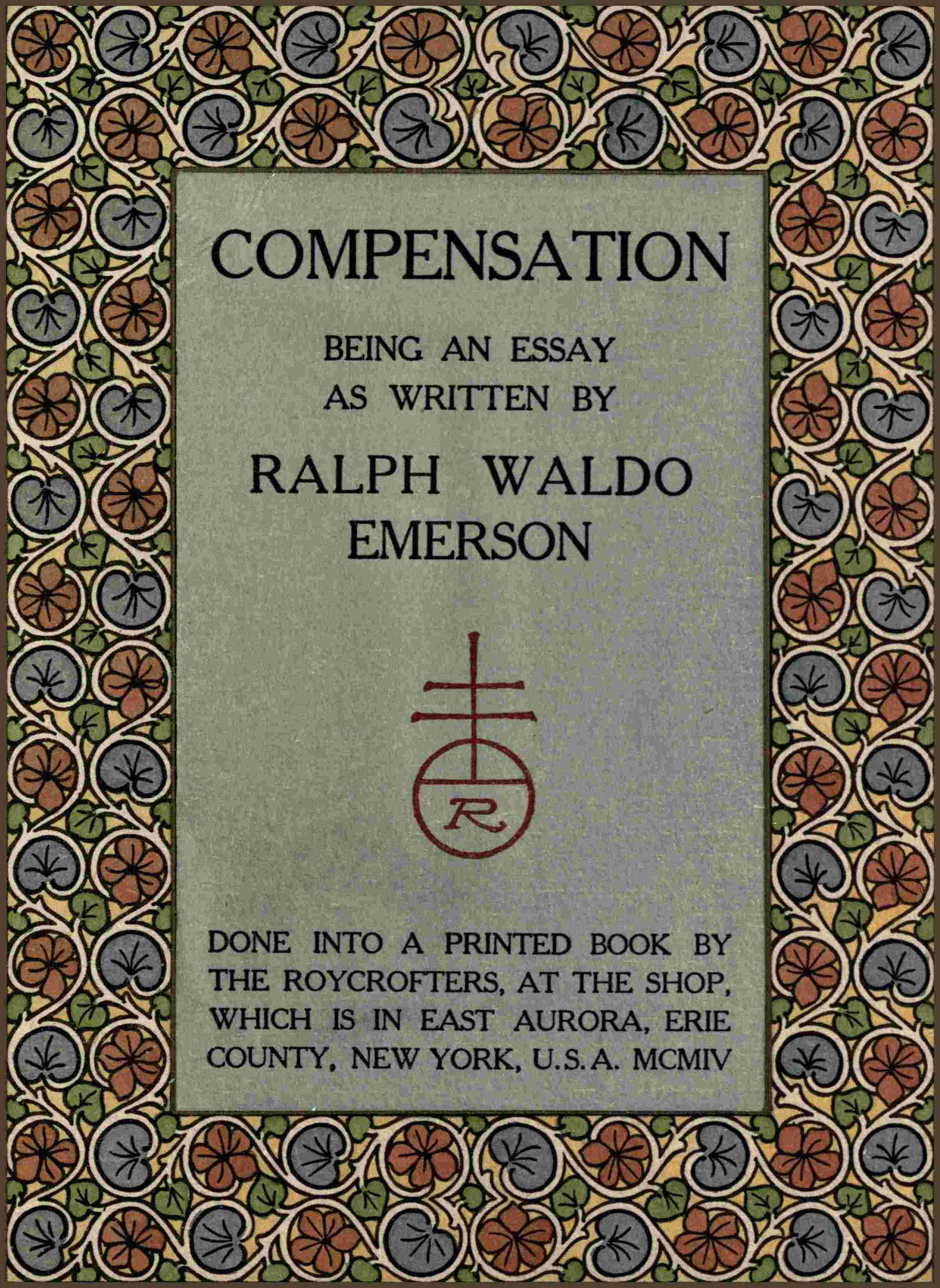
An essay argues that a universal law of balance governs nature and human affairs, returning consequences for excess and defect. It catalogs instances of polarity—dark and light, heat and cold, biological trade-offs and mechanical losses—to show that gains carry offsetting losses. Applied to morals and society, the principle accounts for why wealth, power, talent, or pleasure bring countervailing penalties or duties and why apparent injustices tend to be equalized over time. The author rejects doctrines that defer justice beyond life, insisting moral equilibrium operates now through character and will. The overall message urges moderation and warns that nature resists monopolies by imposing costs on every advantage.
About the Author

More Books by This Author
6 picks



You May Also Like
6 picks
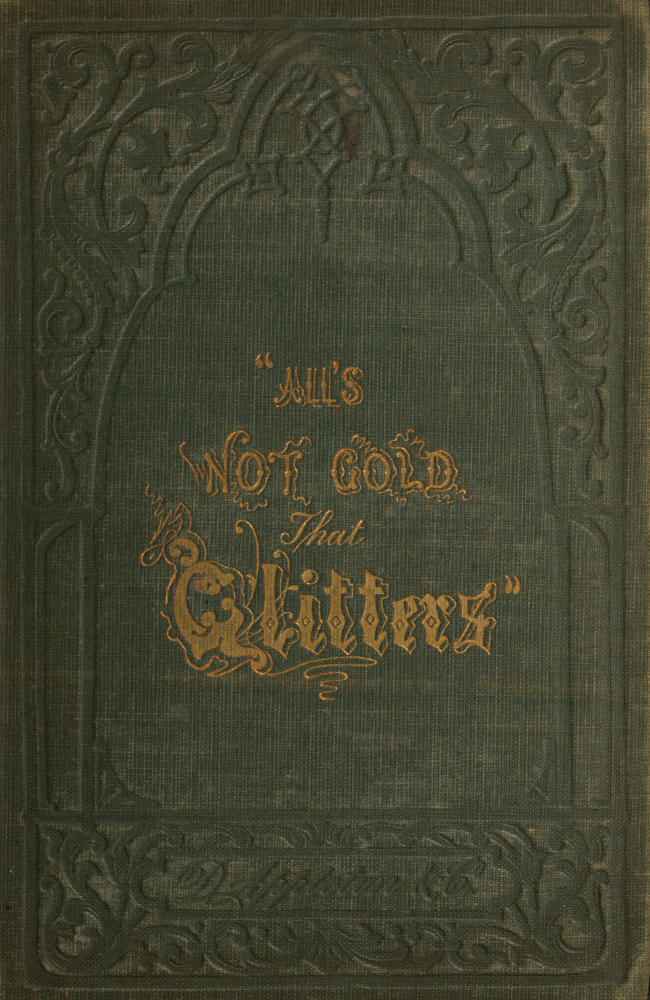 "All's not Gold that Glitters;" or, The Young Californian
by Alice B. Haven
"All's not Gold that Glitters;" or, The Young Californian
by Alice B. Haven
 "Bring Me His Ears"
by Clarence Edward Mulford
"Bring Me His Ears"
by Clarence Edward Mulford
 "Browne's Folly" / (From: "The Doliver Romance and Other Pieces: Tales and Sketches")
by Nathaniel Hawthorne
"Browne's Folly" / (From: "The Doliver Romance and Other Pieces: Tales and Sketches")
by Nathaniel Hawthorne
 "Forward, March": A Tale of the Spanish-American War
by Kirk Munroe
"Forward, March": A Tale of the Spanish-American War
by Kirk Munroe
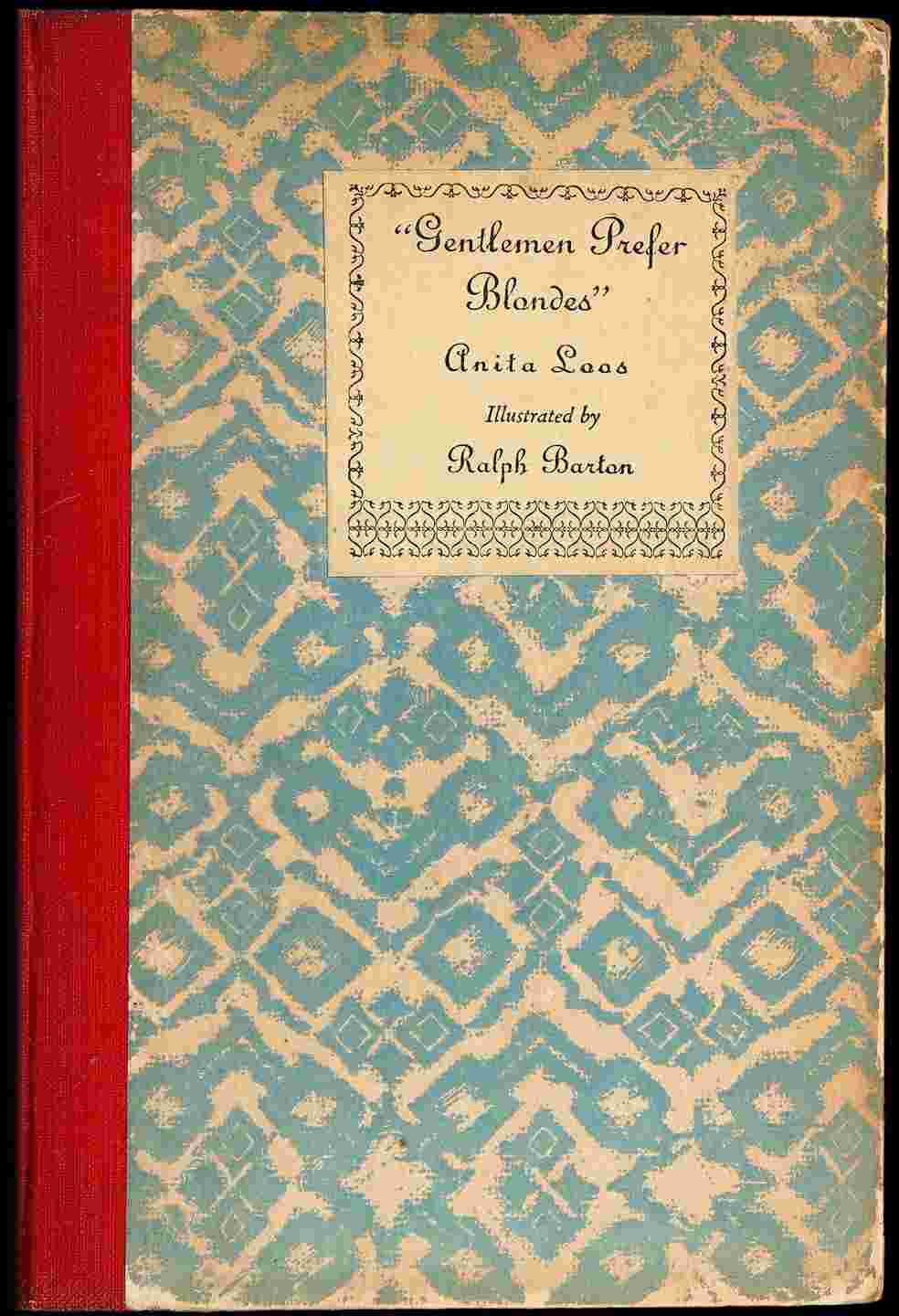 "Gentlemen prefer blondes"
by Anita Loos
"Gentlemen prefer blondes"
by Anita Loos
 "George Washington's" Last Duel / 1891
by Thomas Nelson Page
"George Washington's" Last Duel / 1891
by Thomas Nelson Page