
About This Book
The essay assesses Thomas Carlyle's literary achievements, moral influence, and stylistic eccentricities, arguing that he powerfully diagnosed social and moral disorder, kindled moral energy, and popularised appreciation of foreign authors while also exhibiting faults—overwrought mannerisms, reticence on some issues, a strained fatalism that fosters contempt for moral niceties and limited sympathy with large classes, and solutions judged impractical. It balances praise for imagination and historical exposition with doubts about long-term durability, acknowledging important services to letters while warning of the hazards in his methods and temperament.
About the Author

More Books by This Author
6 picks
 Burke
by John Morley
Burke
by John Morley
 Critical Miscellanies (Vol 2 of 3), Essay 1: Vauvenargues
by John Morley
Critical Miscellanies (Vol 2 of 3), Essay 1: Vauvenargues
by John Morley
 Critical Miscellanies (Vol. 1 of 3), Essay 1: Robespierre
by John Morley
Critical Miscellanies (Vol. 1 of 3), Essay 1: Robespierre
by John Morley
 Critical Miscellanies (Vol. 2 of 3), Essay 2: Turgot
by John Morley
Critical Miscellanies (Vol. 2 of 3), Essay 2: Turgot
by John Morley
 Critical Miscellanies (Vol. 2 of 3), Essay 3: Condorcet
by John Morley
Critical Miscellanies (Vol. 2 of 3), Essay 3: Condorcet
by John Morley
 Critical Miscellanies (Vol. 2 of 3), Essay 4: Joseph de Maistre
by John Morley
Critical Miscellanies (Vol. 2 of 3), Essay 4: Joseph de Maistre
by John Morley
You May Also Like
6 picks
 "'Tis Sixty Years Since" / Address of Charles Francis Adams; Founders' Day, January 16, 1913
by Charles Francis Adams
"'Tis Sixty Years Since" / Address of Charles Francis Adams; Founders' Day, January 16, 1913
by Charles Francis Adams
 "... és a felelősségtől való rettegés"
by Émile Faguet
"... és a felelősségtől való rettegés"
by Émile Faguet
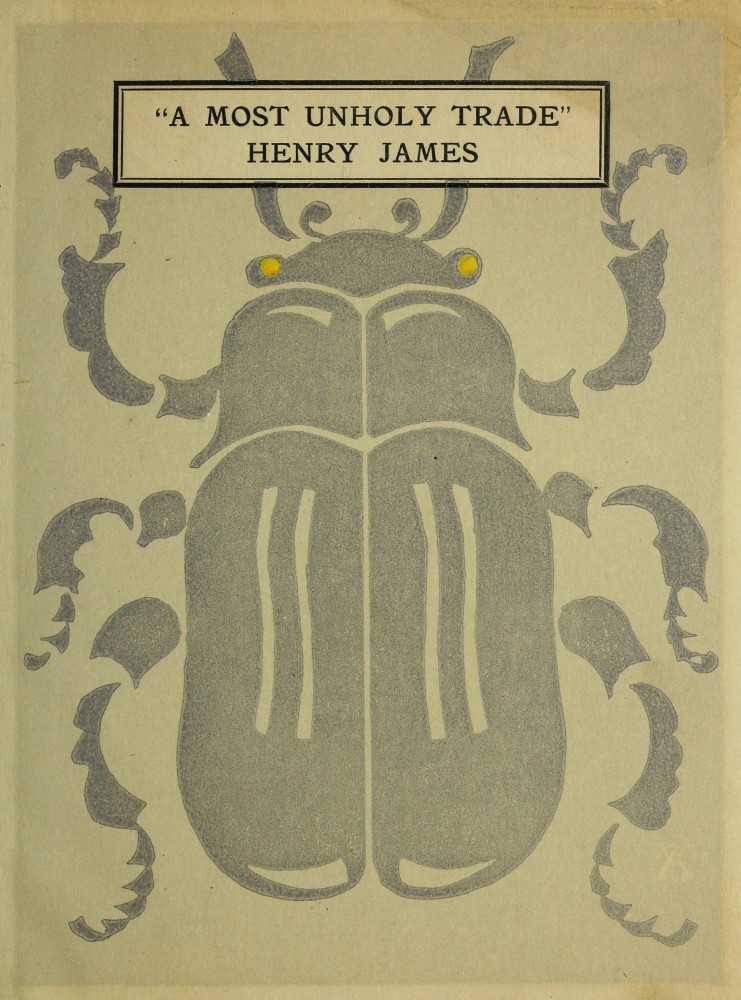 "A Most Unholy Trade," Being Letters on the Drama by Henry James
by Henry James
"A Most Unholy Trade," Being Letters on the Drama by Henry James
by Henry James
 "About My Father's Business": Work Amidst the Sick, the Sad, and the Sorrowing
by Thomas Archer
"About My Father's Business": Work Amidst the Sick, the Sad, and the Sorrowing
by Thomas Archer
 "America for Americans!" / The Typical American, Thanksgiving Sermon
by John Philip Newman
"America for Americans!" / The Typical American, Thanksgiving Sermon
by John Philip Newman
 "Bethink Yourselves!"
by graf Leo Tolstoy
"Bethink Yourselves!"
by graf Leo Tolstoy