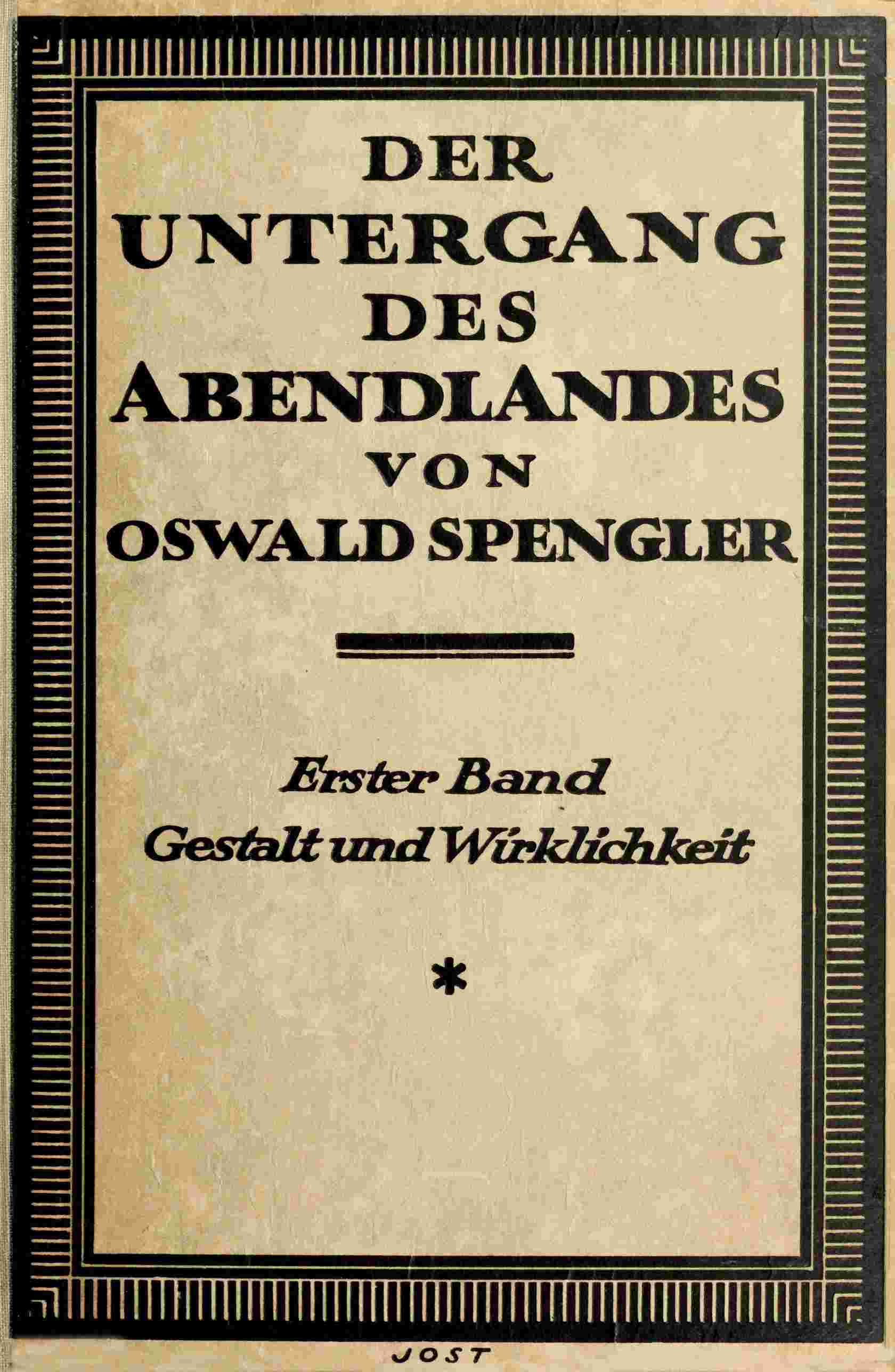
About This Book
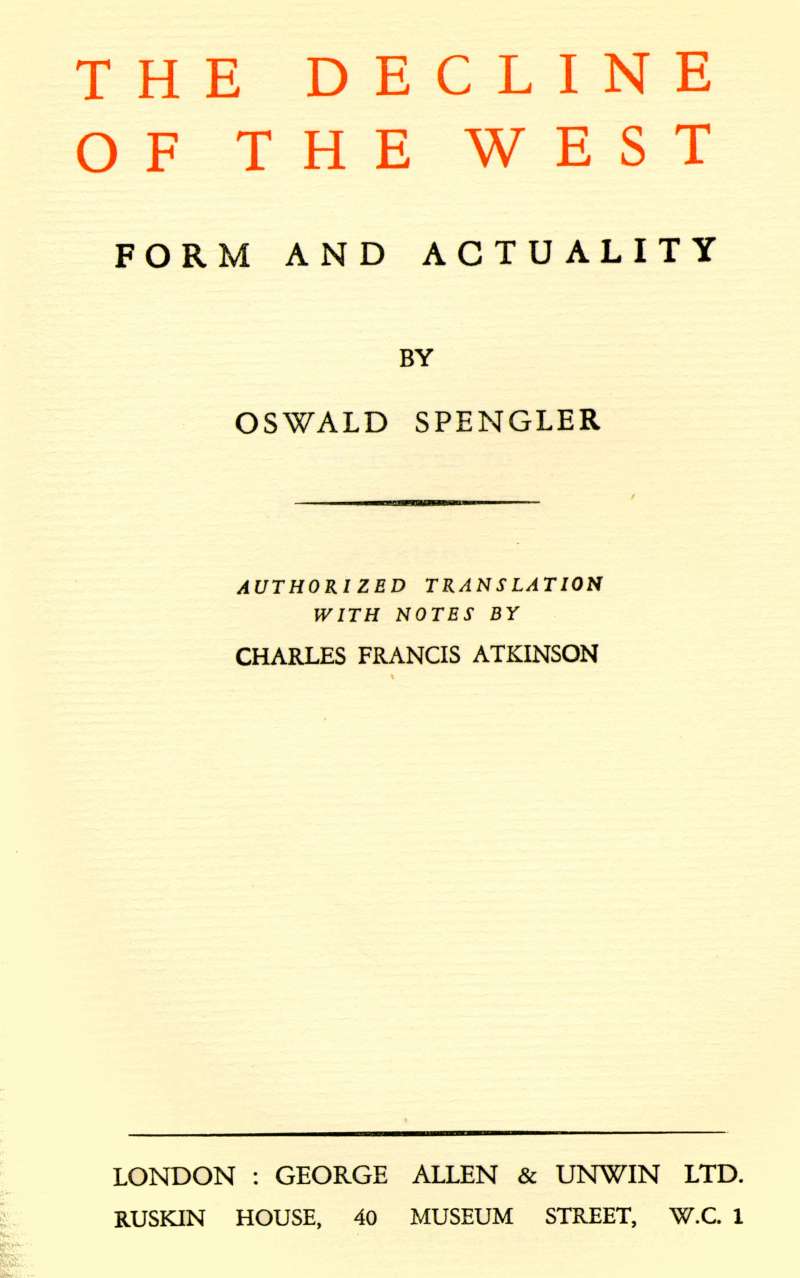
The author advances a morphological philosophy of history that regards high cultures as organic beings with characteristic lifespans, styles, and internal logics. Rejecting simple linear periodizations, he analyzes forms, rhythms, and symbolic languages—from mathematical concepts and artistic style to political structures—to trace phases of emergence, maturity, and decay. Comparative physiognomy and systematics are proposed as methods to reconstruct cultural destinies and to distinguish culture from its later stage of civilization and urban empire. The work contrasts organic, fate-like patterns with causal explanation and argues that Western development exhibits signs of terminal transformation.
About the Author

More Books by This Author
2 picks
You May Also Like
6 picks