
Titanic, iceberg causes sinking of, 15.
Topsail Inlet, wrecks near, 52, 75.
Tornado, Spanish man-of-war, capture of steamer Virginius by, 243.
Tuscarora, U.S.S., blockader, 79, 99.
Umbria, steamship, swept by tidal wave, 36.
Usina, Capt. Michael, quoted, 108, 109.
Venus, derelict blockade runner, 85-88, 90, 166.
Vesta, derelict blockade runner, 97, 100, 101.
Vila, derelict merchant ship, 10.
Virgin, steamer. See Virginius.
Virginia, blockade runner, name changed, 112.
Virginius, steamer, barbarous treatment of officers and crew by Spaniards, 243, 244;
capture of, 243;
recognition by Spanish Government of American rights to, 246;
rescue of part of crew of, 244, 245;
sale of, 242;
sinking of, 246.
Vizetelly, Frank, correspondent of London Illustrated News, 160, 163.
Vogel, Capt. Leo, 187.
Vulture, blockade runner, 131.
Wachusett, U.S.S., capture of C.S. Florida by, 278.
Walker, Maj. Norman S., Confederate agent, 131, 134.
Wartah, steamship, capsizing of, 33, 34.
Welles, Hon. Gideon, Secretary U.S. Navy, 100, 136, 142, 225.
Western Bar of Cape Fear River, 223, 236.
Whiting, American consul at Nassau, dispute with Captain Maffitt, 216;
experience with Confederate flag, 216, 217.
Whiting, Gen. W.H.C., commander Confederate forces in Wilmington, 91;
mentioned, 67, 162, 191, 192;
official report by, 91-93.
Whitworth guns, 54, 58, 83, 91, 92, 93, 134, 170, 193, 197.
Wild Dayrell, derelict blockade runner, 66, 72-78.
Wilkes, Commodore, 108, 109.
Wilkinson, Capt. John, account of activities in Confederate Navy, 221-227;
commander blockade runner Chameleon, xii;
C.S. steamer, R.E. Lee, 221;
quoted, 221-231, 231-233.
Will-o'-the-Wisp, blockade runner, 121.
Williams, Robert, 198.
Williams, Capt. Thomas, 21.
Wilmington, N.C., advantages as port for blockade runners, 57, 94, 223, 266;
approaches to, 266;
Confederate troops stationed in and around, 92, 174;
construction of Confederate ships at, 172, 174;
effect of the war on, 227-229.
Wilmington Historical and Literary Society, investigations by, 62-64.
Wilson, Captain, blockade runner Margaret and Jessie, 235, 236.
Wilson, Rev. Doctor, father of the President, 62.
Wilson, Capt. William, account of exploits with ship Emily St. Pierre, 250-262.
Wise, Captain, blockade runner Cape Fear, 112.
W.L. White, derelict merchant ship, 5.
Wood, Doctor, 63.
Wrightsville Beach, wrecks near, 51, 56.
Yamacraw, Coast Guard cutter, 45.
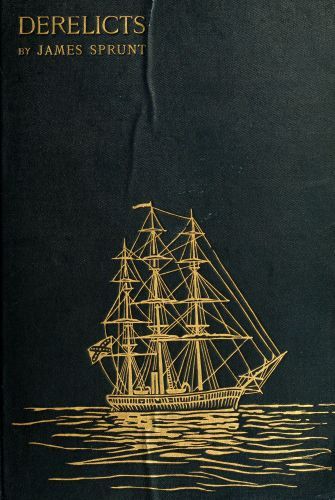
Derelicts: An Account of Ships Lost at Sea in General Commercial Traffic / And a Brief History of Blockade Runners Stranded Along the North Carolina Coast, 1861-1865
Explore more books like this:
About This Book
The author compiles maritime narratives and personal reminiscences about derelict vessels and blockade runners off the North Carolina coast during the American Civil War era. The volume describes ships abandoned or stranded, hazards they posed to commerce, and specific accounts of blockade-running voyages, captures, and the destruction or stranding of craft. It interweaves technical and legal observations on derelicts with eyewitness storytelling, reflections on naval strategy and blockade effectiveness, and episodic sea tales drawn from the author's own service, imprisonment, and long familiarity with Cape Fear waters.