Inhaltsverzeichnis
| Vorwort | Seite 5 |
| Balthasar, 1453–1525 | 14 |
| Johann Heinrich, 1496–1555 | 29 |
| Philipp, 1540–1564 | 32 |
| Das Schloß als Witwensitz | 33 |
| Elisabeth, 1568–1617 | 37 |
| Amilie Antonie, 1614–1670 | 41 |
 WeRead
Powered by ReaderPub
WeRead
Powered by ReaderPub
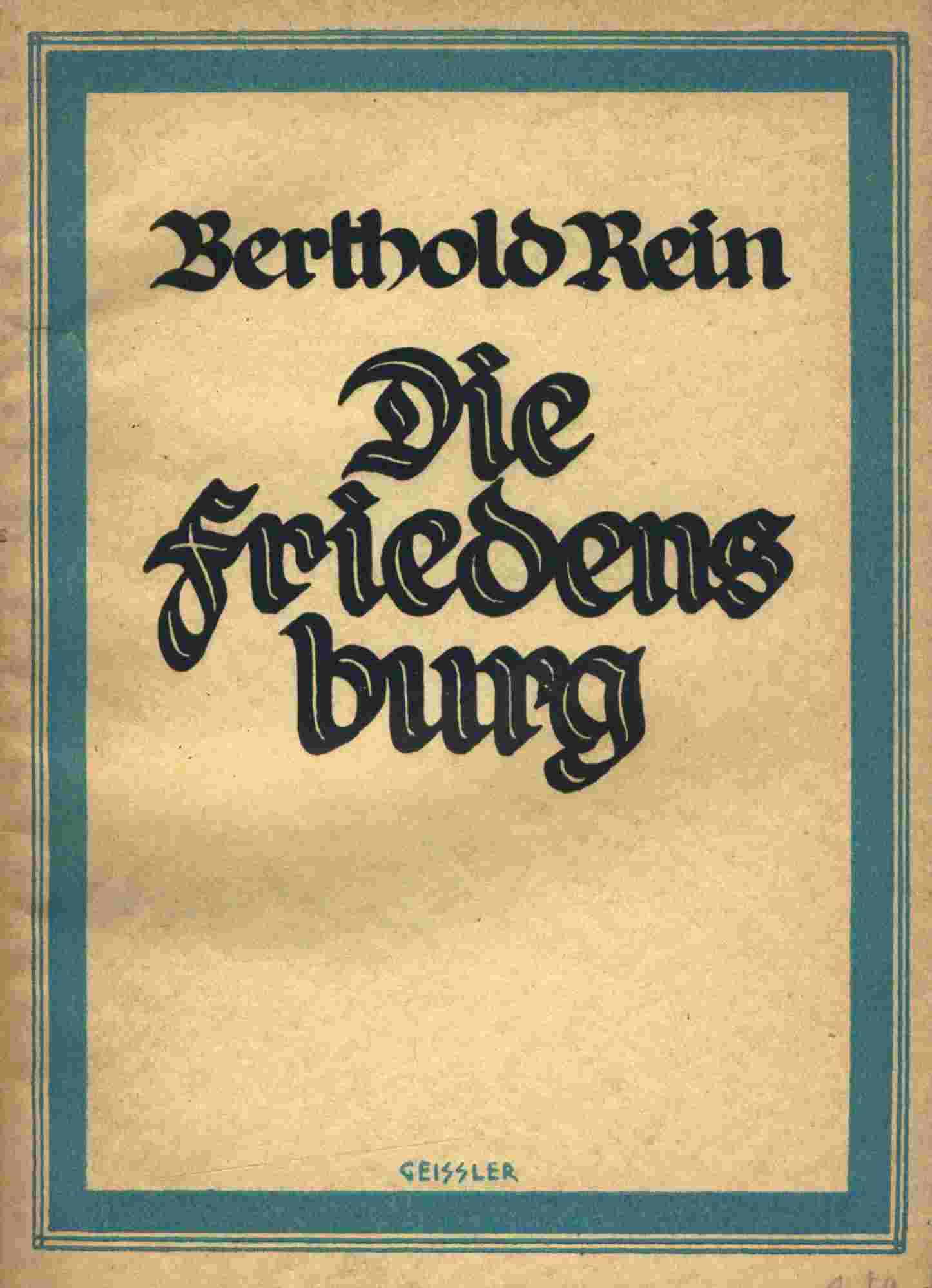
The book examines a Thuringian hilltop fortress and its occupants through architectural description and archival research. It traces the site's development from an early refuge and watchpost into a fortified residence, analyzing masonry, plan, towers and later additions, and links building phases to shifting ownership among regional noble lines. Local documents, family pedigrees and pictorial sources are used to reconstruct daily life, administrative functions and burial practices, while noting gaps due to lost records and fires. The account aims for an accessible, locality-focused history integrating material evidence with surviving written notices.
| Vorwort | Seite 5 |
| Balthasar, 1453–1525 | 14 |
| Johann Heinrich, 1496–1555 | 29 |
| Philipp, 1540–1564 | 32 |
| Das Schloß als Witwensitz | 33 |
| Elisabeth, 1568–1617 | 37 |
| Amilie Antonie, 1614–1670 | 41 |