
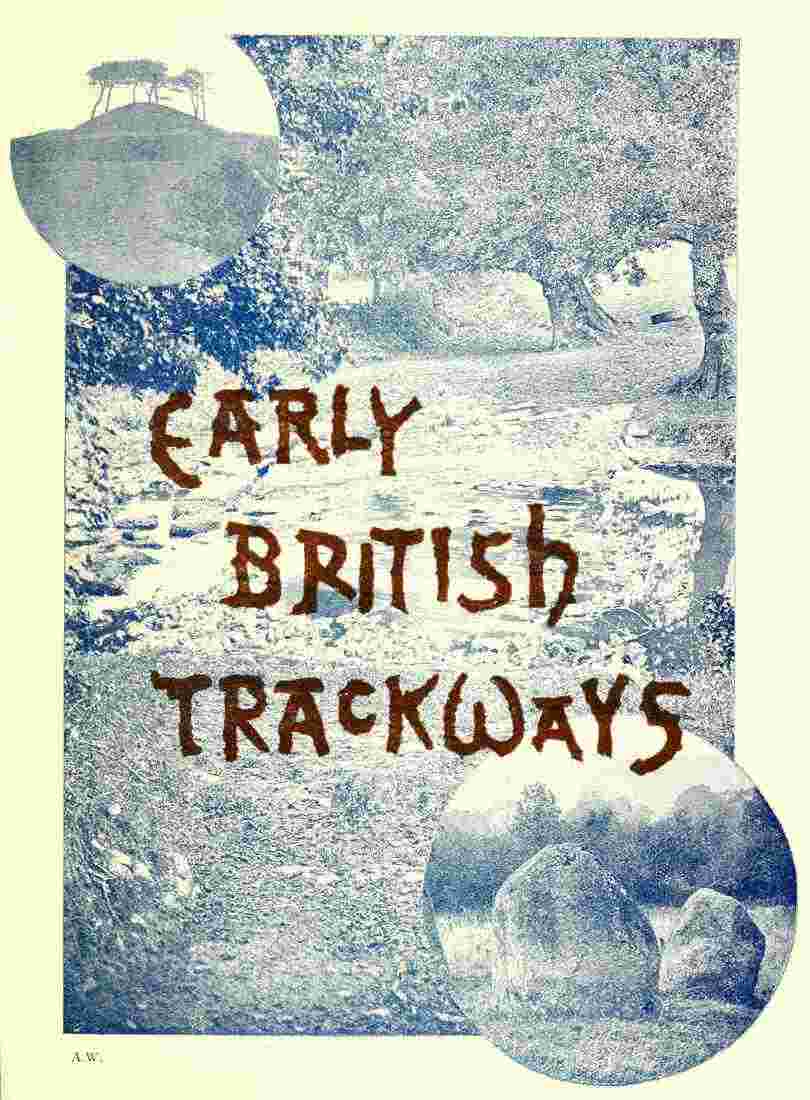
Early British trackways, moats, mounds, camps, and sites
Explore more books like this:
About This Book
The work proposes that prehistoric and early historic trackways were intentionally laid out as straight leys linking mounds, moats, camps, churches, castles and other landscape features. It outlines conclusions and supplies photographic and map-based proofs, illustrating sighting cuttings, causeways, mark-stones, and the transformation of stones into crosses while discussing the antiquity and individuality of these alignments. The text also examines trees, wells, Roman and traders’ roads, and place-name evidence, offers practical hints for field investigation, and presents numerous local examples, plates, and maps to demonstrate the survey and methods used.
About the Author

You May Also Like
6 picks
 "Five-Head" Creek; and Fish Drugging in the Pacific / 1901
by Louis Becke
"Five-Head" Creek; and Fish Drugging in the Pacific / 1901
by Louis Becke
 "Pennsylvania Dutch," and other essays
by Phebe Earle Gibbons
"Pennsylvania Dutch," and other essays
by Phebe Earle Gibbons
 "Sterminator Vesevo" (Vesuvius the great exterminator) / Diary of the Eruption of April 1906
by Matilde Serao
"Sterminator Vesevo" (Vesuvius the great exterminator) / Diary of the Eruption of April 1906
by Matilde Serao
 21 Jahre in Indien. Dritter Theil: Sumatra.
by Heinrich Breitenstein
21 Jahre in Indien. Dritter Theil: Sumatra.
by Heinrich Breitenstein
 21 Jahre in Indien. Erster Theil: Borneo.
by Heinrich Breitenstein
21 Jahre in Indien. Erster Theil: Borneo.
by Heinrich Breitenstein
 A Bakony (1. kötet)
by Károly Eötvös
A Bakony (1. kötet)
by Károly Eötvös