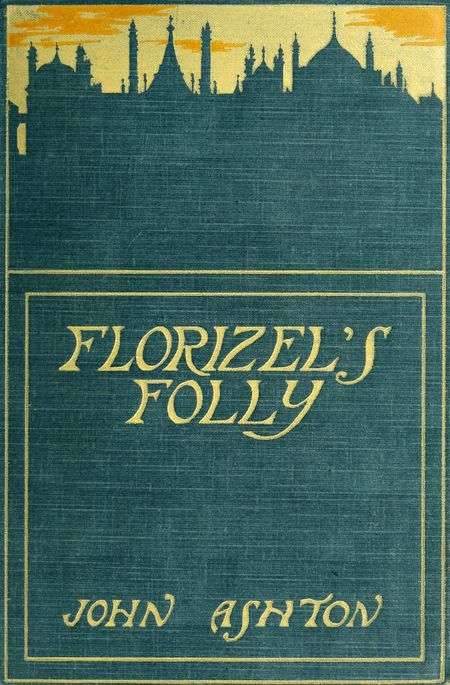
The narrative traces Brighton's transformation from Roman and Domesday origins through coastal defenses and early growth into a fashionable resort, interweaving local history with sketches of notable visitors and civic life. It concentrates on the Prince of Wales's patronage and personal entanglements, his residences and debts, relationships such as with Mrs. Fitzherbert, and public reaction captured in satirical prints. Chapters document military camps and émigré encampments, social manners, local characters, and amusements, while illustrations and anecdotes illuminate changing urban architecture, seaside customs, and the interplay of politics, money, and reputation in late eighteenth- and early nineteenth-century Brighton.