
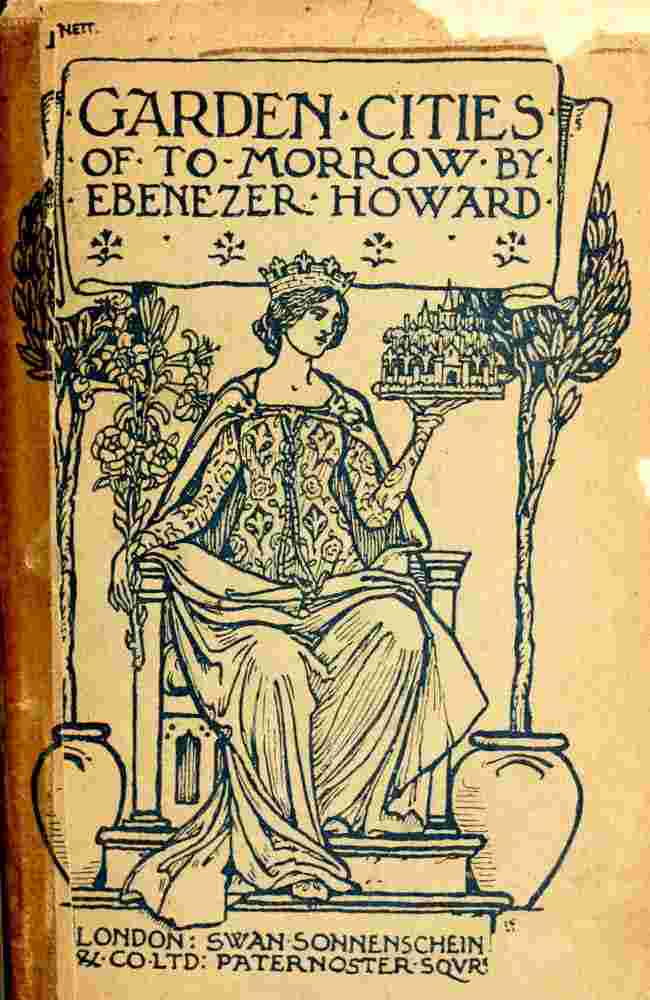
Garden Cities of To-Morrow / Being the Second Edition of "To-Morrow: a Peaceful Path to Real Reform"
Explore more books like this:
About This Book
An urban-planning manifesto proposes building self-contained garden cities that combine compact, well-laid-out towns with surrounding agricultural belts to supply food and preserve open space. It describes typical layouts—central park, broad boulevards, radial avenues and an encompassing railway—and allocates sites for homes, industry, and public institutions. Detailed financial mechanisms explain purchase of land and the capture of increased land values as communal rate-rent to fund infrastructure, sinking funds, and municipal services. Chapters examine administration, semi-municipal enterprise, and local options for social reform, and conclude by arguing that multiplying such communities offers a practical remedy for overcrowded metropolitan areas.
About the Author

You May Also Like
 A architectura religiosa na Edade Média
by Augusto Fuschini
A architectura religiosa na Edade Média
by Augusto Fuschini
 A B C of Gothic Architecture
by John Henry Parker
A B C of Gothic Architecture
by John Henry Parker
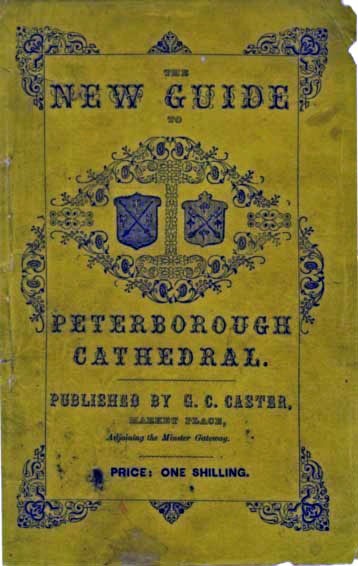 A Guide to Peterborough Cathedral / Comprising a brief history of the monastery from its foundation to the present time, with a descriptive account of its architectural peculiarities and recent improvements; compiled from the works of Gunton, Britton, and original & authentic documents
by George S. Phillips
A Guide to Peterborough Cathedral / Comprising a brief history of the monastery from its foundation to the present time, with a descriptive account of its architectural peculiarities and recent improvements; compiled from the works of Gunton, Britton, and original & authentic documents
by George S. Phillips
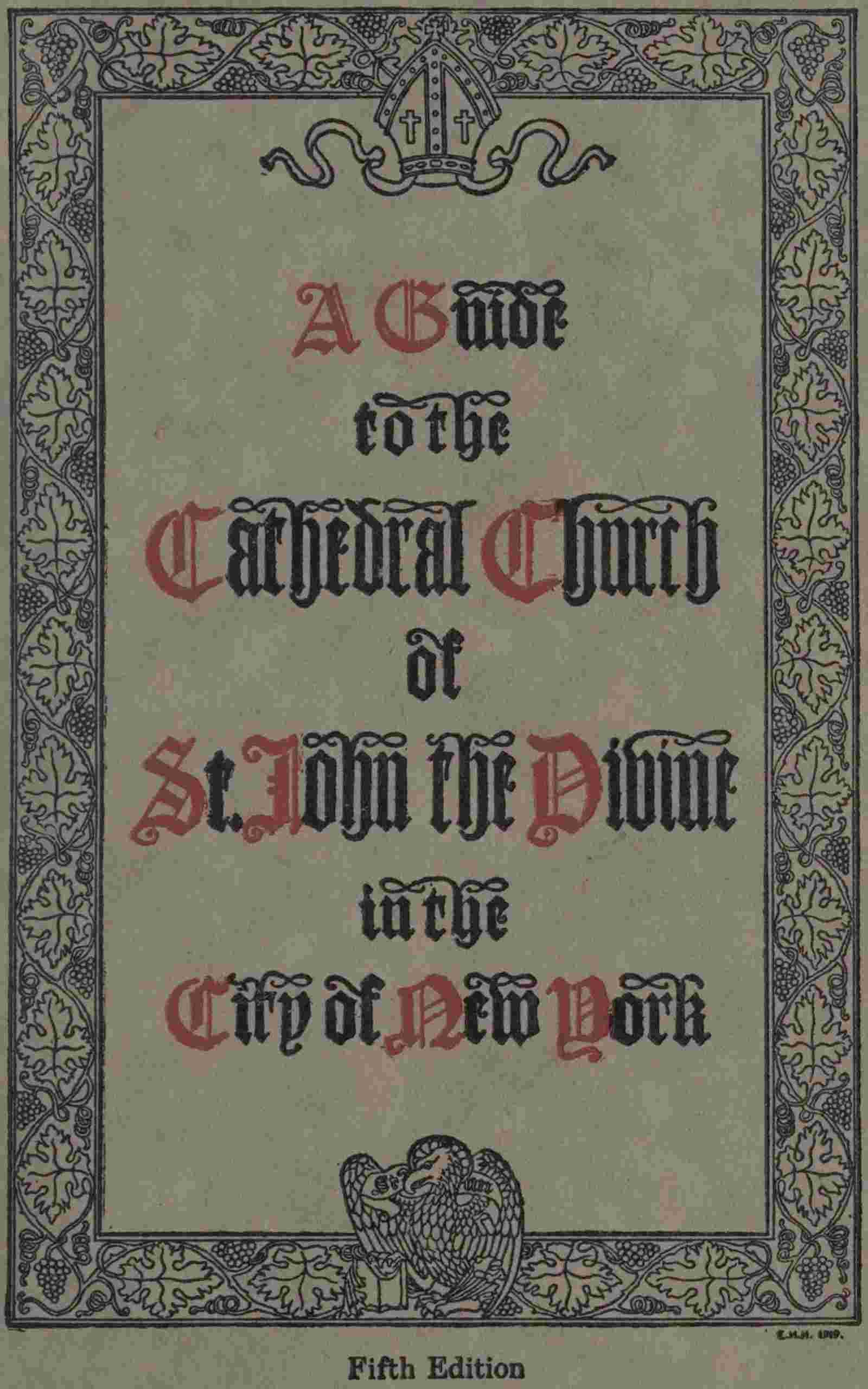 A guide to the Cathedral Church of Saint John the Divine in the city of New York / Fifth Edition
by Edward Hagaman Hall
A guide to the Cathedral Church of Saint John the Divine in the city of New York / Fifth Edition
by Edward Hagaman Hall
 A History of Architecture in all Countries, Volume 1, 3rd ed. / From the Earliest Times to the Present Day
by James Fergusson
A History of Architecture in all Countries, Volume 1, 3rd ed. / From the Earliest Times to the Present Day
by James Fergusson
 A History of Architecture in All Countries, Volume 2, 3rd ed. / From the Earliest Times to the Present Day
by James Fergusson
A History of Architecture in All Countries, Volume 2, 3rd ed. / From the Earliest Times to the Present Day
by James Fergusson