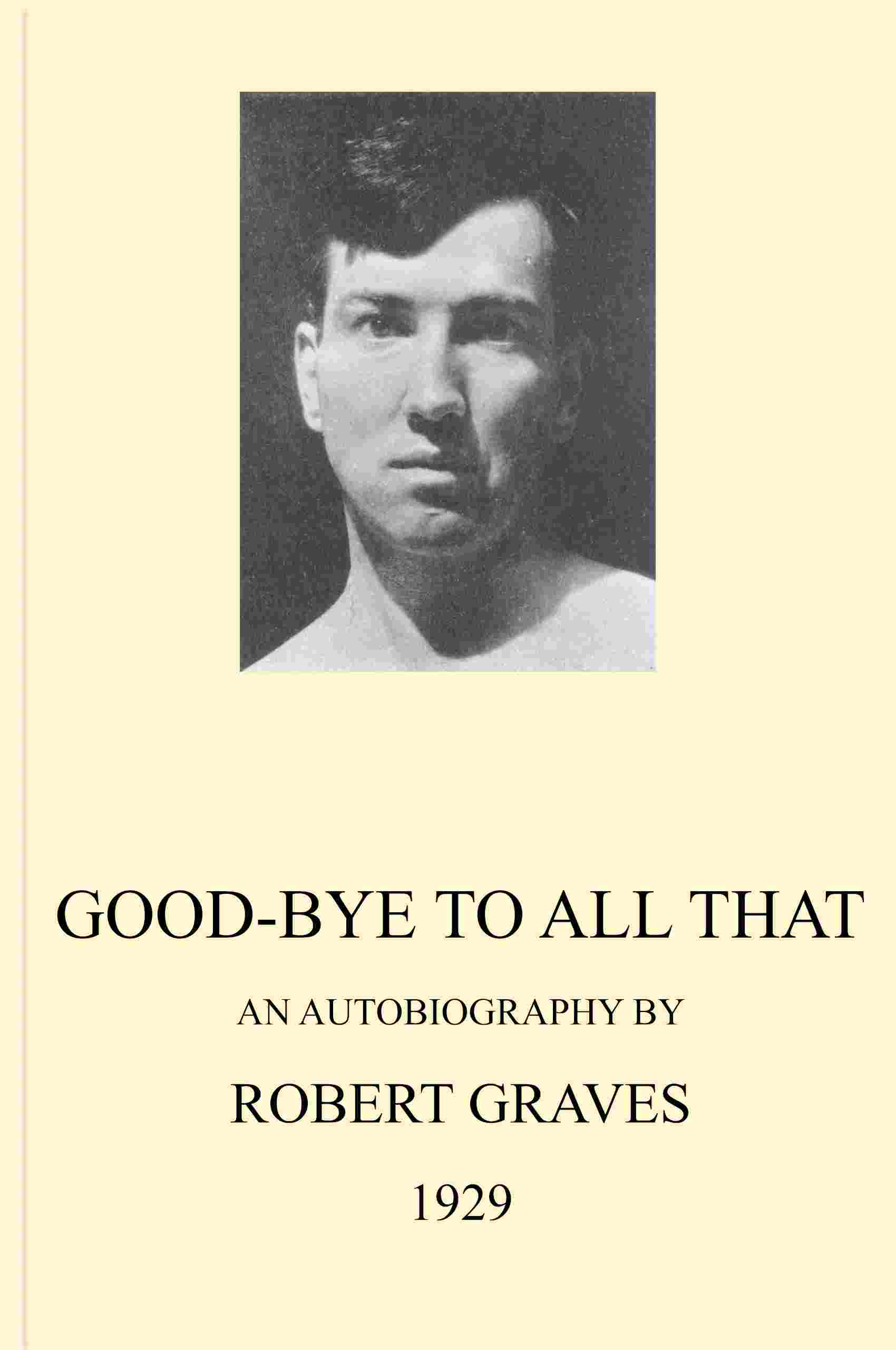
| Robert Graves, 1929 | Frontispiece |
|
Cuinchy Brick-stacks seen from a British trench on the Givenchy
canal-bank. The white placarded brick-stack is in the British support
line; the ones beyond are held by the Germans. The village of Auchy is
seen in the distance. (By courtesy of the Imperial War Museum.) |
To face page 152 |
|
Trench Map showing the Cambrin-Cuinchy-Vermelles Trench Sector in the
summer of, 1915. Each square-side measures 500 yards and is ticked off
into 50-yard units. Only the German trench-system is shown in detail;
a broken pencil-line marks the approximate course of the British
front trench. The minecraters appear as stars in No Man’s Land. The
brick-stacks in the German line appear as minute squares; those held by
the British are not marked. The intended line of advance of the 19th
Brigade on September 25th is shown in pencil on this map, which is the
one that I carried on that day |
190 |
|
Maps. (_Reproduced by the courtesy of the Imperial War Museum._) |
| |
Somme Trench Map—The Fricourt Sector, 1916. This map fits against the
map facing page 262 |
246 |
| |
Somme Trench Map—Mametz Wood and High Wood, 1916. This map fits against the
map facing page 246 |
262 |
|
Robert Graves, from a pastel by Eric Kennington |
296 |
|
Various Records, mostly self-explanatory. The Court of Inquiry
mentioned in the bottom left-hand message was to decide whether the
wound of a man in the Public Schools Battalion—a rifle-shot through
his foot—was self-inflicted or accidental. It was self-inflicted. B.
Echelon meant the part of the battalion not in the trenches. Idol was
the code-name for the Second Battalion the Royal Welch Fusiliers. The
notebook leaf is the end of my 1915 diary only three weeks after I
began it; I used my letters home as a diary after that. The message
about Sergeant Varcoe was from Captain Samson shortly before his death;
I was temporarily attached to his company |
322 |
|
1929, The Second Battalion the Royal Welch Fusiliers back to pre-war
soldiering. The regimental Royal goat, the regimental goat-major and
the regimental pioneers (wearing white leather aprons and gauntlets—a
special regimental privilege) on church parade at Wiesbaden on the
Rhine. The band follows, regimentally. The goat has a regimental number
and draws rations like a private soldier. ‘Some speak of Alexander, and
some of Hercules....’ |
To face page 364 |