WeRead Powered by ReaderPub
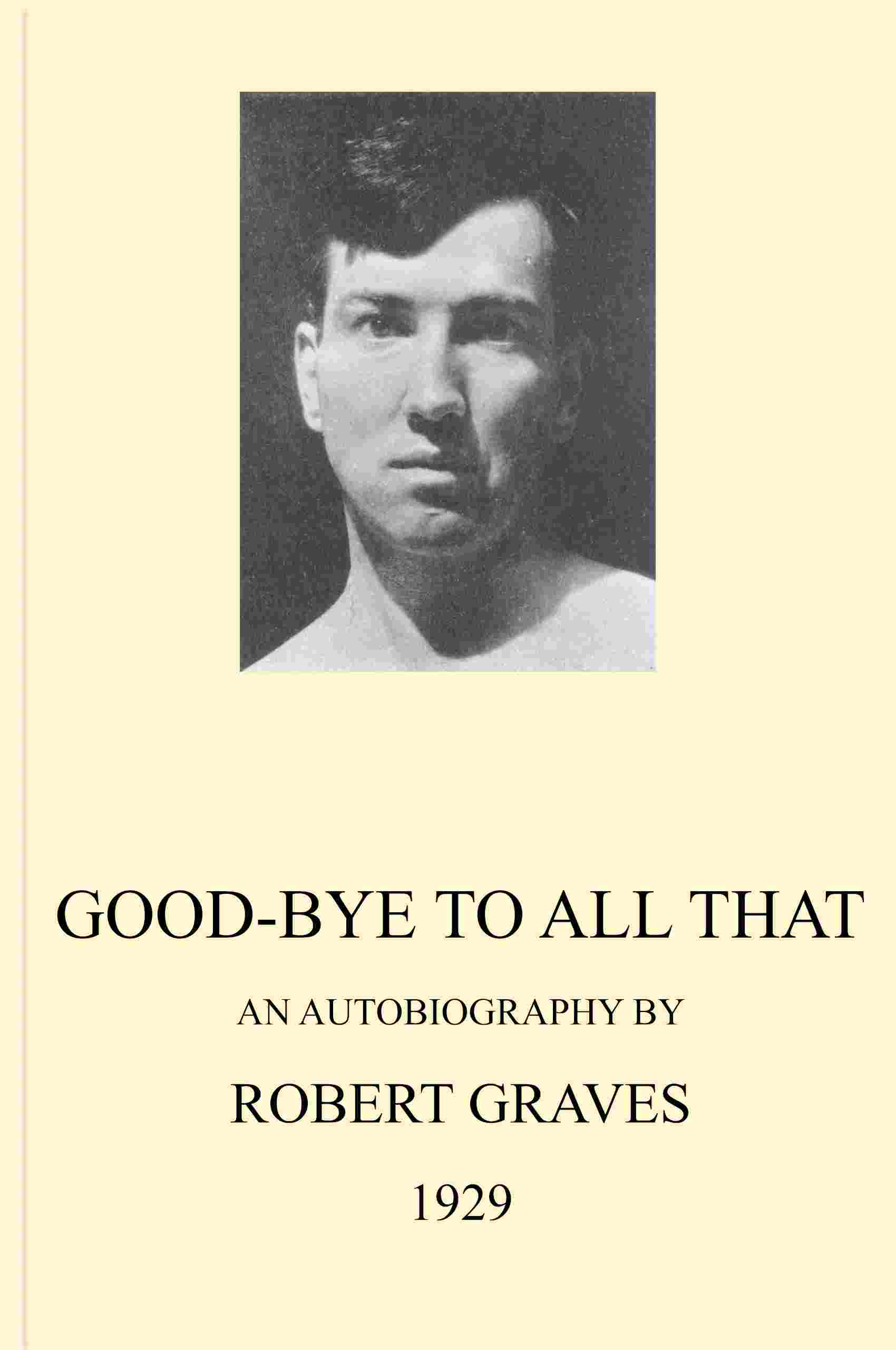
Good-bye to all that cover

Good-bye to all that

Chapter 37: Footnotes
Open in WeRead

About This Book

An autobiographical account follows the author's life from childhood and early education into military service during the First World War and subsequent attempts to resume civilian life. It alternates vivid frontline descriptions of training, trench warfare, injuries, and military routine with reflections on camaraderie, disillusionment, and the psychological cost of combat. The narrative examines institutional bureaucracy, class relationships within the officer corps, and the difficulty of reconnecting with peacetime society. Interspersed observations on literature, personal relationships, and the problem of memory create a candid portrait of changing loyalties and a resolve to put a traumatic past behind him.

Footnotes

  • [1] ‘Why,’ said the cobbler, ‘what should I do? Will you have me to go in the King’s wars and to be killed for my labour?’ ‘What, knave,’ said Skelton, ‘art thou a coward, having so great bones?’ ‘No,’ said the cobbler, ‘I am not afeared: it is good to sleep in a whole skin.’—Merry Tales of Skelton (Early sixteenth century).
  • [2] I do not know what happened to Miller. This was written in the summer of 1916.
  • [3] Jenkins was killed not long after.
  • [4] The quartermaster excepted.
  • [5] The gas-cylinders had by this time been put into position on the front line. A special order came round imposing severe penalties on anyone who used any word but ‘accessory’ in speaking of the gas. This was to keep it secret, but the French civilians knew all about it long before this.
  • [6] Major Swainson recovered quickly and was back at the Middlesex Depot after a few weeks. On the other hand, Lawrie, a Royal Welch company quartermaster-sergeant back at Cambrin, was hit in the neck that day by a spent machine-gun bullet which just pierced the skin, and died of shock a few hours later.
  • [7] He was recommended for a Victoria Cross but got nothing because no officer evidence, which is a condition of award, was available.
  • [8] I cannot explain the discrepancy between his dating of my death and that of the published casualty list.