
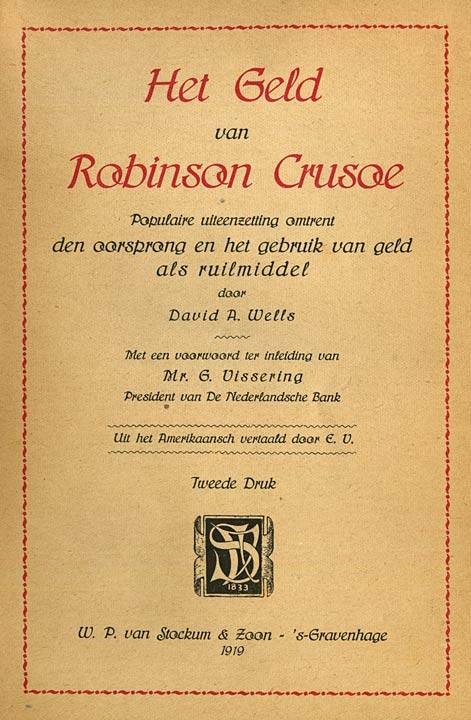
Het Geld van Robinson Crusoe / Populaire uiteenzetting omtrent den oorsprong en het gebruik van geld als ruilmiddel
Explore more books like this:
About This Book
The book constructs a fictional island community that evolves from simple barter to a monetary economy to demonstrate the origin, nature, and uses of money. Using vivid episodes and satirical policy examples, it explains why particular commodities, notably gold, serve well as media of exchange and standards of value, how excessive issuance and wartime borrowing cause inflation and depreciation, and how institutional choices affect currency stability. Practical illustrations expose common misunderstandings and the economic consequences of different monetary arrangements.
About the Author

More Books by This Author
1 picks
You May Also Like
6 picks
 A Brief History of Panics and Their Periodical Occurrence in the United States
by Clément Juglar
A Brief History of Panics and Their Periodical Occurrence in the United States
by Clément Juglar
 A Contribution to the Critique of Political Economy
by Karl Marx
A Contribution to the Critique of Political Economy
by Karl Marx
 A Critical Examination of Socialism
by W. H. Mallock
A Critical Examination of Socialism
by W. H. Mallock
 A Discourse on Trade, and Other Matters Relative to it
by John Cary
A Discourse on Trade, and Other Matters Relative to it
by John Cary
 A dissolução do regimen capitalista
by Teixeira Bastos
A dissolução do regimen capitalista
by Teixeira Bastos
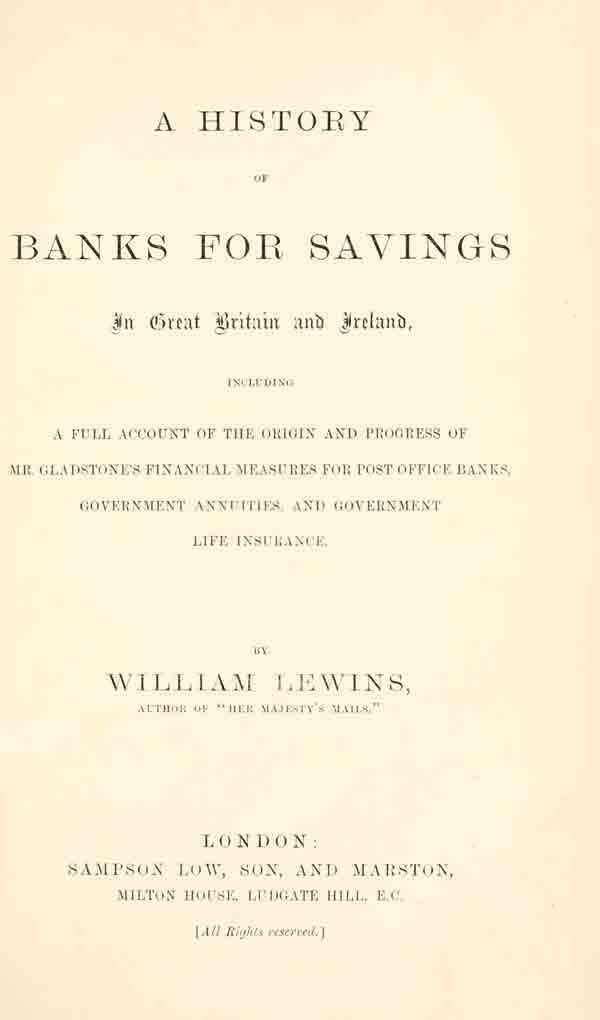 A History of Banks for Savings in Great Britain and Ireland
by William Lewins
A History of Banks for Savings in Great Britain and Ireland
by William Lewins