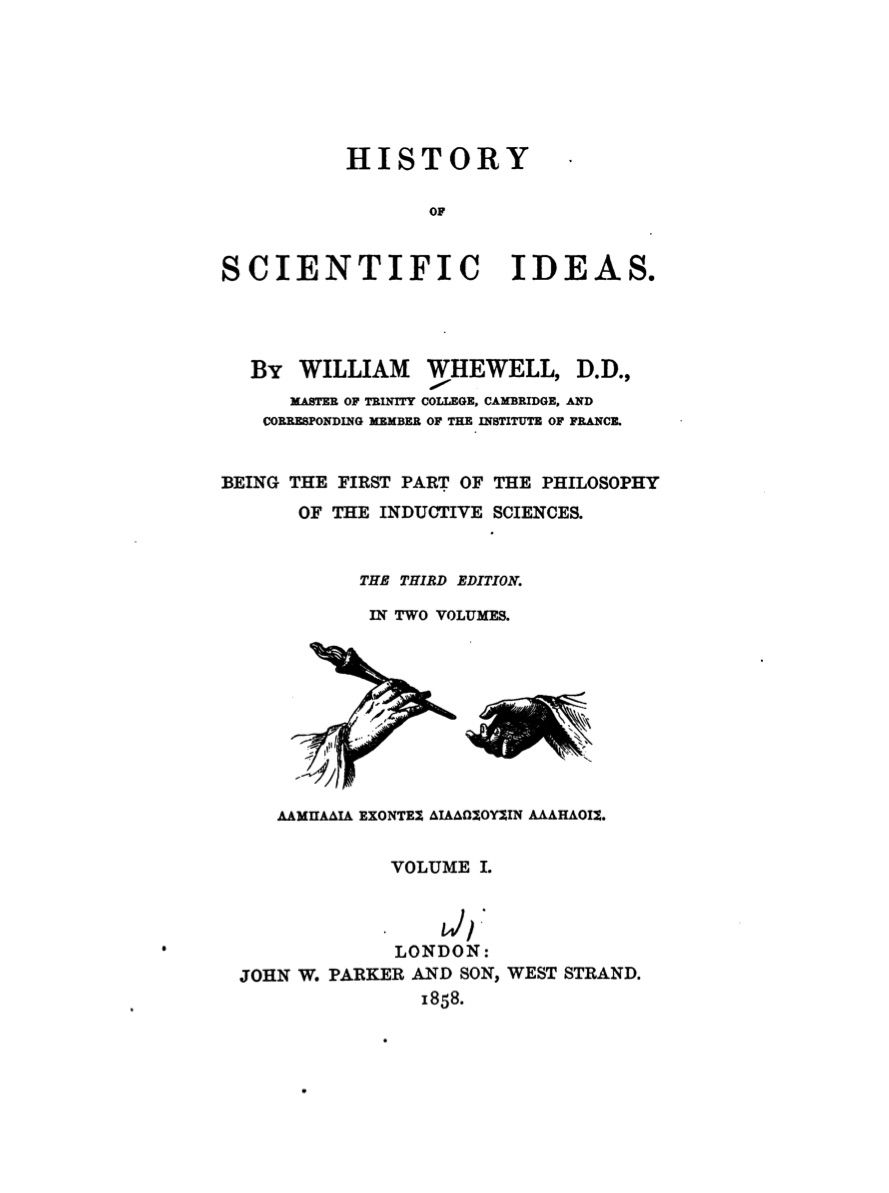
About This Book
The work surveys the historical development and philosophical foundations of central scientific concepts—space, time, number, motion, cause, force, matter, organismal notions, and methods—showing how they function as necessary ideas rather than empirical derivations. It examines perception and mathematical reasoning, the axioms underlying geometry and arithmetic, controversies over causation and force, and the establishment of statics, dynamics, and gravitational law. Emphasizing the interplay of induction, deduction, and metaphysical reflection, it maps debates and proposes resolutions that aim to reconcile observed facts with the conceptual conditions that make scientific knowledge possible.
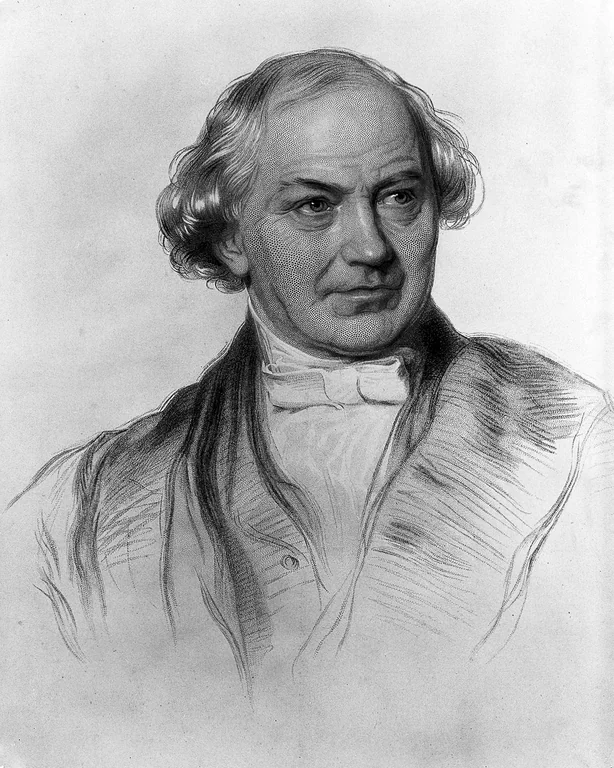
About the Author
More Books by This Author
5 picks
 Astronomy and General Physics Considered with Reference to Natural Theology
by William Whewell
Astronomy and General Physics Considered with Reference to Natural Theology
by William Whewell
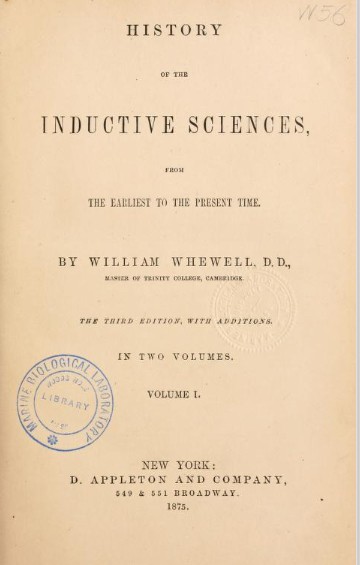 History of the inductive sciences, from the earliest to the present time
by William Whewell
History of the inductive sciences, from the earliest to the present time
by William Whewell
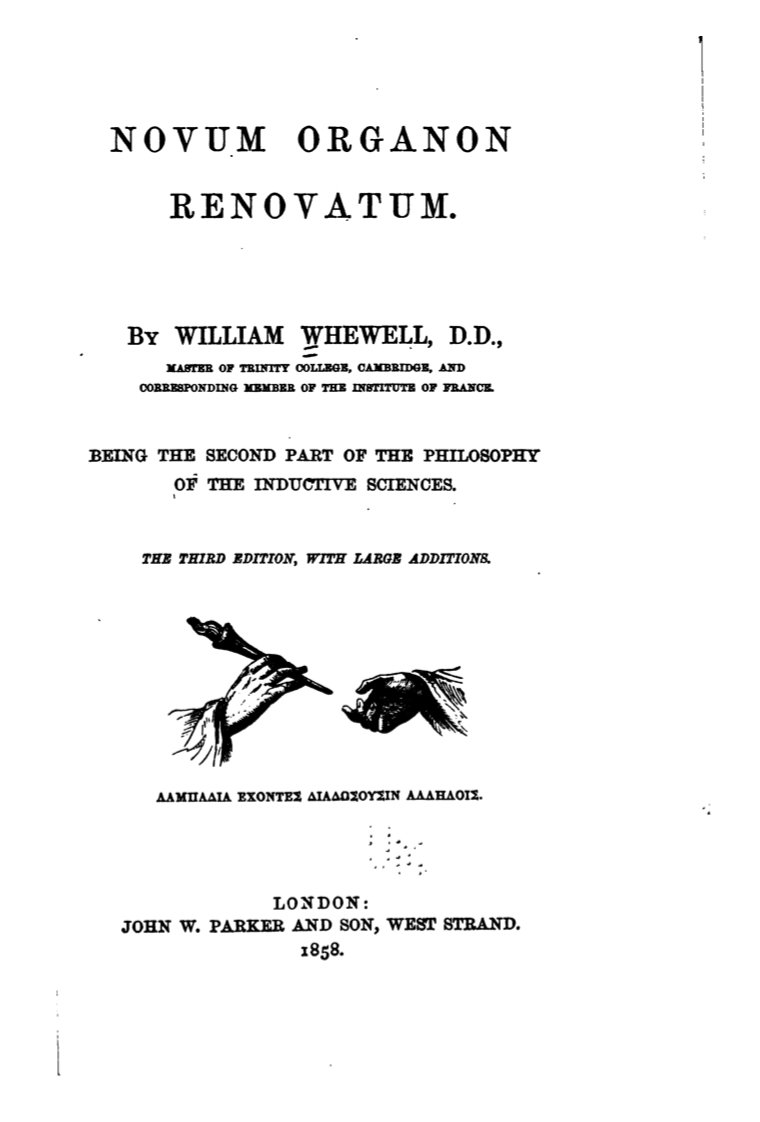 Novum organon renovatum / Being the second part of the philosophy of the inductive sciences
by William Whewell
Novum organon renovatum / Being the second part of the philosophy of the inductive sciences
by William Whewell
 On the Philosophy of Discovery, Chapters Historical and Critical
by William Whewell
On the Philosophy of Discovery, Chapters Historical and Critical
by William Whewell
 The Plurality of Worlds
by William Whewell
The Plurality of Worlds
by William Whewell
You May Also Like
6 picks