
About This Book
The essay depicts New England as a perpetual battleground of seasons, where arctic cold and southern warmth meet to produce deceptive thaws and false springs. It describes the landscape left pallid and sodden when snow first retreats, then the tentative signs of life—cracked bud varnish, sap flow, early insects and tree-toad calls—that awaken sentimental human responses. Those fleeting comforts are repeatedly overturned by sudden storms and returning snows, which newspapers and instruments duly record. The piece closes by noting the yearly cycle of hope and disappointment and the human tendency to embrace springtime expectations despite frequent reversals.
About the Author

More Books by This Author
6 picks





You May Also Like
6 picks
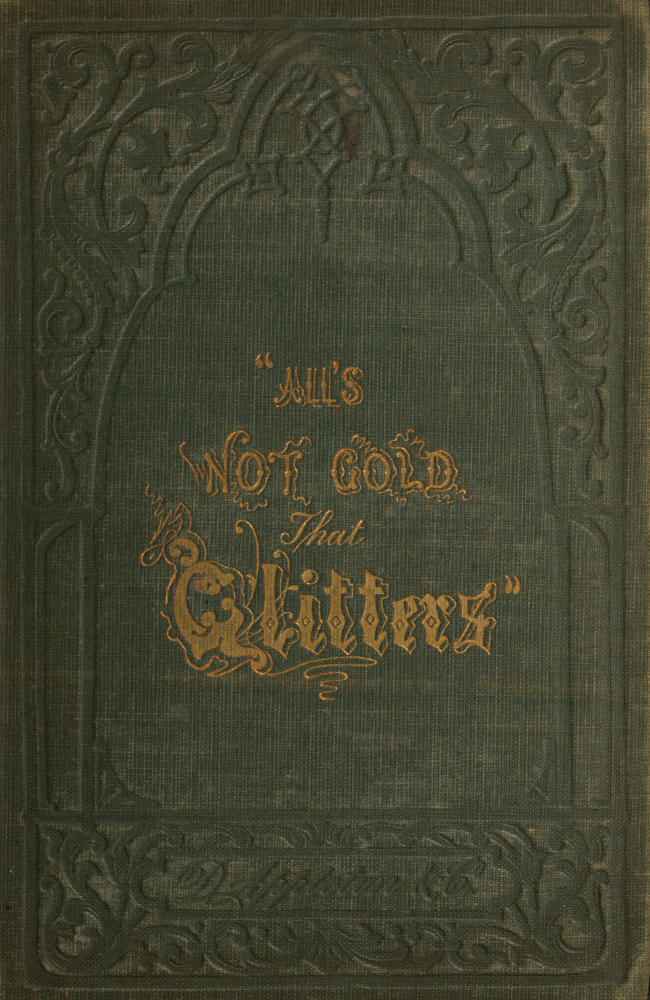 "All's not Gold that Glitters;" or, The Young Californian
by Alice B. Haven
"All's not Gold that Glitters;" or, The Young Californian
by Alice B. Haven
 "Bring Me His Ears"
by Clarence Edward Mulford
"Bring Me His Ears"
by Clarence Edward Mulford
 "Browne's Folly" / (From: "The Doliver Romance and Other Pieces: Tales and Sketches")
by Nathaniel Hawthorne
"Browne's Folly" / (From: "The Doliver Romance and Other Pieces: Tales and Sketches")
by Nathaniel Hawthorne
 "Forward, March": A Tale of the Spanish-American War
by Kirk Munroe
"Forward, March": A Tale of the Spanish-American War
by Kirk Munroe
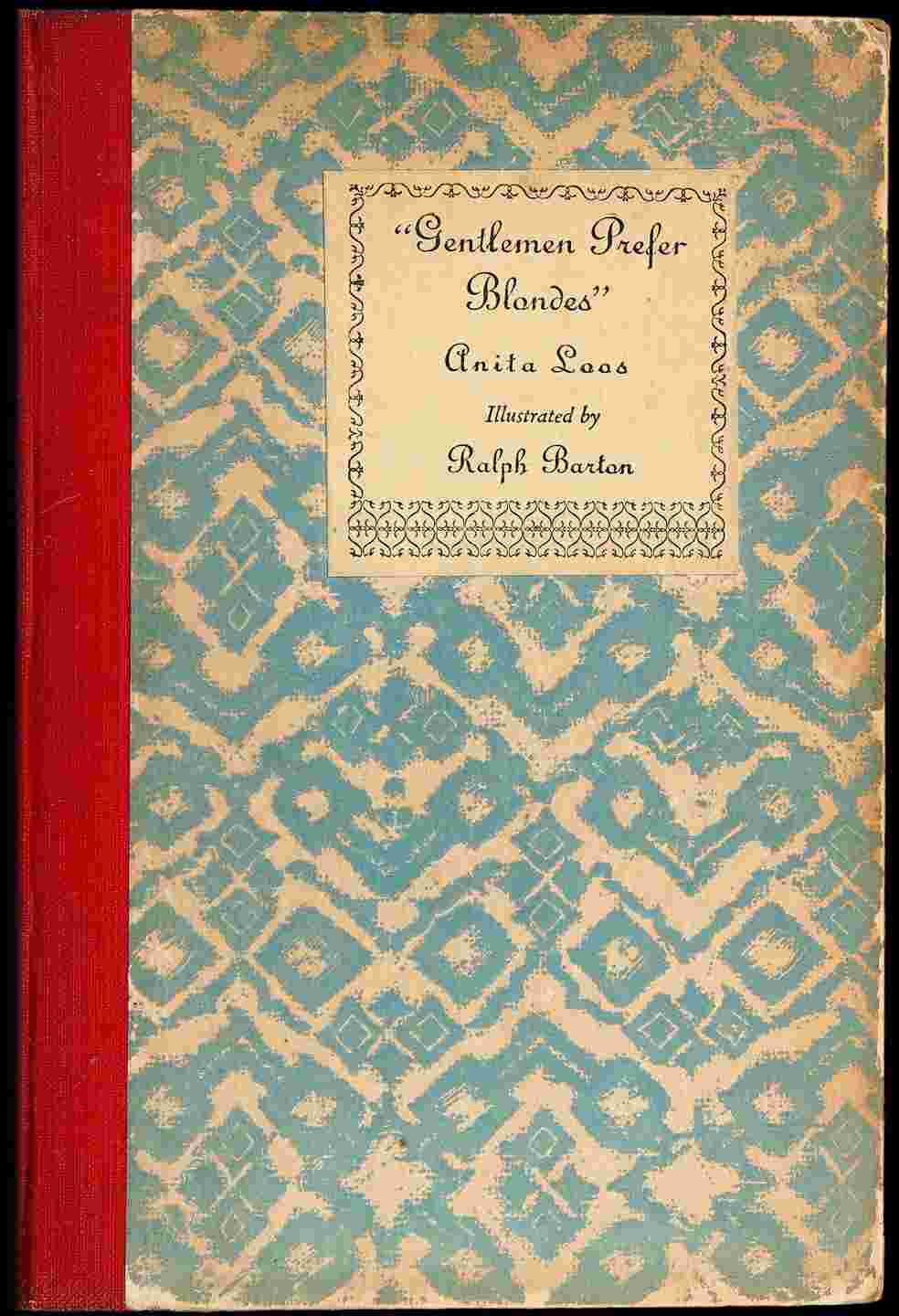 "Gentlemen prefer blondes"
by Anita Loos
"Gentlemen prefer blondes"
by Anita Loos
 "George Washington's" Last Duel / 1891
by Thomas Nelson Page
"George Washington's" Last Duel / 1891
by Thomas Nelson Page