
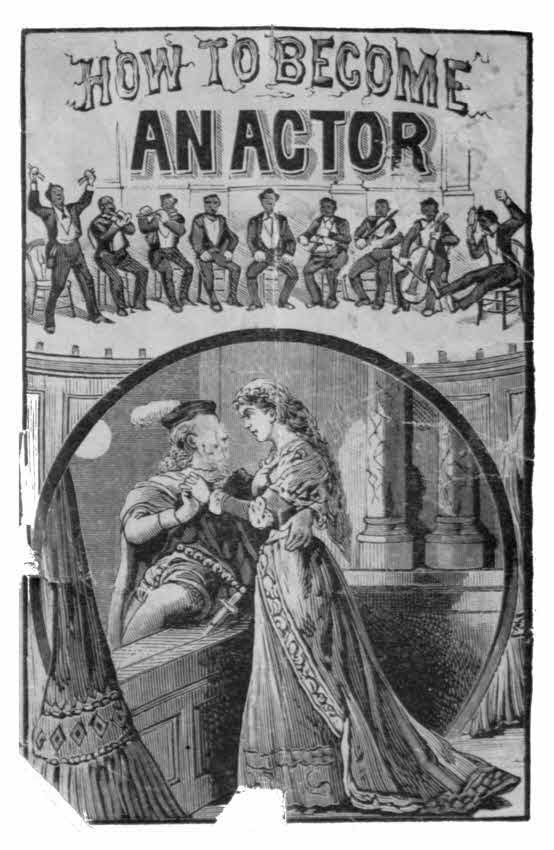
DRESS.
In dressing the characters, care should be taken to do it neatly and securely, for to lose a portion of a costume, often turns the most serious scene to ridicule; and besides, a drawing-room audience is one of the most critical.
Ladies with light, airy dresses should not go too near to the footlights, and those with long trains should be careful of the manner in which they are swung around.
The gentlemen must not forget to remove their hats when entering a parlor scene, unless the business of the play requires otherwise; and on the other hand, care should be taken to wear them in exteriors, unless, as before, there should be some reason. In making up the costumes, glazed muslin of various colors will be found quite effective and extremely cheap, and of this, with a few spangles and cheap gilt braid, very tasteful dresses may be made for ancient dramas, Mexicans, Gypsies, fairies, etc.