
WeRead Powered by ReaderPub
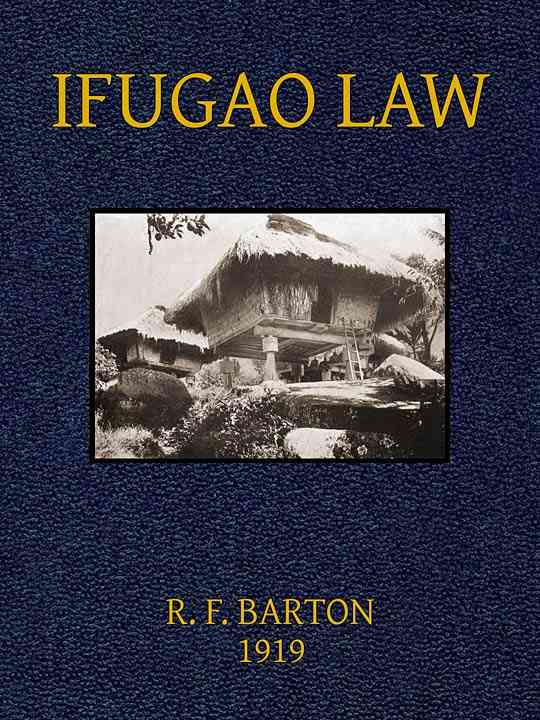
Ifugao Law / (In American Archaeology and Ethnology, Vol. 15, No. 1) cover

Ifugao Law / (In American Archaeology and Ethnology, Vol. 15, No. 1)

Chapter 50: Arson
Open in WeRead

Explore more books like this:

About This Book

The study describes a customary legal system governed by communal norms, taboos, and religious practice, explaining how law is learned, applied, and enforced. It outlines family law including marriage forms, bridewealth, adoption, divorce, and inheritance rules. Property arrangements are examined with attention to rice terraces, forest lands, heirlooms, and tenure systems. Penal provisions and sanctions are detailed, from fines and capital punishment to penalties for sorcery, homicide, theft, and sexual offenses. Procedures for resolving disputes are analyzed, including intermediaries, testimony practices, ordeals, and collective enforcement such as seizure, retaliation, and truce-making. The work links legal customs to ritual peace-making and discusses effects of social change on customary authority.

Arson

114. Fines assessed for goba or arson.—One caught in the act of setting fire to a house or granary would be likely to be killed on the spot. Should he consummate the act and escape, demand would probably be made upon him and his kin for two granaries full of rice and for the animals necessary to consecrate them by the usual feasts. This would be the probable punishment. The crime of arson is rare, and consequently there is no penalty or restitution well defined by law. The punishment might be death, or the kidnapping and selling into slavery of a member of the culprit’s family, or a fine as above. Which of these it would be would depend very much on the personality of the injured party.