
Illustrated Catalogue of the Collections Obtained from the Pueblos of Zuñi, New Mexico, and Wolpi, Arizona, in 1881 / Third Annual Report of the Bureau of Ethnology to the Secretary of the Smithsonian Institution, 1881-82, Government Printing Office, Washington, 1884, pages 511-594
Explore more books like this:
About This Book
The catalogue provides a detailed, illustrated inventory of archaeological and ethnological specimens obtained from Zuni and Wolpi pueblos during the 1881 field season. It organizes nearly five thousand items by material and function—stone tools, hunting and war amulets, clay vessels (water jars, canteens, pitchers, cooking pots), basketry, vegetal and animal implements, textiles, and ceremonial regalia—and supplies descriptions, local names, and usage notes. Plates depict manufacturing and ritual practices such as pottery polishing, drilling, hair dressing, and spinning. Introductory remarks outline collection methods and transcription conventions, and an index and explanatory notes accompany the descriptive entries.
About the Author

More Books by This Author
 Ceremonial of Hasjelti Dailjis and Mythical Sand Painting of the Navajo Indians
by James Stevenson
Ceremonial of Hasjelti Dailjis and Mythical Sand Painting of the Navajo Indians
by James Stevenson
 Illustrated Catalogue of the Collections Obtained from the Indians of New Mexico And Arizona in 1879 / Second Annual Report of the Bureau of Ethnology to the Secretary of the Smithsonian Institution, 1880-81, Government Printing Office, Washington, 1883, pages 307-428
by James Stevenson
Illustrated Catalogue of the Collections Obtained from the Indians of New Mexico And Arizona in 1879 / Second Annual Report of the Bureau of Ethnology to the Secretary of the Smithsonian Institution, 1880-81, Government Printing Office, Washington, 1883, pages 307-428
by James Stevenson
 Illustrated Catalogue of the Collections Obtained from the Indians of New Mexico in 1880 / Second Annual Report of the Bureau of Ethnology to the Secretary of the Smithsonian Institution, 1880-81, Government Printing Office, Washington, 1883, pages 429-466
by James Stevenson
Illustrated Catalogue of the Collections Obtained from the Indians of New Mexico in 1880 / Second Annual Report of the Bureau of Ethnology to the Secretary of the Smithsonian Institution, 1880-81, Government Printing Office, Washington, 1883, pages 429-466
by James Stevenson
You May Also Like
 "Five-Head" Creek; and Fish Drugging in the Pacific / 1901
by Louis Becke
"Five-Head" Creek; and Fish Drugging in the Pacific / 1901
by Louis Becke
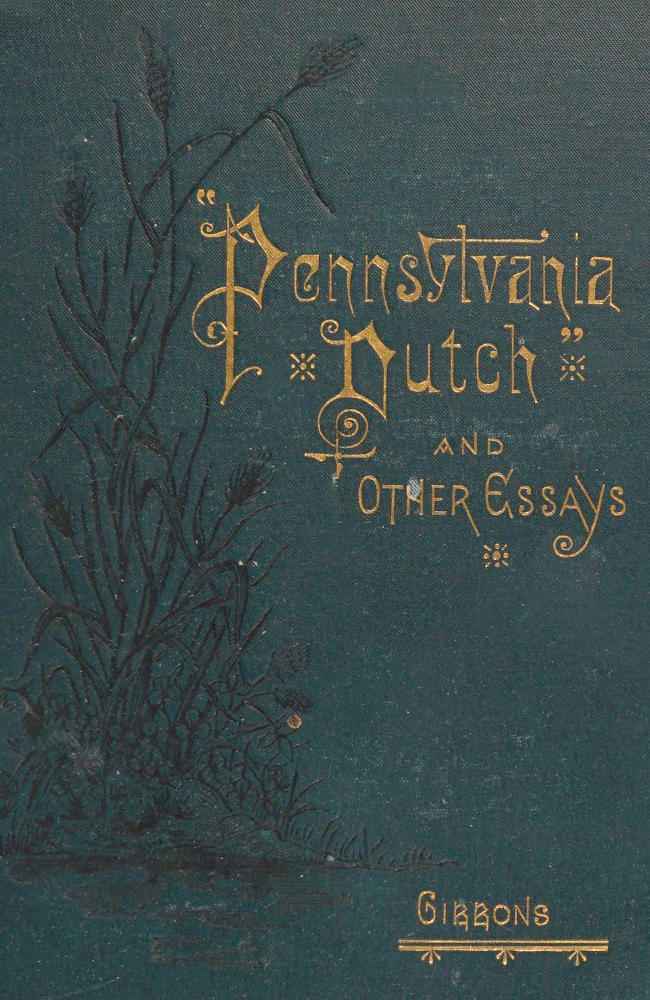 "Pennsylvania Dutch," and other essays
by Phebe Earle Gibbons
"Pennsylvania Dutch," and other essays
by Phebe Earle Gibbons
 "Sterminator Vesevo" (Vesuvius the great exterminator) / Diary of the Eruption of April 1906
by Matilde Serao
"Sterminator Vesevo" (Vesuvius the great exterminator) / Diary of the Eruption of April 1906
by Matilde Serao
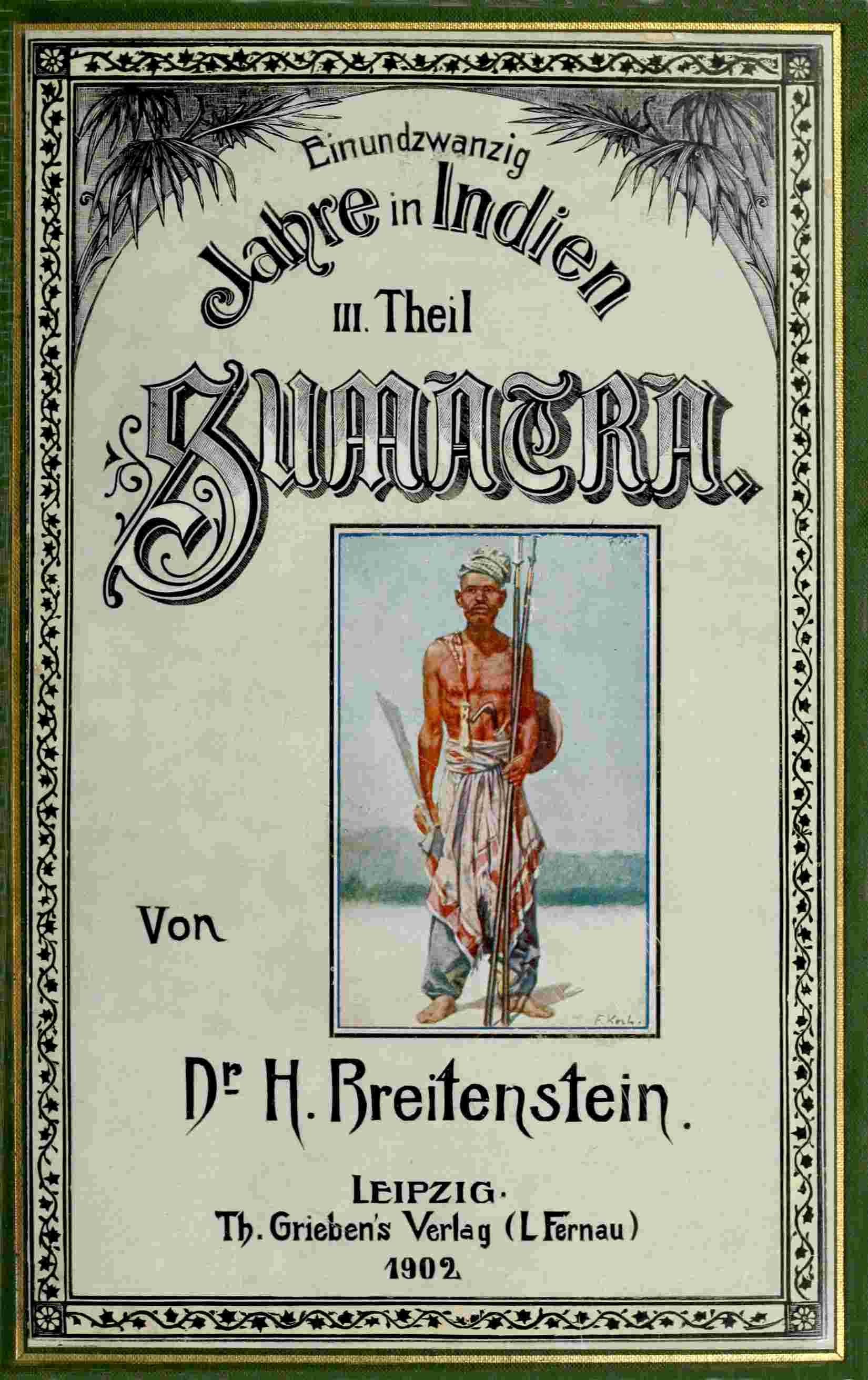 21 Jahre in Indien. Dritter Theil: Sumatra.
by Heinrich Breitenstein
21 Jahre in Indien. Dritter Theil: Sumatra.
by Heinrich Breitenstein
 21 Jahre in Indien. Erster Theil: Borneo.
by Heinrich Breitenstein
21 Jahre in Indien. Erster Theil: Borneo.
by Heinrich Breitenstein
 A Bakony (1. kötet)
by Károly Eötvös
A Bakony (1. kötet)
by Károly Eötvös