
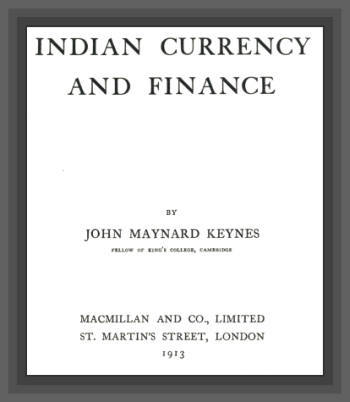
About This Book
An analytical study of Indian monetary arrangements from the late nineteenth to early twentieth century, examining the rupee's shift away from silver, implications of a gold-exchange standard, and the role of paper currency. It assesses administrative practices that have stabilized the rupee's gold value, debates proposals for a gold coinage, and evaluates instruments such as council bills, remittances, government reserves, and banking operations. The work considers effects on trade, prices, and public finance, discusses proposals to secure convertibility for foreign payments, and analyses discount rates and banking structure to recommend policy adjustments for currency stability and efficient financial administration.
About the Author

More Books by This Author
3 picks

You May Also Like
6 picks
 A Brief History of Panics and Their Periodical Occurrence in the United States
by Clément Juglar
A Brief History of Panics and Their Periodical Occurrence in the United States
by Clément Juglar
 A Contribution to the Critique of Political Economy
by Karl Marx
A Contribution to the Critique of Political Economy
by Karl Marx
 A Critical Examination of Socialism
by W. H. Mallock
A Critical Examination of Socialism
by W. H. Mallock
 A Discourse on Trade, and Other Matters Relative to it
by John Cary
A Discourse on Trade, and Other Matters Relative to it
by John Cary
 A dissolução do regimen capitalista
by Teixeira Bastos
A dissolução do regimen capitalista
by Teixeira Bastos
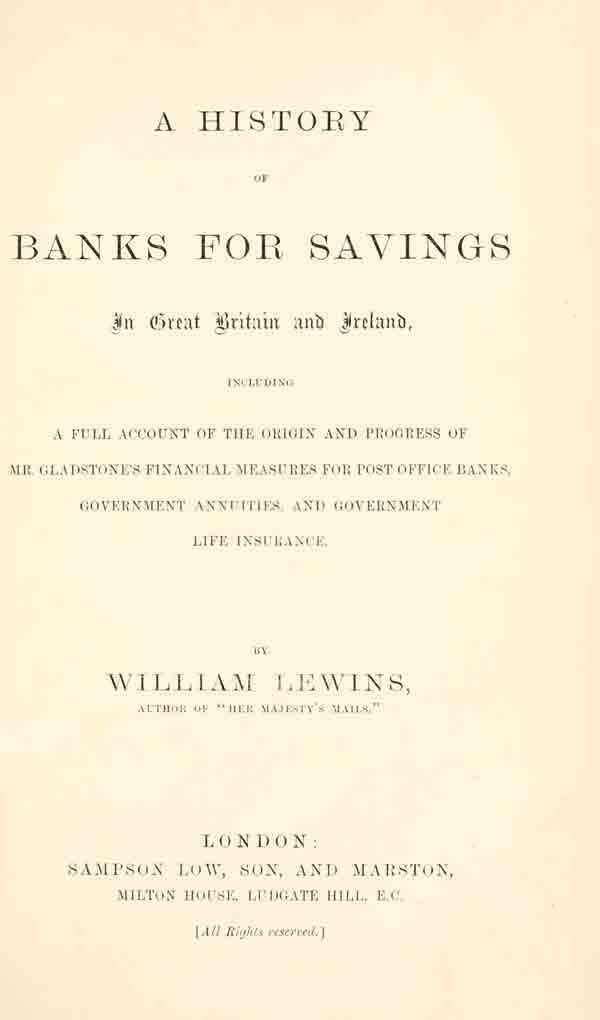 A History of Banks for Savings in Great Britain and Ireland
by William Lewins
A History of Banks for Savings in Great Britain and Ireland
by William Lewins