
PREFACE
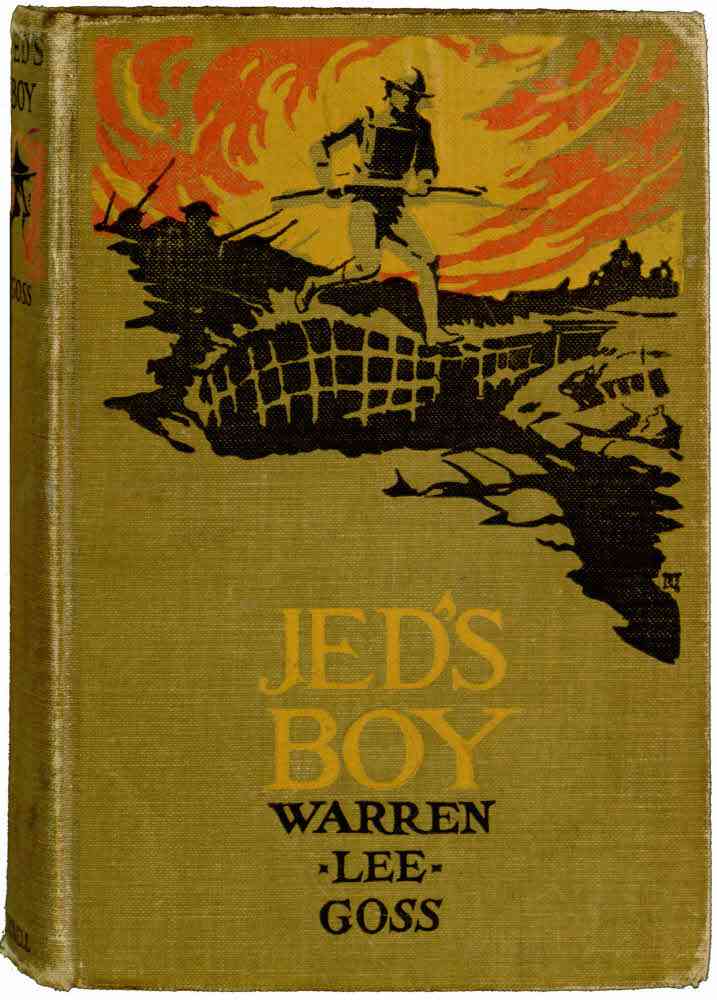
During the progress of the Great War, the writer has been often requested by his boy friends and others, both by letter and verbally, to write a book like “Jed” (“A Boy’s Adventures in the Army, ’61-’65”) depicting the scenes of this later war. Some of them have even suggested that he recreate some of the characters therein. To do this, of course, was a logical impossibility, since those not killed in that story would be too old for military service. Prompted, however, by that demand, he has taken a nephew of Jed as the hero of this story. Incited by his mother’s patriotism, and her recital of her brother Jed’s heroism, he enlists and serves his country on the battlefields of France.
The author’s main purpose in writing this book, as with his other books, is to stimulate a true spirit of Americanism. Patriotism thrives best where it is best nourished, and is not a plant of accidental growth. The Posts of the Grand Army of the Republic through their exercises on Memorial and other patriotic days, and their teachings of patriotism in the public schools, have been springs of liberty flowing throughout the land nourishing a love of country in our youth. That all this has borne fruit is shown by the spirit in which the boys of to-day have sprung to the defence of human liberty in the great conflict of their own time.
We have been privileged to see the last shreds of hatred left over from our Civil War burned away in a fervor of patriotism, that has sent the sons of the Gray shoulder to shoulder with the sons of the Blue to the defence of liberty on the fields of France and Belgium.
If the writer has made clear that the young manhood of America has the same spirit to-day as had their fathers, in our great conflict of the sixties, and as had the Nathan Hales of the Revolution, he will have satisfied his own aspirations.
W. L. G.