
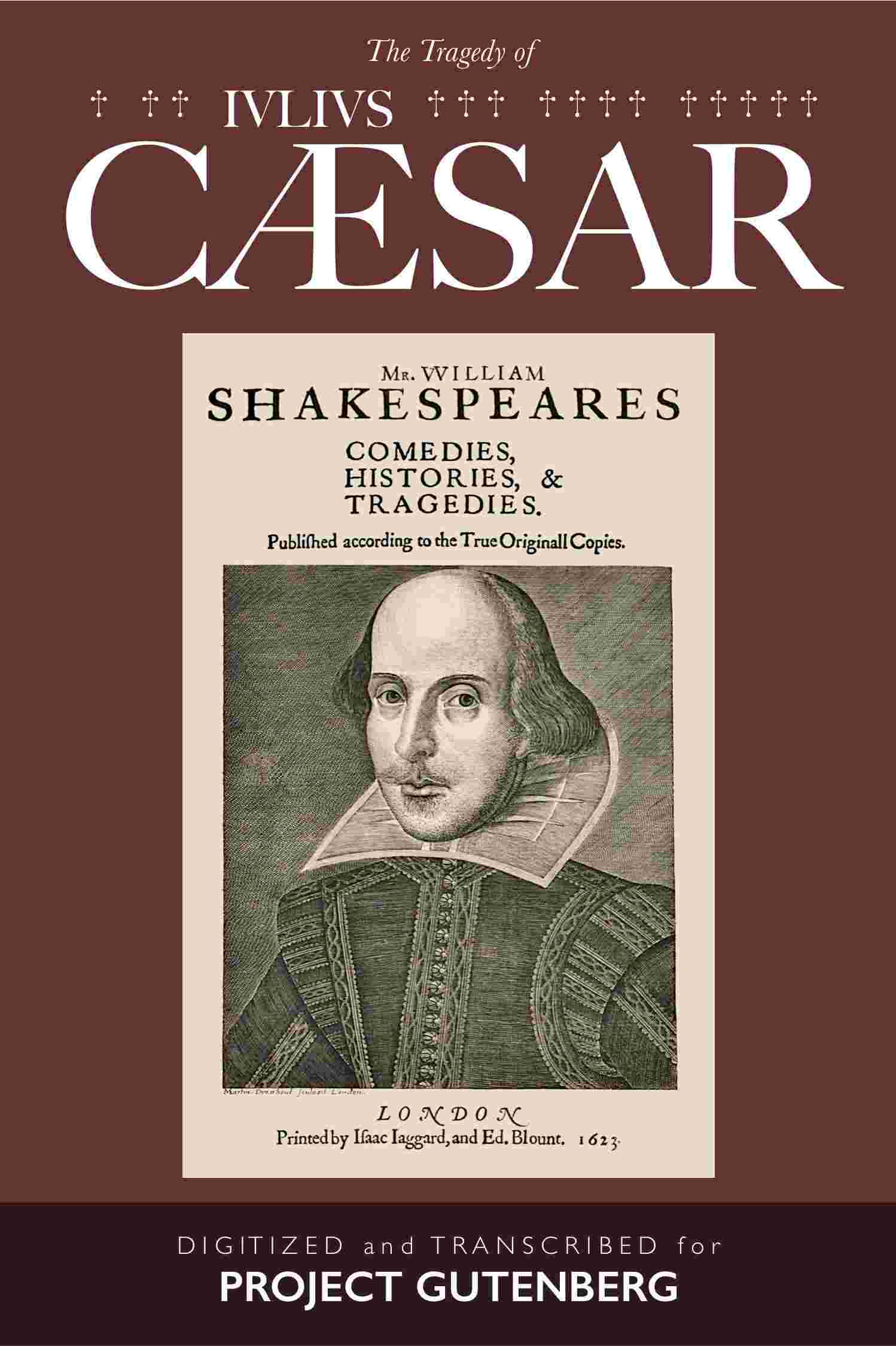
The Project Gutenberg eBook of Julius Caesar
This ebook is for the use of anyone anywhere in the United States and
most other parts of the world at no cost and with almost no restrictions
whatsoever. You may copy it, give it away or re-use it under the terms
of the Project Gutenberg License included with this ebook or online
at www.gutenberg.org. If you are not located in the United States,
you will have to check the laws of the country where you are located
before using this eBook.
Title: Julius Caesar
Author: William Shakespeare
Release date: November 1, 1998 [eBook #1522]
Most recently updated: September 19, 2025
Language: English
Credits: the PG Shakespeare Team, a team of about twenty Project Gutenberg volunteers
*** START OF THE PROJECT GUTENBERG EBOOK JULIUS CAESAR ***